
Spinal Cord Injury Rehabilitation: San Diego Treatment Guide
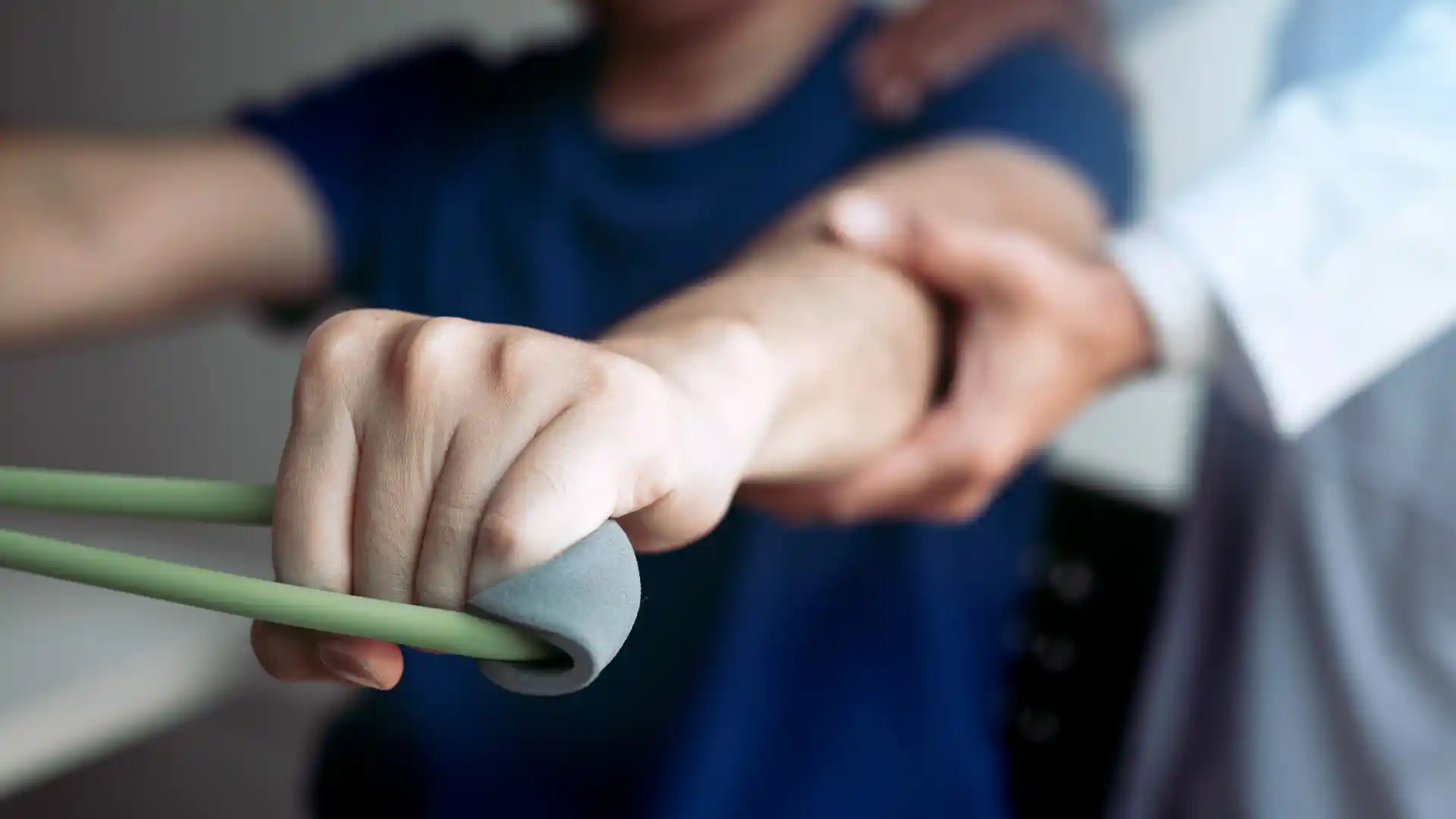
A spinal cord injury changes everything in an instant. If you or someone you love is beginning the long road to recovery, understanding your San Diego spinal cord injury rehabilitation options can make the difference between a life defined by limitations and one filled with possibility. Rehabilitation is the cornerstone of recovery after a spinal cord injury, and San Diego is home to some of the most respected programs in the state. This guide covers the types of rehabilitation available, what to expect from each phase of treatment, the costs involved, and how California law protects your right to recover those costs from the party responsible for your injury.
Every spinal cord injury is different. The type of spinal cord injury you sustained, whether complete or incomplete, the level of the injury along the spine, your overall health, and how quickly treatment began all influence what rehabilitation will look like for you. What remains constant is this: early, aggressive rehabilitation gives you the best chance at maximizing function and independence.
Understanding the Phases of Spinal Cord Injury Rehabilitation
Rehabilitation after a spinal cord injury is not a single event. It is a continuum of care that begins in the hospital and continues, in many cases, for years. Understanding each phase helps patients and families prepare for the journey ahead and advocate for the level of care they need.
Acute Medical Stabilization
The first phase of recovery focuses on stabilizing the injury and preventing further damage. This typically occurs in a hospital intensive care unit or trauma center, where surgeons may perform emergency procedures to decompress the spinal cord, stabilize the vertebral column with rods and screws, or address associated injuries. San Diego County has three adult Level I trauma centers equipped to handle acute spinal cord injuries: UC San Diego Medical Center in Hillcrest, Scripps Mercy Hospital, and Scripps Memorial Hospital La Jolla, along with Level II trauma centers at Sharp Memorial Hospital and Palomar Medical Center.
During this phase, the medical team also manages secondary complications such as blood pressure instability, respiratory failure (common in cervical injuries), deep vein thrombosis, and pressure injuries. Rehabilitation professionals, including physical and occupational therapists, often begin bedside interventions even while the patient is still in the ICU.
Inpatient Rehabilitation
Once medically stable, most spinal cord injury patients transfer to an inpatient rehabilitation facility for intensive, structured therapy. Inpatient rehab programs typically involve three or more hours of therapy per day, five to seven days a week. The duration of inpatient rehab varies but generally ranges from two to twelve weeks depending on the severity of the injury. For patients with complete injuries or high-level tetraplegia, inpatient stays often extend toward the longer end of that range.
In San Diego, Sharp Rehabilitation Center operates a CARF-accredited spinal cord injury program that provides comprehensive inpatient rehabilitation. Their multidisciplinary team includes physiatrists (rehabilitation physicians), physical therapists, occupational therapists, speech-language pathologists, rehabilitation nurses, psychologists, and recreational therapists. The VA San Diego Healthcare System also maintains a nationally recognized SCI rehabilitation program for veterans.
Outpatient and Community-Based Rehabilitation
After discharge from inpatient rehab, patients transition to outpatient therapy, which continues to build strength, mobility, and independence. Outpatient programs in San Diego include hospital-based and private clinic therapy as well as home-based rehabilitation programs. The steps you take after a spinal cord injury in these early months set the foundation for long-term outcomes.
Community-based rehabilitation extends beyond traditional therapy. It includes adaptive sports programs, peer mentoring, vocational rehabilitation, and independent living skills training. San Diego’s year-round mild climate and accessible outdoor spaces make it one of the more accommodating cities in California for individuals adapting to life with a spinal cord injury.
Types of Rehabilitation Therapies for Spinal Cord Injuries
A comprehensive rehabilitation program draws on multiple therapeutic disciplines, each addressing different aspects of recovery. The specific combination of therapies prescribed depends on the level and completeness of the injury, the patient’s goals, and any secondary complications.
Physical Therapy
Physical therapy is the backbone of spinal cord injury rehabilitation. Physical therapists work with patients to strengthen muscles that retain function, improve cardiovascular endurance, train in wheelchair mobility and transfers, and, for patients with incomplete injuries, retrain walking patterns. Techniques used in modern SCI physical therapy include body-weight supported treadmill training, aquatic therapy, functional electrical stimulation (FES) cycling, and manual stretching to prevent contractures and spasticity.
Occupational Therapy
Occupational therapists focus on helping patients regain the ability to perform activities of daily living: dressing, bathing, grooming, eating, and managing a household. For patients with cervical injuries affecting hand and arm function, occupational therapy includes fine motor retraining, adaptive equipment fitting (such as universal cuffs and built-up utensils), and home modification recommendations. Occupational therapists also address upper extremity strengthening and wheelchair positioning to prevent repetitive strain injuries.
Respiratory Therapy
Cervical and upper thoracic spinal cord injuries frequently impair respiratory function. Patients with injuries at C3 or above may require mechanical ventilation. Those with injuries between C3 and C5 often have weakened diaphragm function, while mid-thoracic injuries can compromise the intercostal and abdominal muscles needed for effective coughing. Respiratory therapists provide ventilator weaning programs, breathing exercises to increase lung capacity, assisted cough techniques, and education on preventing pneumonia, one of the leading causes of death after spinal cord injury.
Psychological and Emotional Support
The psychological impact of a spinal cord injury is profound. Depression, anxiety, post-traumatic stress, grief, and adjustment disorders are common in the months and years following injury. Rehabilitation programs that integrate psychologists, licensed clinical social workers, and peer counselors produce better outcomes than those focused solely on physical recovery. Group therapy, individual counseling, and family therapy all play important roles. Many San Diego rehabilitation facilities also connect patients with community organizations like the San Diego chapter of the United Spinal Association for ongoing peer support.
Recreational Therapy
Recreational therapists help patients rediscover leisure activities and social participation, which are critical to quality of life and mental health. In San Diego, adaptive recreation opportunities include wheelchair surfing through organizations like AccesSurf and adaptive sailing through the Challenged Athletes Foundation. These programs help patients rebuild confidence and social connections while maintaining physical fitness.
Spinal Cord Injury Rehabilitation Centers in San Diego
San Diego offers several respected rehabilitation programs for spinal cord injury patients. Choosing the right facility depends on the level of care needed, insurance coverage, veteran status, and personal rehabilitation goals.
Sharp Rehabilitation Center at Sharp Memorial Hospital is CARF-accredited for its spinal cord injury program and provides both inpatient and outpatient services. Their SCI unit includes specialized nursing care, a full therapy gym, an activities of daily living suite, and a therapeutic pool. Sharp’s program is one of the most established SCI rehabilitation programs in the San Diego region.
UC San Diego Health provides spinal cord injury care through its neurosciences department and is actively involved in cutting-edge SCI research, including clinical trials on electrical stimulation and regenerative therapies. Patients benefit from the integration of academic medicine with clinical rehabilitation.
VA San Diego Healthcare System operates a CARF-accredited SCI/D (Spinal Cord Injuries and Disorders) program that serves veterans. The VA’s SCI system of care is one of the largest and most comprehensive in the country, providing lifetime follow-up care for veterans with spinal cord injuries.
How Long Does Spinal Cord Injury Rehabilitation Take?
There is no single timeline for spinal cord injury rehabilitation. The duration depends heavily on the causes and severity of the spinal cord injury, the patient’s age, pre-injury health, and the goals of treatment.
As a general framework, patients with incomplete injuries who retain some motor function below the level of injury tend to make the most neurological recovery in the first six to twelve months, with continued but slower gains possible for up to two years or longer. Patients with complete injuries focus rehabilitation on maximizing function with the abilities they have, building upper body strength, mastering wheelchair skills, and developing compensatory strategies for daily tasks.
Inpatient rehabilitation typically lasts two to twelve weeks. Outpatient therapy may continue for six months to two years. Many patients benefit from periodic “tune-up” rehabilitation programs throughout their lives as new complications arise, equipment needs change, or new therapies become available.
The Cost of Spinal Cord Injury Rehabilitation
The financial burden of spinal cord injury rehabilitation is staggering. According to the National Spinal Cord Injury Statistical Center’s 2025 data sheet (in 2024 dollars), first-year costs for a patient with high tetraplegia (C1-C4) average about $1.41 million. For paraplegia, first-year costs average approximately $687,000. Annual costs in subsequent years range from roughly $56,000 to $245,000 depending on injury severity. Over a lifetime, the estimated cost of care for a 25-year-old with high tetraplegia exceeds $6.2 million. These figures include hospitalization, rehabilitation, medications, assistive devices, home and vehicle modifications, personal care attendants, and ongoing medical management. For a comprehensive overview of these expenses, see our guide to the long-term costs of living with a spinal cord injury.
Health insurance, including Medicare and Medi-Cal (California’s Medicaid program), covers some rehabilitation costs, but coverage limits often fall far short of what is medically necessary. Many insurance plans cap inpatient rehabilitation days, limit the number of outpatient therapy visits per year, or exclude certain therapies altogether. This gap between what insurance covers and what patients actually need makes pursuing a legal claim against the responsible party critically important for many SCI survivors.
Recovering Rehabilitation Costs Through a California Legal Claim
When a spinal cord injury is caused by someone else’s negligence, whether through a vehicle collision, a fall on unsafe property, a construction site accident, or a defective product, California law allows the injured person to recover the full cost of past and future medical care, including rehabilitation. This is true even when another defendant, like an employer’s workers’ compensation insurer, has already paid some benefits. The key is proving that the at-fault party was liable for the injury through negligence, recklessness, or strict liability.
California Civil Code Section 3333 provides that damages in a personal injury action include all detriment proximately caused by the defendant’s wrongful act. For spinal cord injury cases, this encompasses past medical bills, future medical expenses (often projected through a life care plan prepared by a qualified expert), lost earnings and earning capacity, pain and suffering, emotional distress, and loss of enjoyment of life.
Future rehabilitation costs are a particularly important component of SCI cases because the need for therapy does not end after the initial recovery period. A San Diego spine injury lawyer experienced in catastrophic injury cases will work with life care planners, physiatrists, and economists to calculate the true cost of the rehabilitation and medical care you will need for the rest of your life. These expert projections are critical because juries and insurance adjusters often underestimate the long-term financial impact of a spinal cord injury. Understanding what affects spinal cord injury settlement values can help you evaluate whether a settlement offer reflects the true cost of your care.
California’s two-year statute of limitations (Code of Civil Procedure Section 335.1) means that you must file a personal injury lawsuit within two years of the date of injury. For claims against government entities, such as a city responsible for a dangerous roadway, the deadline to file an administrative claim is just six months. Missing these deadlines can bar you from recovering any compensation for your rehabilitation costs.
Emerging Therapies and Technologies in SCI Rehabilitation
The field of spinal cord injury rehabilitation is advancing rapidly, and several emerging therapies are showing particular promise for patients in San Diego and across California.
Epidural Electrical Stimulation
Research teams at institutions including UCLA and UCSD are testing epidural stimulators that deliver electrical pulses to the spinal cord below the level of injury. In clinical trials, some patients with motor-complete injuries have regained the ability to stand and take steps with stimulation active. While still considered experimental, this technology represents one of the most significant breakthroughs in SCI treatment in decades.
Robotic-Assisted Rehabilitation
Robotic exoskeletons like the EksoNR and the Lokomat allow patients to practice walking patterns with mechanical assistance, providing high-repetition gait training that would be impossible with manual therapy alone. Several San Diego rehabilitation facilities now incorporate robotic-assisted therapy into their SCI programs, and research suggests that robotic training combined with conventional therapy produces greater functional gains than conventional therapy alone.
Stem Cell and Regenerative Therapies
Clinical trials in California are investigating stem cell transplantation, growth factor delivery, and other regenerative approaches to repair damaged spinal cord tissue. While no regenerative therapy has yet achieved full FDA approval for spinal cord injury, several are in late-stage clinical trials. Patients considering experimental treatments should discuss options with their rehabilitation team and understand both the potential benefits and risks.
Activity-Based Rehabilitation
Activity-based rehabilitation (ABR) focuses on activating the nervous system below the level of injury through task-specific, repetitive training. Unlike compensatory approaches that work around deficits, ABR aims to retrain the nervous system itself. Several San Diego facilities offer this approach. Patients who have experienced paralysis after an accident may benefit from ABR even years after injury, as research has shown that the spinal cord retains more plasticity than previously believed.
Related Resources
For more information on spinal cord injuries, treatment, and your legal rights, explore these related articles from Hulburt Law Firm:
- Compensation Available for Spinal Cord Injury Victims in San Diego
- Herniated Disc and Back Injury Claims in San Diego
Get Help With Your Spinal Cord Injury Case
If you or a loved one is facing the physical, emotional, and financial challenges of spinal cord injury rehabilitation, you do not have to navigate this alone. The costs of comprehensive rehabilitation can reach millions of dollars over a lifetime, and the insurance company representing the at-fault party is not looking out for your interests. Attorney Conor Hulburt and the team at Hulburt Law Firm represent spinal cord injury victims and their families throughout San Diego County. We understand the medical complexity of these cases, we work with the rehabilitation experts who can document your future needs, and we fight to recover every dollar you are owed. Contact us today for a free, confidential consultation to discuss your case and learn how we can help.
Request a Free Case Review
Simply fill out the form or call 619.821.0500 to receive a free case review. We’ll evaluate what happened, your injuries, and potential defendants to determine how we can best help you.

Hulburt Law Firm handles serious personal injury and wrongful death cases throughout San Diego County.


