
Types of Spinal Cord Injuries: Complete vs. Incomplete
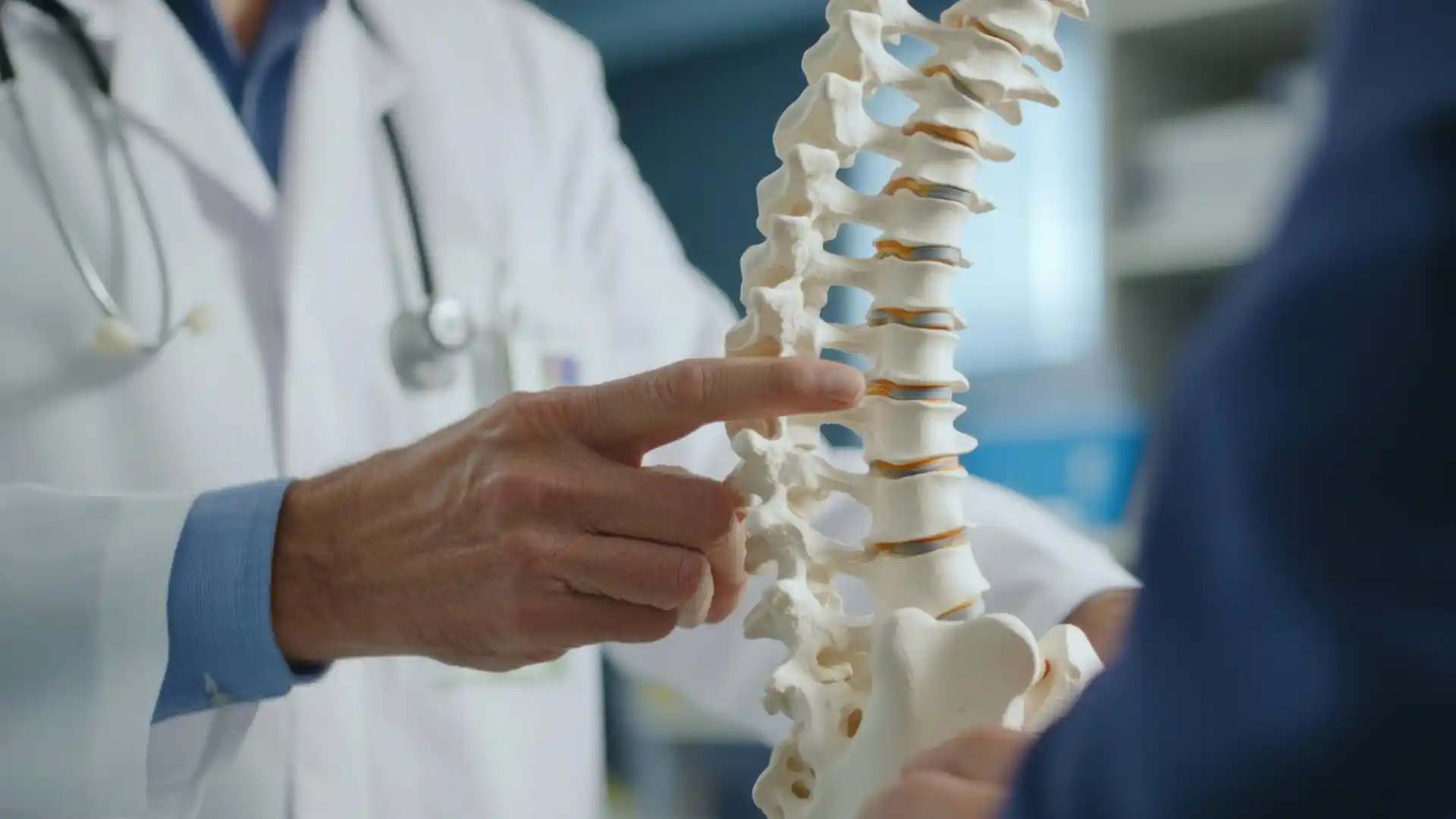
A spinal cord injury can change everything in an instant. If you or someone you love has been hurt in an accident, understanding the types of spinal cord injuries is one of the first steps toward making informed decisions about medical treatment, rehabilitation, and your legal rights. The distinction between complete and incomplete spinal cord injuries affects every aspect of recovery, from the level of function you may regain to the lifetime cost of care you will need.
For San Diego spine injury victims, getting accurate medical diagnosis and classification is critical. It shapes your treatment plan, your prognosis, and the value of any legal claim you may pursue. This guide explains the major categories of spinal cord injuries, how doctors classify them, what each diagnosis means for your future, and what steps you can take to protect yourself.
The Spinal Cord and Why It Matters
The spinal cord is a bundle of nerves roughly 18 inches long that runs from the base of your brain through a protective canal of vertebrae in your spine. It serves as the body’s primary communication highway, relaying signals between your brain and every other part of your body. When the spinal cord is damaged, those signals are disrupted or completely severed, leading to loss of movement, sensation, or both below the level of injury.
The spinal cord is divided into four regions, each controlling different functions:
Cervical (C1–C8): The neck region. Injuries here are the most severe because they affect everything from the neck down, including the arms, trunk, and legs. High cervical injuries (C1–C4) can impair breathing and require ventilator support.
Thoracic (T1–T12): The upper and mid-back. Injuries to the thoracic spine typically affect the trunk and legs while leaving arm function intact. These injuries most commonly result in paraplegia.
Lumbar (L1–L5): The lower back. Lumbar injuries affect the hips and legs and can impair bladder and bowel control.
Sacral (S1–S5): The base of the spine. Sacral injuries affect the hips, backs of the thighs, and pelvic organs, including sexual function and bladder control.
The level at which the injury occurs determines which body functions are affected. As a general rule, the higher the injury on the spinal cord, the more function is lost.
Complete Spinal Cord Injuries
A complete spinal cord injury means there is a total loss of sensory and motor function below the level of injury, resulting in paralysis at and below the affected level. The brain can no longer send signals past the damaged area, and no signals from below the injury can reach the brain. The spinal cord does not need to be physically severed for an injury to be classified as complete. Severe compression, contusion, or loss of blood flow can cause the same functional result.
What Does a Complete Injury Look Like?
A person with a complete spinal cord injury at the thoracic level, for example, would have no ability to feel touch, temperature, or pain in their legs and lower trunk. They would have no voluntary movement in those areas. Bladder and bowel function would also be affected, typically requiring catheterization and a bowel management program.
Complete cervical injuries are the most devastating. An injury at C4 or above can eliminate the ability to breathe independently, requiring lifetime ventilator support. Complete injuries at C5 or C6 may preserve some arm and wrist movement but eliminate hand function and all function below the chest.
Common Causes in San Diego
Nationally, vehicle crashes are the leading cause of traumatic spinal cord injuries, accounting for about 37% of cases, followed by falls at about 32%, according to the National Spinal Cord Injury Statistical Center’s 2025 data sheet. In San Diego, the combination of heavy freeway traffic on Interstate 5, Interstate 8, and Interstate 15 with year-round cycling and pedestrian activity creates significant risk. Motorcycle accidents on coastal roads and high-speed collisions on the 805 are among the scenarios our firm sees most frequently.
Prognosis and Recovery
Complete spinal cord injuries have traditionally been considered permanent, meaning the function lost at the time of injury is unlikely to return. However, medical science is advancing. Research at institutions like UC San Diego Health and the Reeve Foundation is exploring electrical stimulation and regenerative therapies that have shown early promise. That said, the reality today is that most people with complete injuries will require lifelong assistive care and adaptive equipment.
Incomplete Spinal Cord Injuries
An incomplete spinal cord injury means the spinal cord retains some ability to transmit signals past the injured area. The person may have partial movement, some sensation, or both below the injury level. Incomplete injuries account for roughly two-thirds of all traumatic spinal cord injuries, according to the National Spinal Cord Injury Statistical Center, and they vary enormously in severity.
The key distinction is that with an incomplete injury, the neural pathways through the spinal cord are damaged but not entirely destroyed. This preserved communication means there is often greater potential for recovery, especially with aggressive rehabilitation.
Types of Incomplete Spinal Cord Injuries
Doctors recognize several specific syndromes based on which portion of the spinal cord is damaged. Each syndrome produces a different pattern of preserved and lost function:
Anterior Cord Syndrome: Damage to the front of the spinal cord, often caused by reduced blood flow or disc herniation. Motor function and pain/temperature sensation are lost below the injury, but the ability to feel pressure and body position (proprioception) may be preserved. This is one of the more severe incomplete injury patterns.
Central Cord Syndrome: The most common incomplete injury pattern, often occurring in older adults who experience a hyperextension injury (such as a fall). It affects the center of the spinal cord and typically causes greater weakness in the arms than the legs. Many people with central cord syndrome retain the ability to walk but have significant difficulty with hand dexterity and fine motor tasks.
Brown-Séquard Syndrome: Caused by damage to one side of the spinal cord, often from penetrating trauma such as a stab wound. One side of the body below the injury loses motor function and proprioception, while the opposite side loses pain and temperature sensation. This syndrome generally carries a favorable recovery prognosis.
Posterior Cord Syndrome: The rarest pattern, involving damage to the back of the spinal cord. Motor function and pain sensation may be preserved, but proprioception and coordination are significantly impaired. A person with posterior cord syndrome may be able to move their limbs but struggle to coordinate walking or fine movements without visual guidance.
Cauda Equina Syndrome: Technically an injury to the nerve roots below the end of the spinal cord (which terminates around the L1–L2 vertebral level), rather than the cord itself. It can cause leg weakness, numbness, and loss of bladder and bowel control. Because it involves peripheral nerves rather than the spinal cord, it often has a better recovery prognosis if treated promptly with surgical decompression.
How Doctors Classify Spinal Cord Injuries: The ASIA Impairment Scale
After a spinal cord injury, doctors use a standardized assessment called the American Spinal Injury Association (ASIA) Impairment Scale to classify the severity of injury. This classification is critical because it establishes a baseline, tracks recovery progress, and informs both medical treatment and legal valuation of your case.
The ASIA scale uses five grades:
AIS Grade A (Complete): No motor or sensory function is preserved below the injury level, including no function in the sacral segments (S4–S5). This is the most severe classification.
AIS Grade B (Sensory Incomplete): Sensory function is preserved below the injury, including the sacral segments, but there is no motor function. The person can feel but cannot move.
AIS Grade C (Motor Incomplete): Motor function is preserved below the injury, but more than half of the key muscles have a strength grade below 3 (they cannot move against gravity).
AIS Grade D (Motor Incomplete): Motor function is preserved below the injury, and at least half of the key muscles have a strength grade of 3 or higher (they can move against gravity). This is the mildest of the “injured” grades.
AIS Grade E (Normal): Sensory and motor function are normal on examination. A person may still have neurological abnormalities but has regained full function.
It is important to know that initial ASIA classifications can change, particularly in the first weeks after injury when swelling subsides. An injury that initially appears complete (Grade A) may be reclassified as incomplete once the inflammation resolves. This is one reason why early, thorough medical evaluation is so important.
Why the Distinction Between Complete and Incomplete Injuries Matters for Your Legal Case
If your spinal cord injury was caused by someone else’s negligence, the classification of your injury directly affects the value of your legal claim. A San Diego spinal cord injury attorney will work with your medical team to document the severity of your injury and project your lifetime care needs.
Complete Injuries Typically Result in Higher Damages
Complete spinal cord injuries generally result in the highest damage awards because the losses are permanent and the care needs are extensive. A person with a complete cervical injury may need round-the-clock attendant care, home modifications, a wheelchair-accessible vehicle, lifetime medical equipment, and ongoing treatment for secondary conditions such as pressure sores, urinary tract infections, and respiratory complications. The long-term costs of living with a spinal cord injury can exceed several million dollars over a lifetime.
Incomplete Injuries Require Careful Valuation
Incomplete injuries present a more complex valuation challenge. Because recovery potential varies so widely, your attorney and medical experts must carefully project where you are likely to end up on the recovery spectrum. An AIS Grade D injury with a strong rehabilitation trajectory will be valued differently than an AIS Grade B injury with minimal improvement. Future medical costs, lost earning capacity, and pain and suffering must all account for the realistic long-term prognosis.
Damages You May Recover
Under California law, a person injured by another’s negligence can pursue compensation for past and future medical expenses, lost wages and diminished earning capacity, pain and suffering, loss of enjoyment of life, home modification and assistive equipment costs, and the emotional distress of adapting to life with a disability. California does not cap non-economic damages in most personal injury cases, which means there is no artificial ceiling on compensation for pain and suffering. The compensation available to spinal cord injury victims depends on the specific facts of your case.
California’s Statute of Limitations for Spinal Cord Injury Claims
California Code of Civil Procedure § 335.1 gives you two years from the date of your injury to file a personal injury lawsuit. If you were injured by a government entity (for example, a dangerous road condition maintained by the City of San Diego or Caltrans), you must file an administrative claim within six months under the California Government Claims Act (Government Code § 911.2).
These deadlines apply regardless of whether your injury is classified as complete or incomplete. Missing them can permanently bar your right to pursue compensation. Given the complexity of spinal cord injury cases, it is important to consult an attorney as early as possible to preserve evidence and begin building your claim. Understanding the steps to take after a spinal cord injury can help protect your rights from the start.
Common Causes of Spinal Cord Injuries and How Liability Is Established
Spinal cord injuries can result from many types of accidents. The cause of the injury determines who may be liable and what legal theories apply:
Motor vehicle accidents are the most common cause, including car crashes, truck collisions, motorcycle wrecks, and pedestrian impacts. California is a “fault” state, meaning the negligent driver is financially responsible for the injuries they cause.
Falls are the second leading cause of spinal cord injuries. In legal terms, falls on someone else’s property may give rise to a premises liability claim. Property owners in California have a duty to maintain reasonably safe conditions, and failure to do so can result in liability for injuries sustained on their property.
Acts of violence, including assaults and gunshot wounds, account for approximately 15% of spinal cord injuries. In addition to criminal prosecution, victims may pursue civil claims for damages. Premises liability claims may also apply if the assault occurred on a property with inadequate security.
Sports and recreation accidents account for roughly 8% of cases. Diving into shallow water, contact sports, and off-road vehicle accidents are common scenarios. Liability may extend to property owners, event organizers, or equipment manufacturers depending on the circumstances.
Workplace accidents involving falls from height, being struck by objects, or vehicle incidents can cause spinal cord injuries, with construction sites posing some of the highest risks. Workers’ compensation provides baseline benefits, but a third-party personal injury claim may be available if someone other than your employer caused the accident.
In every case, proving liability in spinal cord injury cases requires demonstrating that another party owed you a duty of care, breached that duty, and that the breach caused your injury.
Living with a Spinal Cord Injury in San Diego
San Diego has a strong network of medical and rehabilitation resources for people with spinal cord injuries. UC San Diego Health’s Department of Orthopedic Surgery is a regional leader in spine care, and Scripps Health and Sharp Rehabilitation Center offer comprehensive inpatient and outpatient rehabilitation programs. The Spinal Injuries Center at the VA San Diego Healthcare System serves veterans with spinal cord injuries.
Local nonprofit organizations such as the San Diego chapter of United Spinal Association provide peer support, advocacy, and resources for people navigating life after a spinal cord injury. Access to these resources can make a meaningful difference in quality of life and long-term outcomes.
The financial reality of spinal cord injury cannot be overstated. According to the National Spinal Cord Injury Statistical Center’s 2025 data sheet (in 2024 dollars), the first-year cost of care for a person with high tetraplegia (C1–C4) averages about $1.41 million. Even for the least severe motor-functional injuries (AIS Grade D), first-year costs average about $460,000. Annual costs for subsequent years range from roughly $56,000 to $245,000 depending on severity. These figures do not include lost wages or diminished quality of life. A comprehensive legal claim must account for all of these costs over the injured person’s expected lifetime.
Related Resources
If you or a loved one is dealing with a spinal cord injury, these additional resources from Hulburt Law Firm may be helpful:
- Herniated Disc and Back Injury Claims in San Diego
- Spinal Cord Injury Settlement Values: What Affects Your Case Worth
Speak with a San Diego Spinal Cord Injury Attorney
If you or a family member has suffered a spinal cord injury due to someone else’s negligence, you deserve experienced legal representation that understands both the medical and legal complexities of these devastating cases. Conor Hulburt and the team at Hulburt Law Firm focus on catastrophic injury cases in San Diego and are committed to helping injured people and their families recover the compensation they need to move forward.
Contact us today for a free, confidential consultation. There is no fee unless we recover compensation for you.
Call (619) 821-0500 or visit hulburtlaw.com to schedule your free consultation.
Request a Free Case Review
Simply fill out the form or call 619.821.0500 to receive a free case review. We’ll evaluate what happened, your injuries, and potential defendants to determine how we can best help you.

Hulburt Law Firm handles serious personal injury and wrongful death cases throughout San Diego County.


