
Proving Liability in a Spinal Cord Injury Case in San Diego
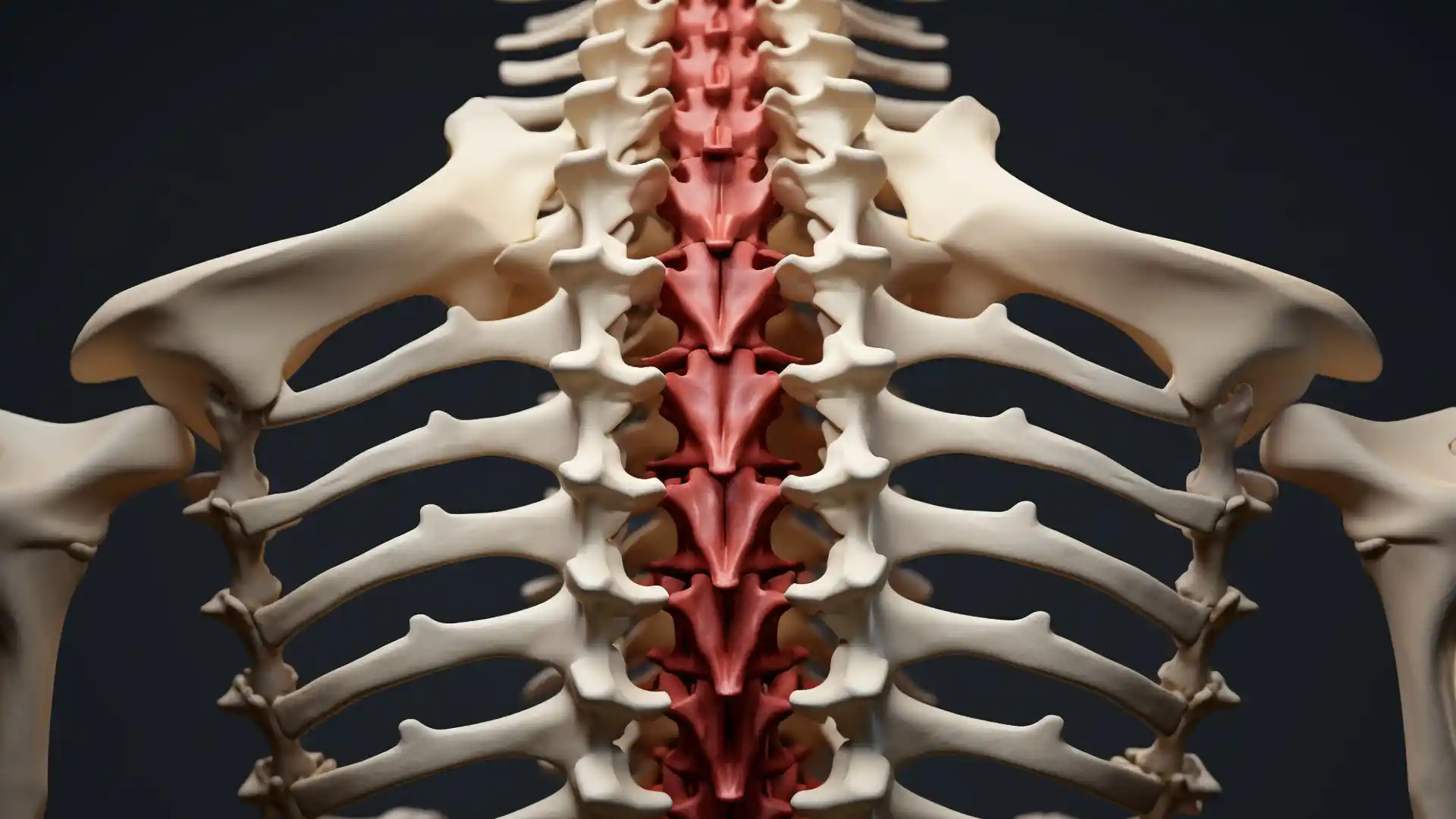
A spinal cord injury changes everything in an instant. If you or someone you love is facing the reality of paralysis, chronic pain, or permanent disability because of another person’s carelessness, you deserve to know that accountability is possible. Proving liability in a spinal cord injury case is the foundation of every successful claim, and it requires more than simply showing that an accident happened. You must demonstrate, through evidence and legal analysis, that a specific party’s negligence directly caused your catastrophic injury.
San Diego’s busy highways, construction sites, and commercial properties create conditions where devastating spine injuries occur far too often. Whether your injury resulted from a vehicle collision, a fall, or workplace hazard, understanding how liability works in California is the first step toward securing the compensation you need for recovery. As a San Diego spine injury attorney, Conor Hulburt of Hulburt Law Firm has helped catastrophically injured clients navigate this exact process.
The Four Elements of Negligence in California Spinal Cord Injury Claims
California personal injury law is built on the concept of negligence. To hold someone legally responsible for your spinal cord injury, your legal team must establish four distinct elements. If any one of these elements is missing, the claim cannot succeed. Here is what each one means in the context of a spine injury case.
Duty of Care
The first element requires showing that the defendant owed you a legal duty to act with reasonable care. California Civil Code Section 1714 establishes that every person is responsible for injuries caused by their failure to exercise ordinary care. In practice, this duty exists in nearly every situation where one person’s actions could foreseeably harm another.
Drivers owe a duty to other motorists, pedestrians, and cyclists on the road. Property owners owe a duty to keep their premises safe for visitors. Employers owe a duty to maintain a safe workplace and comply with Cal/OSHA safety standards. In most spinal cord injury cases, establishing that a duty existed is the most straightforward element because the law presumes a duty of care exists in virtually all relationships where injury is foreseeable.
Breach of Duty
Once duty is established, you must prove the defendant failed to meet the standard of care that a reasonable person would have exercised under the same circumstances. This is the breach. The question is not whether the defendant intended to cause harm, but whether their conduct fell below what society expects of a reasonably prudent person in the same situation.
Examples relevant to spinal cord injuries include a driver running a red light on El Cajon Boulevard and T-boning your vehicle, a property manager ignoring a broken stairway railing that had been reported multiple times, or a construction company failing to provide fall protection equipment required by Cal/OSHA regulations. The breach must be specific and provable through evidence, testimony, or both. General allegations of carelessness are not enough to meet this burden.
Causation
Causation is often the most contested element in spinal cord injury litigation. You must prove two separate components. First, actual cause: that the defendant’s breach was a “substantial factor” in causing your injury. This is California’s standard under CACI Jury Instruction 430, which replaced the older “but for” causation test. Second, proximate cause: that the type of harm you suffered was a reasonably foreseeable result of the defendant’s conduct.
Defense attorneys frequently challenge causation by arguing that the spinal cord injury was pre-existing or degenerative rather than caused by the accident. In San Diego, where many residents are active in sports and outdoor recreation, defendants often point to prior injuries from surfing, mountain biking, or other physical activities as alternative explanations for spinal damage. This is why thorough medical documentation and expert testimony are critical. Your medical team must be able to draw a clear line between the incident and the specific damage to your spinal cord, differentiating acute traumatic injury from pre-existing degenerative changes visible on MRI or CT imaging.
Damages
Finally, you must prove that you suffered actual, compensable harm as a result of the injury. Spinal cord injuries almost always involve significant damages, including emergency medical care, surgeries, and hospitalization; long-term rehabilitation and assistive care costs; lost wages and diminished earning capacity; pain, suffering, and emotional distress; and loss of enjoyment of life. California law allows recovery of both economic damages (medical bills, lost income) and non-economic damages (pain and suffering, loss of consortium) in spinal cord injury cases. For a deeper look at the financial recovery available, see our guide on compensation for spinal cord injury victims in San Diego.
Types of Liability Claims in Spinal Cord Injury Cases
Not all spinal cord injury cases rely on the same legal theory. The circumstances of your injury determine which type of liability applies and which parties can be held responsible. In many cases, more than one theory may apply, and an experienced attorney will pursue every available avenue to maximize recovery.
Motor Vehicle Accident Negligence
Vehicle collisions are the leading cause of spinal cord injuries nationwide, and San Diego’s congested freeways, including the I-5, I-8, and I-15 corridors, see thousands of serious crashes every year. In a motor vehicle negligence claim, liability is established by showing the other driver violated traffic laws, drove while distracted or impaired, or otherwise failed to operate their vehicle safely.
Evidence typically includes the police report, traffic camera footage, witness statements, and accident reconstruction analysis. California Vehicle Code violations such as speeding (CVC 22350), driving under the influence (CVC 23152), and failure to yield (CVC 21801) can serve as evidence of negligence per se, meaning the violation itself establishes the breach of duty without the need for additional proof of unreasonable conduct. This is a powerful legal tool in spinal cord injury cases because it simplifies one of the four elements of negligence. Vehicle collisions frequently cause vertebral fractures that can damage or compress the spinal cord, making prompt medical evaluation critical after any high-impact crash.
Premises Liability
Falls are the second most common cause of spinal cord injuries, and they are often tied to premises liability claims. When a fall occurs due to a dangerous condition on someone else’s property, the property owner or manager may be liable under California’s premises liability framework. You must show that the defendant owned, leased, or controlled the property; that a dangerous condition existed (such as a wet floor, broken railing, inadequate lighting, or uneven surface); that the defendant knew or should have known about the hazard through reasonable inspection; and that the defendant failed to repair, barricade, or warn of the condition within a reasonable time.
San Diego’s many commercial properties, apartment complexes, and public spaces all carry premises liability exposure. Slip-and-fall accidents at hotels, restaurants, and shopping centers in areas like the Gaslamp Quarter, Mission Valley, and La Jolla are common sources of spinal cord injury claims. Prior incident reports, maintenance logs, inspection records, and building code compliance history are particularly valuable evidence in these cases because they can demonstrate the property owner’s knowledge of recurring hazards.
Product Liability
When a defective product causes or worsens a spinal cord injury, California’s strict liability framework under Greenman v. Yuba Power Products (1963) applies. Unlike negligence claims, strict product liability does not require you to prove the manufacturer was careless. You must only show the product was defective when it left the manufacturer’s control and the defect caused your injury. California recognizes three types of product defects: manufacturing defects (errors during production), design defects (inherently unsafe design), and marketing defects (inadequate warnings or instructions).
This theory commonly applies to defective vehicle components (airbags, seat belts, roof structures that collapse during rollovers), faulty safety equipment (helmets, harnesses, fall arrest systems), and defective medical devices used during spinal procedures. Product liability claims can be pursued alongside negligence claims, and they often add significant value to a case because they hold the manufacturer strictly liable regardless of how careful they were.
Employer and Third-Party Liability
Workplace accidents are a significant source of spinal cord injuries, particularly in San Diego’s construction and maritime industries. While workers’ compensation covers on-the-job injuries regardless of fault, it limits the damages you can recover and does not include compensation for pain and suffering. However, if a third party (not your employer) contributed to your injury, you may have a separate personal injury claim against that party that allows full damage recovery. For a detailed breakdown of how these overlapping claims work, see our guide on workplace spinal cord injuries and the difference between workers’ comp and personal injury claims. Common third-party defendants include general contractors or subcontractors on a construction site, equipment manufacturers whose products malfunctioned, property owners who maintained unsafe conditions, and architects or engineers whose designs created hazardous conditions.
Critical Evidence for Proving Liability in SCI Cases
The strength of your spinal cord injury case depends on the evidence your legal team gathers and presents. Because the stakes are so high in catastrophic injury litigation, evidence must be collected quickly, preserved carefully, and presented persuasively. If you have just been injured, following the immediate steps after a spinal cord injury can help protect your legal rights and preserve crucial evidence.
Medical Records and Expert Testimony
Your medical records form the backbone of both causation and damages evidence. They must clearly document the mechanism of injury, the type of spinal cord injury you sustained (complete or incomplete, and the specific vertebral level), the treatment you received and your prognosis, and the functional limitations you now face.
Medical experts, including treating physicians, neurologists, orthopedic surgeons, and life care planners, provide testimony that connects the defendant’s conduct to your specific injuries. Their opinions carry significant weight with juries, particularly when defense experts attempt to attribute your condition to pre-existing degeneration or unrelated causes. In complex cases, biomechanical engineers may also testify about the forces involved in the accident and how they relate to the specific spinal cord damage observed on imaging studies.
Accident Reconstruction and Scene Evidence
In vehicle collision cases, accident reconstruction experts analyze physical evidence to determine how the crash occurred and who was at fault. They examine vehicle damage patterns, crush depth, and deformation to calculate impact speeds; skid marks, gouge marks, and debris fields to determine vehicle positions and movements; electronic data recorder (“black box”) data from vehicles, which may capture speed, braking, and steering inputs in the seconds before impact; traffic camera and surveillance footage from nearby businesses; and weather, lighting, and road surface conditions at the time of the incident.
Scene evidence is perishable. Skid marks fade, vehicles are repaired or scrapped, and surveillance footage is overwritten on short cycles. Retaining an attorney quickly after a spinal cord injury ensures that evidence preservation letters (also called spoliation letters) are sent to all relevant parties before critical evidence disappears. Courts can impose severe sanctions on parties who destroy evidence after receiving a preservation letter, including adverse inference instructions that tell the jury to assume the destroyed evidence was unfavorable to that party.
Documentation of Damages
To prove the full extent of your damages, your legal team will compile comprehensive documentation including all medical bills and projected future treatment costs based on your life care plan, employment records, tax returns, and vocational expert testimony on lost earning capacity, a life care plan prepared by a certified life care planner detailing every medical, therapeutic, and assistive need for the remainder of your life, and personal testimony from you, your family, and friends about how the injury has affected your daily life, relationships, and emotional well-being. Understanding what factors affect spinal cord injury settlement values helps you set realistic expectations while your case is being built.
Multiple Defendants and Joint Liability in California
Spinal cord injury cases frequently involve more than one responsible party. California’s approach to multi-defendant litigation can significantly affect your recovery. Under Proposition 51 (the Fair Responsibility Act of 1986), each defendant is jointly and severally liable for economic damages, meaning any single defendant can be held responsible for the full amount of your medical bills, lost wages, and other economic losses, regardless of their percentage of fault. However, non-economic damages (pain and suffering) are allocated proportionally according to each defendant’s share of fault.
This distinction matters because if one defendant is uninsured or underinsured, you can still recover your full economic damages from the other defendants. For example, if a truck driver and a road maintenance contractor are both found liable for a freeway accident that caused your spinal cord injury, and the truck driver’s insurance is insufficient, the contractor may be required to cover the full economic damages. Your attorney’s ability to identify all potentially liable parties and their insurance coverage is a critical factor in maximizing your recovery.
How Comparative Negligence Affects Your Spinal Cord Injury Case
California follows a pure comparative negligence system under Civil Code Section 1714. This means you can recover compensation even if you were partially at fault for the accident that caused your spinal cord injury. Your total award is reduced by your percentage of responsibility. For example, if a jury awards $5 million in damages but finds you were 20% at fault for the accident, your recovery would be reduced to $4 million.
Defense attorneys in spinal cord injury cases frequently argue comparative negligence to reduce the payout. Common defense arguments include claims that the injured person was not wearing a seatbelt, was jaywalking or crossing outside a crosswalk, ignored posted safety warnings on the property, was partially distracted by a phone at the time of the incident, or failed to use available safety equipment in a workplace setting. Your attorney’s job is to minimize any fault attributed to you by presenting evidence that the defendant’s conduct was the overwhelming cause of the injury and that your actions, if any, were reasonable under the circumstances.
California’s Statute of Limitations for Spinal Cord Injury Claims
Under California Code of Civil Procedure Section 335.1, you generally have two years from the date of your injury to file a personal injury lawsuit. Missing this deadline typically means losing your right to compensation entirely, regardless of how strong your case is on the merits.
However, important exceptions can extend or shorten this deadline. If a government entity is responsible for your injury (for example, a dangerous road condition maintained by the City of San Diego, the County, or Caltrans), you must file an administrative claim within six months of the injury under the California Government Claims Act before you can file a lawsuit. The discovery rule may toll (pause) the statute of limitations if you could not reasonably have known about your injury or its cause at the time it occurred. For minors, the statute of limitations is tolled until the child turns 18. Given the complexity of these deadlines and the severe consequences of missing them, consulting an attorney soon after a spinal cord injury is essential to preserving your claim.
Why Spinal Cord Injury Cases Require Experienced Legal Representation
Spinal cord injury litigation is among the most complex and high-stakes areas of personal injury law. These cases demand experienced legal representation for several compelling reasons.
First, the damages are enormous. According to the National Spinal Cord Injury Statistical Center’s 2025 data sheet, estimated lifetime costs for a spinal cord injury range from roughly $1.5 million for a motor-functional injury sustained at age 50 to more than $6.2 million for high tetraplegia sustained at age 25, in 2024 dollars. Insurance companies know the stakes and fight aggressively to minimize or deny these claims using every available defense strategy.
Second, the medical evidence is highly technical. Understanding the difference between complete and incomplete spinal cord injuries, how different vertebral levels affect motor and sensory function, and how to project future medical needs over a lifetime requires an attorney who regularly handles catastrophic injury cases and maintains relationships with qualified medical experts.
Third, multiple parties are often involved. A single spinal cord injury may involve claims against a negligent driver, their employer (under respondeat superior), a vehicle manufacturer, and a government entity responsible for road conditions. Coordinating claims against multiple defendants with different insurance carriers requires strategic case management and litigation experience.
Finally, insurance companies deploy sophisticated defense strategies in high-value cases, including hiring their own medical experts to perform independent medical examinations, conducting surveillance of the injured person to challenge disability claims, retaining biomechanical engineers to dispute causation, and leveraging pre-existing conditions documented in prior medical records. An experienced catastrophic injury attorney anticipates these tactics and prepares counters from the earliest stages of the case.
Related Resources
If you are researching spinal cord injury claims, these additional guides from Hulburt Law Firm may be helpful:
Get Help Proving Liability in Your Spinal Cord Injury Case
If you or a loved one has suffered a spinal cord injury in San Diego because of someone else’s negligence, you do not have to navigate the legal system alone. Attorney Conor Hulburt and the team at Hulburt Law Firm focus on catastrophic injury and wrongful death cases, including complex spinal cord injury litigation. We understand the medical, financial, and emotional weight of these injuries, and we fight to hold negligent parties accountable.
Contact Hulburt Law Firm today for a free, confidential consultation. There are no upfront costs, and you pay nothing unless we recover compensation for you. Call (619) 821-0500 or visit our website to schedule your consultation.
Request a Free Case Review
Simply fill out the form or call 619.821.0500 to receive a free case review. We’ll evaluate what happened, your injuries, and potential defendants to determine how we can best help you.

Hulburt Law Firm handles serious personal injury and wrongful death cases throughout San Diego County.


