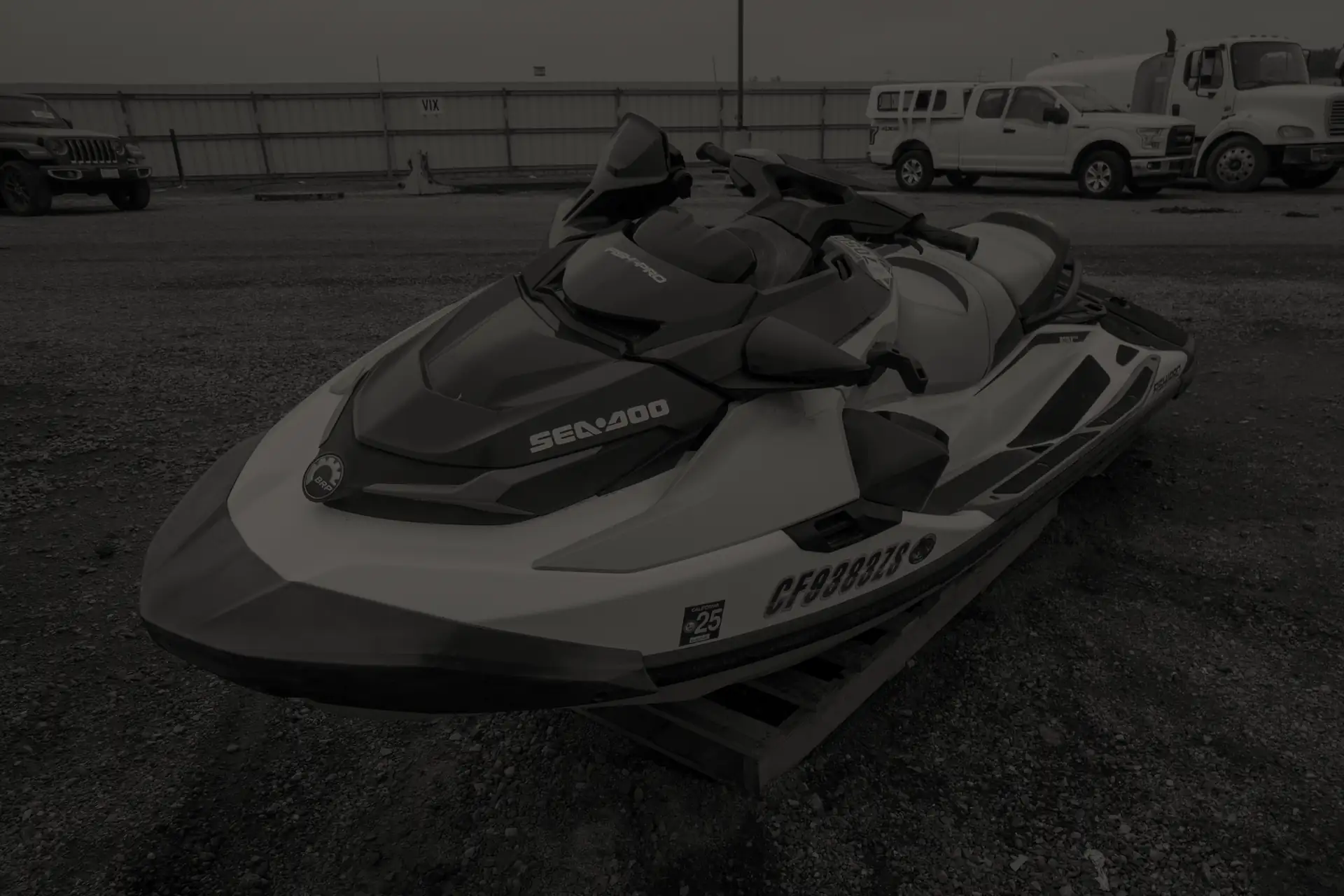
A boating accident can turn a day on the water into a life-changing emergency—serious injuries, costly medical care, and difficult questions about who was responsible. Whether you were hurt on a boat, jet ski, charter, or tour vessel in Mission Bay, San Diego Bay, or coastal waters, Hulburt Law Firm represents injured people and families in serious boating injury and wrongful death cases throughout San Diego County and California.
Types of boating accident cases we handle include:
Throughout your boating accident case, we keep you informed, answer your questions, and explain each step in clear, practical terms. Because we limit the number of serious injury and wrongful death matters we accept, we’re able to move quickly to preserve critical evidence—photos and video of the vessel and scene, witness information, and any reports from Harbor Police, the Coast Guard, or marina personnel—before it disappears.
Boating cases often involve multiple responsible parties and layers of insurance coverage. We investigate whether the operator, vessel owner, rental company, charter or tour operator, or another party failed to follow basic safety practices, navigation rules, or maintenance requirements. When needed, we work with marine safety experts and accident reconstruction specialists to explain how the collision, capsizing, or propeller injury occurred and how it could have been prevented.
With Hulburt Law Firm handling the investigation, insurance companies, and legal process, you can focus on recovery while we pursue full and fair compensation under California law.
Our attorneys have a proven track record of achieving extraordinary results.
A sudden tire failure caused an SUV to fishtail and crash into a tree on the side of a San Diego County highway, killing a beloved husband and father.
A San Diego I-5 freeway collision resulted in brain and spine injuries.
A passenger seatback collapsed in a rear-end collision, causing the occupant life-changing spinal injuries and paralysis.
Campus security was speeding and collided with a student’s vehicle, killing her.
The driver's head restraint broke off when he was rear-ended at high speed on the 15 freeway, causing the driver to suffer a spinal cord injury and paralysis.
Adults served minors alcohol at a party. A minor then drove drunk and crashed, killing a passenger.
Three young women rented a powerboat from a San Diego boat rental company for an afternoon on Mission Bay. While towing one of the women on an inner tube, the tow line pulled the engine to an angle, causing the boat to tighten into a sudden circle. In seconds, the boat ran over the tubed rider, and the propeller caused life-threatening injuries.
The rental company tried to shift responsibility onto the renters, claiming they misused the boat and pointing to liability waivers the women had signed. Investigation showed the real problem: the company knew about the risk of tow lines forcing boats into dangerous turns, yet failed to provide adequate warnings, instruction, and hands-on training to renters before letting them operate a powerful vessel on busy waters.
Waivers are common in recreational boating, but they do not automatically eliminate accountability—especially when the conduct rises beyond ordinary negligence. We focused the case on the rental company’s safety failures and its responsibility to take reasonable steps to prevent foreseeable propeller and towing injuries.
The case resolved in a confidential settlement that compensated the young woman for her injuries and required the rental company to improve its renter training practices going forward.
If you or a loved one was injured in a San Diego boating or jet ski rental accident—including propeller injuries, towing accidents, or crashes on Mission Bay or San Diego Bay—you don’t have to navigate it alone. Request a free boating accident case review to discuss what happened and your options under California law.
During your free case review, In your free case review, we listen to what happened on the water, what injuries you’re dealing with, and what questions you have. We review any information you already have—photos or video, incident reports, rental or charter paperwork, medical records, and insurance letters—and give an honest assessment of whether a boating accident claim may be available under California law. This conversation is confidential and there’s no obligation to move forward.
If you decide to work with us and the scope of representation is signed, we move quickly to preserve key evidence. That can include documenting the vessel or personal watercraft (PWC), identifying witnesses and other boats nearby, securing marina records, and obtaining any reports from Harbor Police, the Coast Guard, or other responding agencies. If the incident involved a rental or charter, we work to preserve rental agreements, waivers, operating instructions, and maintenance and inspection records. Acting early matters because vessels are often repaired, returned, or relocated quickly, and video can be overwritten.
Next, we work with the right experts to determine how and why the accident occurred. Depending on the case, that may include marine safety experts, navigation and seamanship specialists, accident reconstructionists, and medical experts. They help us analyze issues like speed and lookout, right-of-way rules, wake conditions, alcohol or drug impairment, operator training, and whether equipment failures or maintenance problems contributed to the incident.
Boating accidents often involve more than one responsible party and more than one insurance policy. We identify all potentially liable parties—such as the operator, vessel owner, rental company, charter or tour operator, marina, or equipment manufacturer—and evaluate the insurance coverages that may apply, including commercial policies. We also assess damages, including medical care, lost income, future treatment needs, and the impact the injury has on your day-to-day life.
We handle communications with insurance companies and defense lawyers so you don’t have to. In boating cases, insurers often try to shift blame to passengers, argue assumption of risk, or rely on waivers to minimize responsibility. We present a clear package of liability evidence and damages—including expert support when needed—to pursue a full and fair resolution. Throughout negotiations, we keep you informed, explain any offers in plain language, and help you weigh settlement versus litigation.
If a fair resolution cannot be reached, we are prepared to file a lawsuit and take your case to court. Litigation can involve discovery, depositions of operators, rental or charter company representatives, and experts, and technical evidence about navigation rules, safety standards, and vessel operation. At trial, we present the facts clearly—what happened, who is responsible, and what the injury will require going forward—so decision-makers understand the full impact on you and your family.
Boating accidents in California are often governed by the same basic principles as other injury cases—fault, causation, and damages—but the facts can be more complex because incidents happen on open water, involve specialized safety rules, and may include multiple responsible parties (operators, owners, rental companies, charter businesses, marinas, and manufacturers).
Liability depends on who controlled the vessel and who created the risk. Depending on the circumstances, potentially responsible parties may include:
In many serious cases, responsibility is shared among multiple parties and multiple insurance policies.
Boating crashes aren’t evaluated like a simple “rear-end collision” on a road. Fault is often based on whether the operator used reasonable care and followed basic navigation and safety practices—such as maintaining a proper lookout, operating at a safe speed for conditions, and avoiding reckless maneuvers in congested areas.
In places like Mission Bay and San Diego Bay, factors such as heavy traffic, narrow channels, “no wake” zones, night visibility, and changing water conditions can all affect fault analysis. Evidence like witness boats, photos/video, GPS or route data (when available), and official reports can be important in determining what really happened.
Many boating injuries involve rentals, tours, or charters. These cases often require looking beyond the operator’s actions and asking whether the business:
Businesses may point to liability waivers, but waivers don’t automatically end a case—especially where there are questions of negligence, inadequate warnings, or unsafe practices. The enforceability and effect of any waiver is highly fact-specific.
Boating accidents often involve different coverage than typical car crashes. Depending on the situation, insurance may come from:
Identifying all available insurance—especially in serious injury and wrongful death cases—is often a key part of pursuing meaningful compensation.
Depending on the injury and the facts of the case, compensation may include:
Economic damages
Non-economic damages
If a boating accident results in death, surviving family members may have wrongful death and related survival claims, which have their own categories of damages and legal rules.
California law sets strict deadlines for filing injury and wrongful death lawsuits. The general time limits are often:
However, special rules and shorter deadlines can apply in certain cases—such as when a public entity is involved (for example, a government-operated vessel or a dangerous condition on public property near the water), where a formal government claim may be required within six months.
Because boating cases can involve multiple defendants, multiple insurers, and time-sensitive evidence (vessel condition, maintenance records, rental documents, video), it’s wise to speak with an attorney promptly after a serious accident in or around San Diego County.
Forget surface-level research and mediocre inquiries. We dive deep to conduct extensive investigations and gather evidence in order to build your strongest case.
We use technology to your advantage. By using video and photography, scene recreations, and graphics, we tell your story in a visually-compelling way that other law firms cannot match.
Defense attorneys and insurance companies know us and respect us. We assess the full extent of your damages and pursue all responsible parties in order to maximize the compensation you deserve.
Catastrophic injury and wrongful death cases are rarely simple. We have taken on the largest corporations, insurance companies, and defense firms in the country and won.
We understand how important it is to have a compassionate and considerate lawyer. From providing regular case updates to ensuring clients are adequately prepared for each step of the case, we continually demonstrate our care for all of our clients.
Prioritize safety and medical care first. Call 911 if anyone is seriously hurt, get to shore if it’s safe, and accept medical evaluation—especially for head injuries, near-drowning symptoms, deep cuts, or suspected fractures. If possible, report the incident to the appropriate agency (such as Harbor Police, lifeguards, or the Coast Guard) and ask how to obtain a copy of any report.
If you can do so safely, take photos/video of the vessel(s), the area, injuries, and any hazards, and get contact information for witnesses and other boaters nearby. Avoid giving recorded statements to insurance adjusters until you understand your options.
Liability depends on who created the risk and who controlled the vessel or equipment. Potentially responsible parties may include the boat operator, the vessel owner, another boater, a rental company, a charter/tour operator, a marina or property owner (dock hazards), or a manufacturer (equipment failure).
Boating cases often involve multiple responsible parties and multiple insurance policies, especially when rentals or commercial operators are involved.
Passengers usually aren’t controlling the vessel, so the focus is often on the operator’s decisions, the vessel’s condition, and whether the owner or rental company failed to provide a reasonably safe boat and adequate safety instructions.
If you were a passenger on a rented boat or a tour/charter vessel in Mission Bay or San Diego Bay, it’s especially important to preserve rental paperwork, waivers, and any communications with the company.
Alcohol and drug impairment can play a major role in boating crashes. If you suspect the operator was impaired, evidence can include witness observations, law enforcement reports, receipts, social media posts, and—when available—testing results.
Impairment can also affect liability and insurance negotiations because it often strengthens the argument that the operator acted unreasonably and created a foreseeable risk of serious harm.
Not necessarily. Waivers are common in recreational boating, but they don’t automatically eliminate responsibility—especially when the facts involve unsafe practices, inadequate training, or serious safety failures. The enforceability of a waiver depends on the wording, the circumstances, and the level of negligence involved.
If you signed a waiver, keep a copy (or request one) and speak with an attorney before assuming you “can’t do anything.”
Boating cases can become “he said/she said” quickly, so early evidence matters. Helpful items include:
Because vessels are often repaired or returned quickly, preserving the vessel’s condition and rental records early can be essential.
Common causes include operator inattention, excessive speed, alcohol or drug use, poor lookout, unsafe towing practices, inexperienced operators, and failure to follow basic navigation and safety rules. Busy areas like Mission Bay and San Diego Bay can add risk due to congestion, wakes, narrow channels, and mixed vessel traffic (boats, PWCs, paddlecraft).
Some cases also involve equipment problems, inadequate rental training, or poor maintenance.
Boating crashes can cause a wide range of injuries, including head and brain injuries, spinal injuries, fractures, deep lacerations, propeller injuries, crush injuries, and drowning/near-drowning complications. Near-drowning incidents can lead to serious respiratory issues even after the person is out of the water, so medical evaluation is important.
The severity and long-term impact often depend on the mechanism of injury, water conditions, and how quickly rescue and medical care occurred.
Victims of boating accidents may be entitled to compensation for:
Boating accident claims are subject to strict deadlines, and the right deadline depends on the facts (personal injury vs. wrongful death vs. property damage, and whether a public entity is involved). Because these time limits are technical—and because evidence can disappear quickly in boating cases—it’s smart to talk with an attorney promptly after a serious incident in San Diego County.
For more detail on deadlines and special rules, see the California Boating Accident Law section above.
The timeline depends on injury severity, how clear liability is, and whether a rental company, charter operator, manufacturer, or public entity is involved. Some cases resolve within months once medical treatment stabilizes and the evidence is gathered. More serious cases—especially those involving technical investigations, multiple defendants, or catastrophic injuries—often take longer and may require filing a lawsuit.
You’re not required to hire a lawyer, but boating cases can be complex—multiple parties, multiple insurance policies, waivers, and time-sensitive evidence like rental records and vessel condition. A San Diego boating accident attorney can help preserve evidence, work with marine safety experts when needed, and handle negotiations so you can focus on recovery.
Most serious injury firms, including Hulburt Law Firm, handle boating accident cases on a contingency fee basis. That generally means no upfront hourly fees; attorney fees are typically paid as a percentage of any recovery, and case costs may be advanced and reimbursed as explained in the written fee agreement.
Sometimes—but it doesn’t automatically bar a boating accident case. “Assumption of risk” generally means a person may not be able to recover for injuries caused by risks that are truly inherent and obvious in the activity. In boating cases, insurers may argue a passenger “knew boating can be dangerous,” especially after incidents involving wakes, tubing, rough water, or fast operation in crowded areas like Mission Bay or San Diego Bay.
That said, assumption of risk is not a free pass for unsafe conduct. You can still have a strong claim when injuries are caused by things that go beyond ordinary boating risks—such as reckless operation, intoxication, excessive speed, failure to keep a proper lookout, unsafe towing practices, inadequate rental training, poor maintenance, or hidden hazards. Waivers and release forms may be relevant, but they do not automatically eliminate liability, and they typically do not protect a company from gross negligence or other serious safety failures.
Because the outcome depends heavily on what happened and why, a boating accident attorney can help evaluate whether “assumption of risk” is a real issue in your case—or just an argument insurers use to minimize responsibility and reduce payouts.
Simply fill out the form or call 619.821.0500 to receive a free case review. We’ll evaluate what happened, your injuries, and potential defendants to determine how we can best help you.