
Common Causes of Spinal Cord Injuries in San Diego
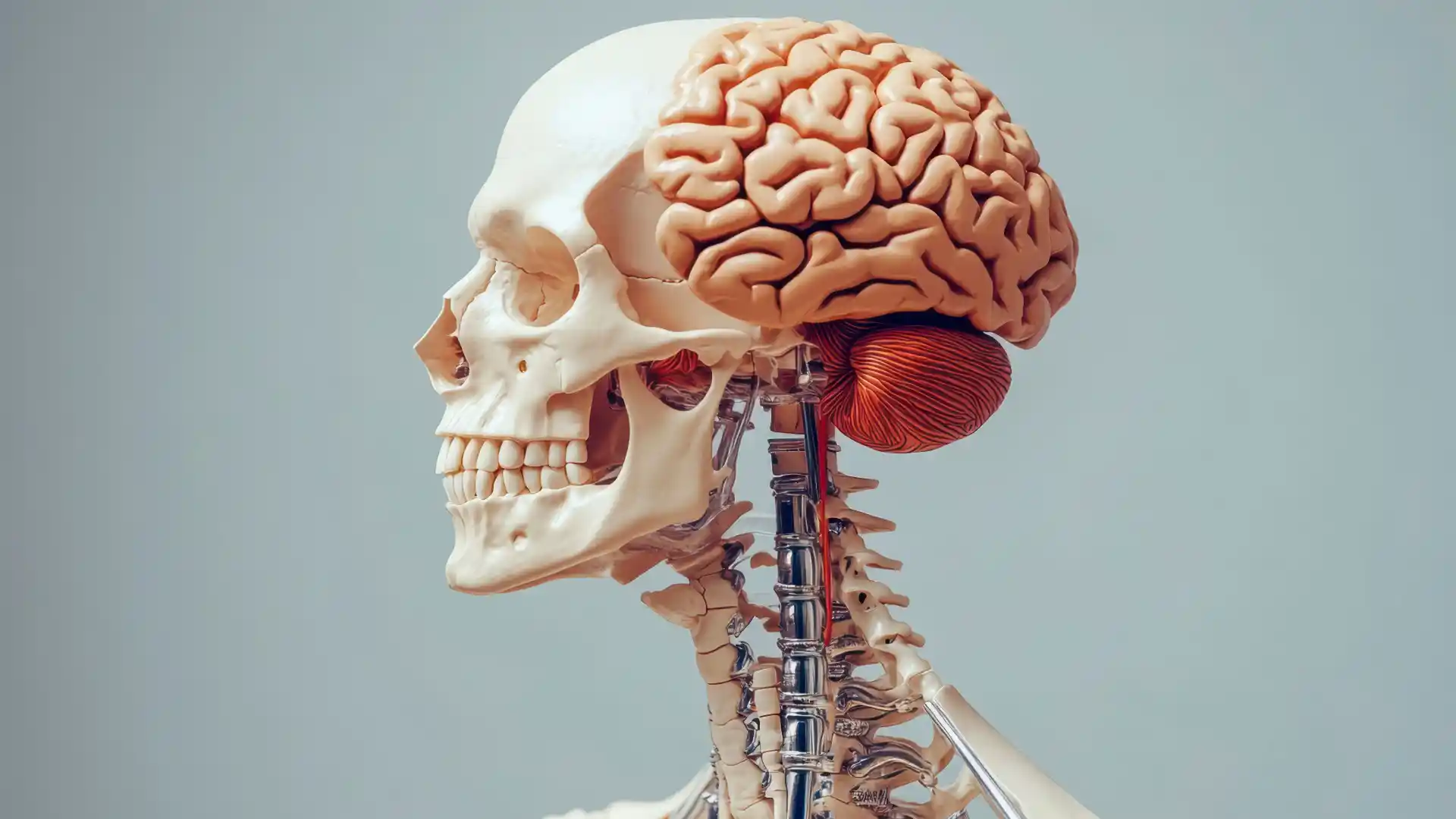
If you or someone you love has suffered a spinal cord injury, you already know how suddenly life can change. Understanding the causes of spinal cord injuries is an important first step toward protecting your rights and pursuing the compensation you deserve. In San Diego, these devastating injuries happen in ways that many families never anticipate. From high-speed collisions on Interstate 5 to slip-and-fall incidents at local businesses, spinal cord trauma can result from a wide range of preventable accidents. This guide from a San Diego spinal cord injury attorney examines the most common causes of spinal cord injuries in the San Diego area, explains what California law says about holding negligent parties accountable, and outlines the steps you can take to protect your future.
How Spinal Cord Injuries Happen: A National and Local Perspective
According to the National Spinal Cord Injury Statistical Center’s 2025 data sheet, approximately 18,400 new traumatic spinal cord injuries occur in the United States each year. The leading causes have remained consistent for decades: motor vehicle accidents, falls, acts of violence, and sports or recreation injuries. However, the relative prevalence of each cause varies by age group, geography, and circumstances.
San Diego County records tens of thousands of traffic collisions every year, and the region’s combination of congested freeways, outdoor recreation culture, and construction activity creates conditions where spinal cord injuries happen with troubling regularity. Understanding how these injuries occur is essential for both prevention and for identifying who may be legally responsible when they do.
Motor Vehicle Accidents: The Leading Cause
Motor vehicle crashes are responsible for about 37% of all new spinal cord injuries nationwide, making them the single largest cause. In San Diego, the volume of daily freeway traffic on corridors like I-5, I-8, I-15, and I-805 contributes to a disproportionate share of these incidents. For San Diego spine injury victims, understanding the mechanics of how a crash causes spinal damage can be critical to building a strong legal case.
High-Speed Rear-End Collisions
When a vehicle is struck from behind at high speed, the occupant’s head and neck are violently whipped backward and then forward. This hyperextension and hyperflexion can fracture cervical vertebrae, rupture intervertebral discs, or directly compress the spinal cord. Rear-end collisions are especially common in stop-and-go traffic on San Diego’s major freeways and at intersections along busy arterial roads like University Avenue and El Cajon Boulevard.
Head-On and T-Bone Collisions
Head-on crashes generate enormous force that can crush the vehicle’s cabin and drive the steering column or dashboard into the driver’s body, compressing the thoracic or lumbar spine. T-bone (broadside) collisions at intersections are particularly dangerous because vehicle doors offer minimal structural protection. The lateral force can bend or fracture the vertebral column in ways that the human body is simply not designed to withstand.
Rollover Accidents
Rollover crashes subject occupants to chaotic, multidirectional forces. Even with seatbelts and airbags, the spine can be compressed, twisted, or hyperextended during a rollover event. SUVs and trucks, which have higher centers of gravity, are more prone to rollovers, particularly on curved freeway on-ramps and highway shoulders in the San Diego area.
Motorcycle, Bicycle, and Pedestrian Crashes
Riders and pedestrians lack the structural protection of a vehicle cabin. When a motorcyclist is thrown from a bike at speed, the impact with the road surface or another vehicle can cause catastrophic spinal fractures. San Diego’s year-round cycling culture and active pedestrian corridors mean these accidents happen frequently. A cyclist struck by a car making a right turn, for example, can suffer thoracic vertebral fractures that lead to partial or complete paralysis.
Falls: The Second Most Common Cause
Falls account for roughly 32% of all spinal cord injuries in the United States, and among adults over age 65, falls are the leading cause. In San Diego, falls resulting in spinal cord trauma occur in a variety of settings.
Workplace Falls
Construction workers, warehouse employees, and maintenance personnel face significant fall risks. Falls from scaffolding, ladders, rooftops, and elevated platforms are among the most common causes of work-related spinal cord injuries. California’s Division of Occupational Safety and Health (Cal/OSHA) requires employers to provide fall protection under Title 8 of the California Code of Regulations, including guardrails, safety nets, and personal fall arrest systems for workers at heights of six feet or more. When employers fail to comply with these standards, injured workers may have grounds for a personal injury claim in addition to workers’ compensation benefits.
Slip-and-Fall Accidents
Wet floors in grocery stores, uneven sidewalks, poorly lit stairwells, and missing handrails can all lead to falls that cause spinal injuries. Under California premises liability law, property owners have a legal duty to maintain their premises in a reasonably safe condition. When a property owner knows about a hazardous condition and fails to repair it or warn visitors, they can be held liable for resulting injuries.
Falls Among Older Adults
For San Diego residents over age 65, a fall that might cause only bruising in a younger person can result in vertebral compression fractures or spinal cord damage due to age-related bone density loss. These injuries often occur in nursing homes, assisted living facilities, and residential settings. When a facility fails to provide adequate supervision, fall-prevention protocols, or safe walking surfaces, they may bear legal responsibility for the resulting spinal cord injury.
Acts of Violence
Violence accounts for approximately 15% of spinal cord injuries nationwide. Gunshot wounds are the most common violence-related cause, followed by knife wounds and other physical assaults. While San Diego is generally considered a safe city, violent incidents still occur, and the spinal cord damage they cause can be permanent. Victims of violent crimes that result in spinal cord injuries may pursue civil claims against their attackers and, in some circumstances, against third parties who failed to provide adequate security.
Sports and Recreation Injuries
Roughly 8% of spinal cord injuries in the U.S. are caused by sports and recreation activities. San Diego’s outdoor lifestyle means residents are frequently engaged in activities that carry spinal injury risk.
Diving Accidents
Diving into shallow water is one of the most well-documented causes of cervical spinal cord injury. Striking the head on the bottom of a pool, lake, or ocean floor can fracture cervical vertebrae and damage the spinal cord, often resulting in quadriplegia. San Diego’s beaches and backyard pools see these injuries every year, particularly during summer months.
Surfing and Water Sports
San Diego’s surf culture brings thousands of people into the ocean each week, and wipeouts in heavy surf can drive a surfer headfirst into a sandbar or reef. Jet ski collisions, wakeboarding falls, and boating accidents also contribute to spinal injuries. When a spinal cord injury results from a commercial water sport operator’s negligence or defective equipment, the victim may have a viable personal injury claim.
Contact Sports and Cycling
Football, rugby, gymnastics, horseback riding, and competitive cycling all carry meaningful spinal injury risk. When injuries occur due to defective sporting equipment, unsafe facility conditions, or another participant’s reckless behavior, legal liability may exist beyond what a standard assumption-of-risk defense would cover.
Medical and Surgical Complications
About 4% of spinal cord injuries result from medical or surgical complications. Spinal surgery is inherently complex, and errors during procedures such as spinal fusion, laminectomy, or disc replacement can cause nerve damage, paralysis, or worsened spinal cord compression. Anesthesia errors, improper patient positioning during surgery, and infections that spread to the spinal canal are additional risks.
Other Causes of Spinal Cord Injuries
While motor vehicle accidents, falls, violence, and sports injuries account for the vast majority of traumatic spinal cord injuries, other causes include:
Construction and industrial accidents: Heavy machinery strikes, falling objects, trench collapses, and equipment malfunctions on construction sites and in industrial settings can cause severe spinal trauma. California’s construction industry is one of the most dangerous in terms of workplace injuries, and San Diego’s ongoing development projects create daily exposure to these risks.
Defective products: Vehicle design defects (such as inadequate roof crush resistance), faulty safety equipment, defective playground equipment, and flawed medical devices can all contribute to spinal cord injuries. Under California’s strict product liability laws, manufacturers can be held responsible regardless of whether they were negligent.
Dangerous road conditions: Potholes, missing guardrails, obscured signage, and poorly designed roadways can cause accidents that lead to spinal injuries. When a government entity is responsible for maintaining the road, claims must be filed within six months under the California Government Claims Act (Government Code section 911.2).
Understanding Legal Liability for Spinal Cord Injuries in California
California law provides several legal frameworks for holding responsible parties accountable after a spinal cord injury.
Negligence
Most spinal cord injury claims are based on negligence. To succeed, the injured person must prove that the defendant owed a duty of care, breached that duty, and that the breach directly caused the spinal cord injury and resulting damages. For example, a distracted driver who runs a red light and causes a collision resulting in a spinal fracture has breached their duty to drive safely.
Comparative Fault in California
California follows a pure comparative negligence standard, established in Li v. Yellow Cab Co. (1975). This means that even if you bear some responsibility for the accident, you can still recover damages. Your compensation is reduced by your percentage of fault. For instance, if you are found 20% at fault and your damages total $2 million, you would recover $1.6 million.
Statute of Limitations
In California, the statute of limitations for personal injury claims is generally two years from the date of injury (California Code of Civil Procedure section 335.1). Claims against government entities must be filed within six months. Missing these deadlines typically means losing your right to pursue compensation entirely, which is why consulting a San Diego spine injury attorney promptly after an injury is critical.
Types of Recoverable Damages
Spinal cord injuries often result in extraordinary damages. California law allows victims to recover both economic damages (medical bills, rehabilitation costs, lost wages, future care expenses, home modifications) and non-economic damages (pain and suffering, loss of enjoyment of life, emotional distress, loss of consortium). Unlike medical malpractice claims, there is no cap on non-economic damages in standard personal injury cases in California. Given the lifetime costs associated with spinal cord injuries, which can reach several million dollars depending on severity, pursuing full compensation is essential.
Why the Cause of Your Spinal Cord Injury Matters Legally
The specific cause of a spinal cord injury directly affects who can be held liable, what evidence is needed, and what legal theories apply. A spinal cord injury caused by a car accident will involve different liable parties and insurance considerations than one caused by a fall at a commercial property or a defective product. Understanding the different types of spinal cord injuries and their classifications also helps attorneys and medical experts connect the mechanism of injury to the resulting diagnosis, strengthening the causal link that every successful claim requires.
For vehicle accident cases, evidence such as police reports, traffic camera footage, and accident reconstruction analysis is essential. For workplace injuries, Cal/OSHA inspection reports and employer safety records become central. For premises liability claims, maintenance logs, prior incident reports, and surveillance footage help establish that the property owner knew about the hazard. An experienced attorney will know exactly what evidence to pursue based on the cause of your injury.
Related Resources
If you or a loved one is dealing with a spinal cord injury, these additional resources from our spine injury library may be helpful:
- Steps to Take After a Spinal Cord Injury in San Diego: A practical guide to protecting your health, your evidence, and your legal rights in the critical days after an injury.
- Living with a Spinal Cord Injury: Care Costs and Impact: What families need to know about the long-term financial and personal effects of a spinal cord injury.
Protecting Your Rights After a Spinal Cord Injury in San Diego
A spinal cord injury is one of the most life-altering events a person can experience. Whether your injury was caused by a negligent driver, a dangerous property condition, a workplace accident, or any other preventable circumstance, you deserve experienced legal guidance from someone who understands the full scope of what you are facing. If you are unsure where to begin, our guide on steps to take after a spinal cord injury can help.
Attorney Conor Hulburt and the team at Hulburt Law Firm focus on catastrophic injury cases in San Diego, including spinal cord injuries caused by vehicle accidents, falls, workplace incidents, and defective products. We offer free, confidential consultations so you can understand your legal options without any financial pressure. If you or a family member has suffered a spinal cord injury, contact us today to discuss your case.
Request a Free Case Review
Simply fill out the form or call 619.821.0500 to receive a free case review. We’ll evaluate what happened, your injuries, and potential defendants to determine how we can best help you.

Hulburt Law Firm handles serious personal injury and wrongful death cases throughout San Diego County.


