
Brain Injury Diagnosis in San Diego: Tests and Evaluation
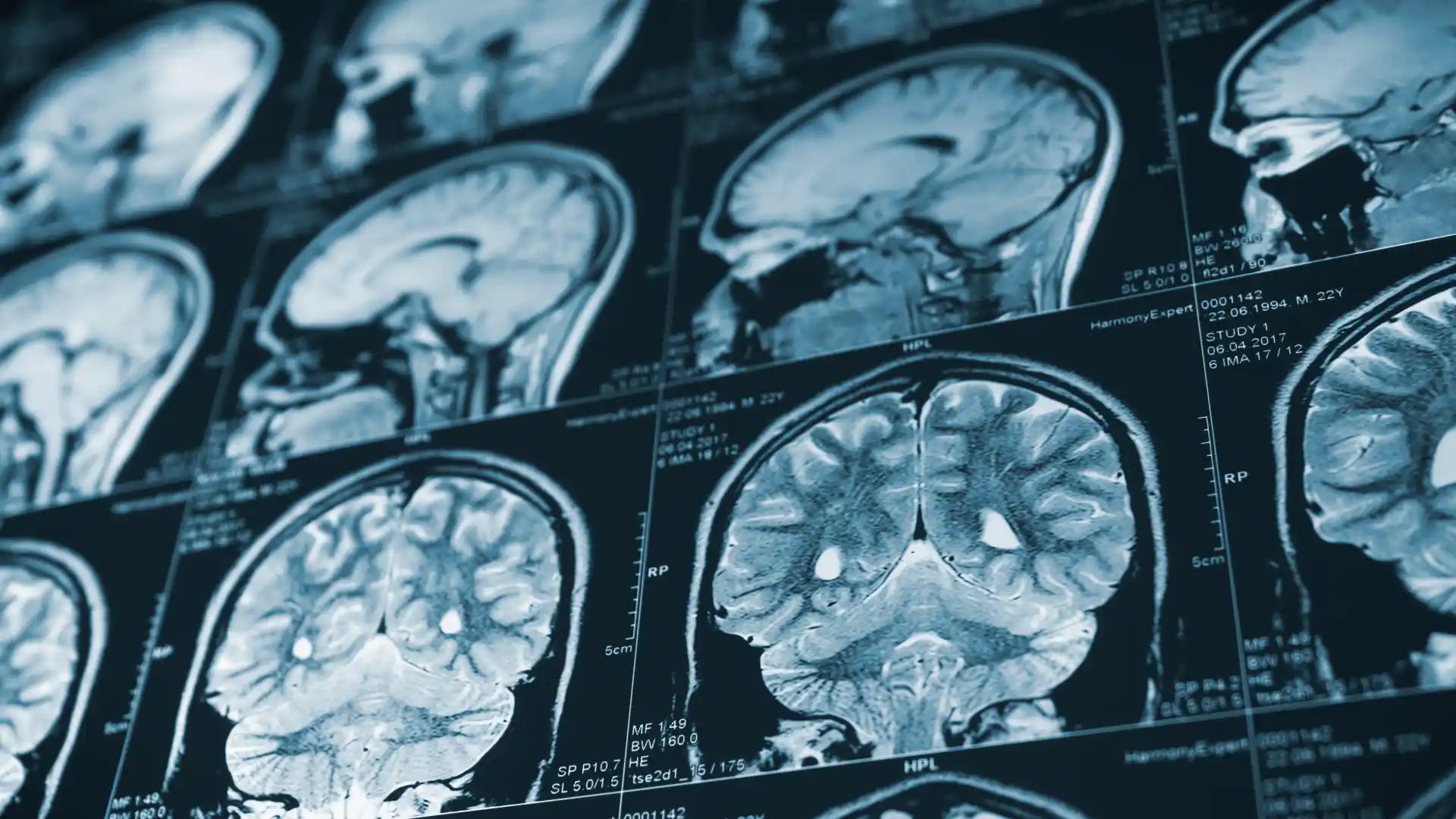
If you or someone you love has suffered a head injury in an accident, you may be experiencing symptoms that are frightening, confusing, and difficult to explain. Headaches that won’t go away. Trouble concentrating. Mood changes that feel completely unlike you. Sleep problems. Memory gaps that leave you struggling to recall conversations that happened just hours ago. These can all be signs of a traumatic brain injury (TBI), even when scans come back “normal.”
Traumatic brain injuries are uniquely challenging to diagnose. Unlike a broken bone that shows clearly on an X-ray, damage to the brain is often invisible to standard imaging. Many people with genuine brain injuries are told they’re “fine” after an initial emergency room visit, only to struggle with debilitating symptoms for months or years afterward. This isn’t a failure of willpower or imagination, it’s a limitation of the diagnostic tools that were used.
Understanding how brain injuries are diagnosed and what happens when doctors miss them is critical both for your recovery and for any legal claim you may have. This guide explains the full range of diagnostic tools used to evaluate brain injuries, from the initial ER assessment to advanced neuroimaging techniques, and why thorough documentation matters for San Diego brain injury victims pursuing compensation.
What Is a Traumatic Brain Injury?
A traumatic brain injury occurs when an external force disrupts normal brain function. This can result from a direct blow to the head, a violent shaking motion (as in whiplash during a car accident), a sudden deceleration (such as when a pedestrian strikes a windshield), or a penetrating injury. There are many types of traumatic brain injuries, ranging from mild concussions to catastrophic, such as diffuse axonal injury or severe contusions that can leave victims with permanent disability.
In California and across the country, traumatic brain injuries are one of the leading causes of death and disability from accident-related injuries. Thousands of San Diego residents are treated for TBIs each year, many as a result of car accidents, truck crashes, motorcycle collisions, bicycle accidents, pedestrian knockdowns, and falls caused by someone else’s negligence.
What makes TBI particularly treacherous is that the severity of symptoms doesn’t always correlate with the severity of visible damage on imaging. A person can suffer a life-altering traumatic brain injury without ever losing consciousness, without any bleeding visible on a CT scan, and without any outward signs of injury at the accident scene. This disconnect between visible findings and actual injury is the source of enormous frustration for victims, and one of the reasons why accurate, comprehensive diagnosis is so important.
The Initial Evaluation: What Happens at the Emergency Room
When you arrive at the hospital after a head injury, the medical team begins with a rapid neurological assessment to determine the urgency of care needed and to screen for immediately life-threatening conditions.
The Glasgow Coma Scale
One of the first tools used is the Glasgow Coma Scale (GCS), developed in 1974 as a standardized way to measure level of consciousness in patients with acute brain injury. The GCS evaluates three responses:
- Eye opening: Does the patient open their eyes spontaneously, in response to voice, in response to pain, or not at all?
- Verbal response: Is the patient oriented and speaking coherently, confused, using only words, making sounds, or completely unresponsive?
- Motor response: Can the patient follow commands, localize to pain, or do they respond only with reflexive movements?
Scores on the GCS range from 3, indicating complete unresponsiveness, to 15, indicating a fully alert, interactive patient. A score of 13 to 15 is generally classified as mild TBI; 9 to 12 as moderate; and 8 or below as severe.
It is critical to understand that the GCS is a tool for acute triage, not a comprehensive measure of brain injury severity. Many people who go on to suffer significant, long-lasting TBI-related impairments score 14 or 15 on the GCS at the time of their initial evaluation.
Assessment of Consciousness and Post-Traumatic Amnesia
Emergency physicians will also carefully document:
- Loss of consciousness: Did the patient black out? For how long? Even a momentary loss of consciousness can meet the criteria for a diagnosable traumatic brain injury.
- Post-traumatic amnesia: Is the patient confused or unable to recall events immediately before or after the injury? The duration of post-traumatic amnesia is one of the strongest predictors of injury severity.
- Alteration of consciousness: Even brief disorientation, confusion, or “seeing stars” without a full loss of consciousness can signal a significant brain injury.
These elements form the foundation of initial TBI classification and should be carefully documented in medical records from the outset.
Imaging: CT Scans, MRI, and Advanced Techniques
CT Scan: The First Line of Imaging
A computed tomography (CT) scan is the standard initial imaging study for any suspected brain injury. CT is fast, widely available, and excellent at detecting immediately life-threatening conditions such as:
- Intracranial hemorrhage (bleeding inside the skull)
- Brain contusions (bruising of brain tissue)
- Skull fractures
- Cerebral edema (swelling of the brain)
- Epidural and subdural hematomas (blood pooling outside or beneath the brain’s protective coverings)
In the acute setting, particularly when there is any possibility of urgent bleeding or swelling, a CT scan is essential and can be life-saving.
However, CT has a critical limitation that every TBI patient and their family should understand: it cannot detect the widespread microscopic damage to nerve fibers (axons) that causes many of the long-term problems associated with traumatic brain injuries. It is entirely normal for the CT scan to appear completely negative in a patient who has sustained a significant TBI, especially in concussions and mild-to-moderate injuries. A “normal CT” does not mean a normal brain and it should never be used to dismiss a patient’s symptoms.
MRI: A More Detailed View of Brain Injury
Magnetic resonance imaging (MRI) provides far greater detail than CT for soft tissue injuries and is the critical imaging study for TBI patients once life-threatening emergencies have been ruled out or stabilized. Different MRI sequences reveal different aspects of injury:
- Standard T1 and T2-weighted MRI: Detects structural abnormalities, contusions, and areas of tissue damage larger than the resolution of CT.
- FLAIR (Fluid-Attenuated Inversion Recovery): Particularly sensitive to white matter injury and subtle lesions invisible on standard MRI sequences.
- Susceptibility-Weighted Imaging (SWI): Detects microhemorrhages (tiny areas of bleeding that serve as the footprint of diffuse axonal injury) that are the most common severe TBI mechanism in high-speed accidents.
- Gradient Echo (GRE): Also sensitive to blood products and small hemorrhages, providing a complementary view to SWI.
A high-quality MRI with multiple sequences can reveal injuries that are entirely invisible on CT. However, even a comprehensive standard MRI has limitations, particularly in mild TBI, where axonal injury at the microscopic level can evade detection on conventional clinical imaging.
This is why many patients experience what’s sometimes called the “diagnostic gap,” a period in which their symptoms are very real and very impairing, but the imaging available to their physicians cannot fully capture what has occurred inside their brain.
Advanced Neuroimaging: DTI, fMRI, and Beyond
The frontier of traumatic brain injury diagnosis includes a growing range of advanced neuroimaging techniques increasingly used in both clinical practice and in legal proceedings:
- Diffusion Tensor Imaging (DTI): DTI is a specialized MRI technique that evaluates the integrity of the brain’s white matter by tracking the movement of water molecules along nerve fiber pathways. When axons are disrupted by injury, the normally organized flow of water becomes disordered, showing up as reduced fractional anisotropy (FA) on DTI maps. DTI can detect damage to white matter tracts that is invisible on standard MRI, making it particularly valuable for documenting mild-to-moderate TBI.
- Functional MRI (fMRI): Rather than imaging structure, fMRI measures brain activity by tracking changes in blood oxygenation. In TBI patients, fMRI can reveal abnormal patterns of brain activation or disrupted connectivity between regions, providing functional evidence of injury even when structural scans appear normal.
- Magnetic Resonance Spectroscopy (MRS): This technique measures the chemical composition of brain tissue, detecting changes in metabolites that indicate neuronal death, inflammation, or disrupted cellular function at the molecular level.
- PET Scanning: Positron emission tomography can detect reduced glucose metabolism in injured brain regions, providing functional evidence of damage even in cases where structural imaging is unrevealing.
These advanced techniques are increasingly being used in litigation to objectively document brain injury. For victims pursuing claims in San Diego, having access to a physician or neuroradiologist who can order and interpret DTI can be a critical advantage in establishing the nature and severity of the injury.
Neurological and Neuropsychological Evaluation
Imaging alone does not tell the full story of a brain injury. In fact, for many TBI patients, neurological and neuropsychological evaluation will reveal far more about the real-world impact of the injury than any scan.
The Neurological Examination
A neurologist evaluates the brain’s functional status through a structured physical and cognitive examination. A comprehensive neurological exam assesses:
- Orientation: Is the patient oriented to person, place, time, and situation?
- Cranial nerve function: Are vision, hearing, eye movement, facial sensation, taste, and smell intact?
- Motor function: Is there weakness, coordination problems, tremor, or abnormal reflexes?
- Sensory function: Is perception of touch, pain, temperature, and vibration normal?
- Gait and balance: Can the patient walk normally, maintain balance, and coordinate movement?
- Cognitive screening: Brief bedside tests of memory, attention, orientation, and language
A thorough neurological examination provides both documentation of deficits and a baseline against which future recovery or decline can be measured. Serial neurological evaluations over time are particularly important in documenting the trajectory of recovery and identifying conditions that may require additional intervention.
Neuropsychological Testing: The Gold Standard for Cognitive Injury
Neuropsychological testing is one of the most powerful tools available for documenting the cognitive consequences of a traumatic brain injury. Conducted by a licensed neuropsychologist, this is a comprehensive battery of standardized tests typically administered over several hours that measures:
- Memory: Immediate recall, short-term memory, long-term memory, and prospective memory (the ability to remember to do things in the future)
- Attention and concentration: The ability to sustain focus, divide attention between tasks, and resist distraction
- Processing speed: How quickly the brain responds to and processes information (one of the most consistently affected domains after TBI)
- Executive function: Higher-order cognitive abilities including planning, organization, problem-solving, cognitive flexibility, and impulse control
- Language: Word-finding ability, verbal fluency, comprehension, and expressive communication
- Visuospatial abilities: Visual perception, spatial reasoning, and the ability to understand and navigate spatial relationships
- Emotional and behavioral functioning: Screening for depression, anxiety, PTSD, personality changes, and emotional dysregulation (all common sequelae of TBI)
The results of neuropsychological testing are compared to population norms adjusted for age, education, gender, and estimated pre-injury intellectual functioning. This allows the neuropsychologist to quantify cognitive deficits precisely, identifying, for example, that a patient’s processing speed falls at the 8th percentile for their age group, or that their memory performance has declined to a level significantly below what would be expected based on their background.
Neuropsychological testing is particularly important in mild TBI cases, where brain imaging may appear normal but cognitive impairment is real and measurable. Objective neuropsychological test data provides documented, standardized evidence of cognitive dysfunction that is difficult for insurance companies and defense attorneys to dismiss, and it can be central to establishing the severity of injury in a legal claim.
Specialized Evaluations for TBI Complications
Depending on the specific nature and pattern of the injury, patients may also require evaluation by additional specialists:
- Neuro-ophthalmologist or ophthalmologist: For post-traumatic vision problems including convergence insufficiency, visual field deficits, and diplopia (double vision)
- Otolaryngologist or audiologist: For hearing loss, tinnitus, and vestibular dysfunction (dizziness and balance problems)
- Psychiatrist or psychologist: For post-traumatic stress disorder, depression, anxiety, and personality changes, which occur at elevated rates following TBI
- Speech-language pathologist: For communication deficits, word-finding difficulties, and cognitive-linguistic impairments affecting reading, writing, and verbal communication
- Occupational therapist: For functional assessment of how cognitive and physical deficits affect everyday activities, work performance, and independent living
Blood Biomarkers: An Emerging Diagnostic Frontier
Medical science is rapidly advancing toward objective blood tests capable of confirming brain injury. Several protein biomarkers released into the bloodstream following neuronal damage are showing considerable promise:
- GFAP (Glial Fibrillary Acidic Protein): Released from damaged astrocytes (support cells in the brain) GFAP levels rise within hours of brain injury and may remain elevated for days.
- UCH-L1 (Ubiquitin C-terminal Hydrolase-L1): A neuronal protein that appears rapidly in blood after TBI; approved by the FDA (in combination with GFAP) as a blood test to help guide CT scan decisions in the acute setting.
- S100B: A marker of blood-brain barrier disruption and astroglial injury, widely used in Europe to assess the need for CT imaging after minor head trauma.
- Tau protein: A marker of axonal injury; levels may remain elevated for months after injury and correlate with long-term cognitive outcomes.
Blood biomarker testing for TBI is still an area of active investigation rather than routine clinical practice for most patients. Research is advancing, and these tests are increasingly likely to play a role in both medical management and legal documentation of brain injuries in the coming years.
Why Comprehensive Diagnosis Matters for Your Legal Case
If your brain injury was caused by someone else’s negligence (a distracted driver, a drunk motorist, a property owner who failed to maintain safe premises), the quality and completeness of your medical documentation will directly determine your ability to recover fair compensation. Consulting a San Diego brain injury attorney early in this process can help ensure the right evaluations are ordered, documented, and preserved before critical evidence is lost.
What California Law Allows You to Recover
California law allows brain injury victims to seek compensation for a broad range of damages, including:
- All past and future medical expenses, including emergency care, hospitalization, specialist evaluations, rehabilitation, and ongoing treatment
- Lost wages and loss of future earning capacity, particularly significant in TBI cases where cognitive deficits affect professional performance
- Pain and suffering: the physical pain, emotional distress, and diminished enjoyment of life caused by the injury
- Loss of consortium: the impact on marital and family relationships
- In appropriate cases involving egregious conduct, punitive damages
The more thoroughly your injury is documented through imaging, neuropsychological testing, specialist evaluations, and expert testimony, the stronger the foundation for a full recovery of these damages.
The Challenge: Insurance Companies Dispute TBI Claims
Here is the reality that every brain injury victim in San Diego needs to understand: insurance companies and defense attorneys routinely and aggressively dispute TBI claims, particularly in mild-to-moderate cases where imaging appears normal. They will argue that there is no “objective evidence” of injury, exploiting the very diagnostic limitations described in this article.
This approach is medically misleading. It ignores the well-established scientific literature on the limitations of CT and standard MRI for detecting TBI, and it discounts the objective evidence provided by neuropsychological testing, DTI imaging, and specialist evaluations. But it can be legally effective if your claim is not properly documented and supported.
A comprehensive diagnostic record, including not just initial ER imaging but follow-up MRI with advanced sequences, formal neuropsychological testing, specialist evaluations, and where appropriate, DTI imaging, creates the objective foundation needed to counter these arguments and establish the true nature and severity of your injury.
The Role of Medical Expert Witnesses
In California brain injury lawsuits, expert witnesses play a central role. Depending on the case, the following experts may be retained or deposed:
- Neuroradiologists: To explain what imaging does and does not show, and to testify about the limitations of CT and standard MRI for detecting axonal injury, and the sensitivity of advanced techniques like DTI.
- Neuropsychologists: To present, explain, and defend the results of cognitive testing, quantifying the real-world impact of cognitive deficits on work, daily functioning, and quality of life.
- Neurologists or neurosurgeons: To testify about the mechanism, severity, and prognosis of the brain injury.
- Life care planners: To document the anticipated future medical costs of living with a TBI: rehabilitation, medication, therapy, and long-term supportive care.
- Vocational rehabilitation experts: To quantify loss of earning capacity when cognitive deficits prevent a victim from returning to their prior occupation or level of productivity.
An experienced personal injury attorney will identify which experts are necessary for your specific case, retain qualified professionals, and work with them to present compelling, credible testimony on your behalf.
Seek Medical Attention and Follow Through
One of the most important steps you can take after any accident involving a head injury is to seek medical attention immediately. Read our full guide on what to do after a brain injury in San Diego for a complete breakdown of early actions that protect both your health and your legal rights. Do not minimize your symptoms or delay evaluation, even if you feel relatively okay in the hours after the accident.
- Medical safety: Some TBI complications, such as epidural hematoma, can become life-threatening within hours of injury. Rapid diagnosis can be life-saving.
- Documentation: Medical records created close in time to the accident, such as emergency room records, carry significant weight in legal proceedings. Delayed evaluations are far easier for insurance companies to minimize.
- Baseline establishment: An early neurological examination establishes a documented baseline from which subsequent changes in your condition can be measured and attributed to the accident.
If you have already been evaluated and told that everything is “normal,” but you are still experiencing symptoms weeks or months later, do not accept that answer and move on. Follow up with a neurologist or neuropsychologist. A normal CT does not mean your brain is uninjured, it means the initial test may not have been sensitive enough to detect your specific injury.
Brain Injury Diagnosis and Care in San Diego
San Diego residents have access to world-class resources for traumatic brain injury evaluation and care. The region’s trauma system includes six designated trauma centers:
- UC San Diego Health (Level I Trauma Center): A Level I trauma center, UC San Diego Health is also a national leader in TBI research, with active clinical trials investigating new diagnostic approaches and treatments for brain injury.
- Scripps Mercy Hospital San Diego (Level I Trauma Center): Treats approximately 2,500 trauma patients a year and collaborates with UCSD on clinical studies to advance trauma patient care.
- Scripps Memorial Hospital La Jolla (Level I Trauma Center): Providing high-level trauma and neurological care on the northern coast of San Diego.
- Sharp Memorial Hospital (Level II Trauma Center): Sharp HealthCare operates a nationally recognized brain injury rehabilitation program supporting survivors from the acute phase through long-term recovery.
- Palomar Medical Center (Level II Trauma Center): Serving the North County region with full trauma center capabilities.
- Rady Children’s Hospital (Level I Pediatric Trauma Center): San Diego’s regional pediatric trauma center, providing specialized care for children with brain injuries.
Beyond acute care, the San Diego Brain Injury Foundation (SDBIF) provides resources, support groups, educational programs, and community connections for TBI survivors and their families throughout the region, a valuable resource as victims navigate the long road of recovery.
Speak With a San Diego Brain Injury Attorney
Brain injuries are among the most complex, most contested, and most life-altering injuries that can result from an accident caused by someone else’s negligence. The path from injury to fair compensation is not straightforward. It requires thorough medical documentation, knowledgeable experts, and an attorney who understands both the medicine and the law.
At Hulburt Law Firm, led by Conor Hulburt, we represent catastrophic injury victims, including people who have suffered traumatic brain injuries in San Diego accidents. We know how to build brain injury cases that fully document the injury, establish its connection to the accident, and present compelling evidence of its impact on your life and future. We work with leading medical professionals, including neuroradiologists, neuropsychologists, and life care planners, to ensure your case reflects the true cost of what you have been through.
If you or a loved one has suffered a head injury in a San Diego accident, whether in a car crash, truck collision, motorcycle accident, pedestrian knockdown, or any other incident caused by another person’s negligence, we encourage you to contact Hulburt Law Firm for a free consultation.
Request a Free Case Review
Simply fill out the form or call 619.821.0500 to receive a free case review. We’ll evaluate what happened, your injuries, and potential defendants to determine how we can best help you.

Hulburt Law Firm handles serious personal injury and wrongful death cases throughout San Diego County.


