
Long-Term Effects of Traumatic Brain Injury in San Diego
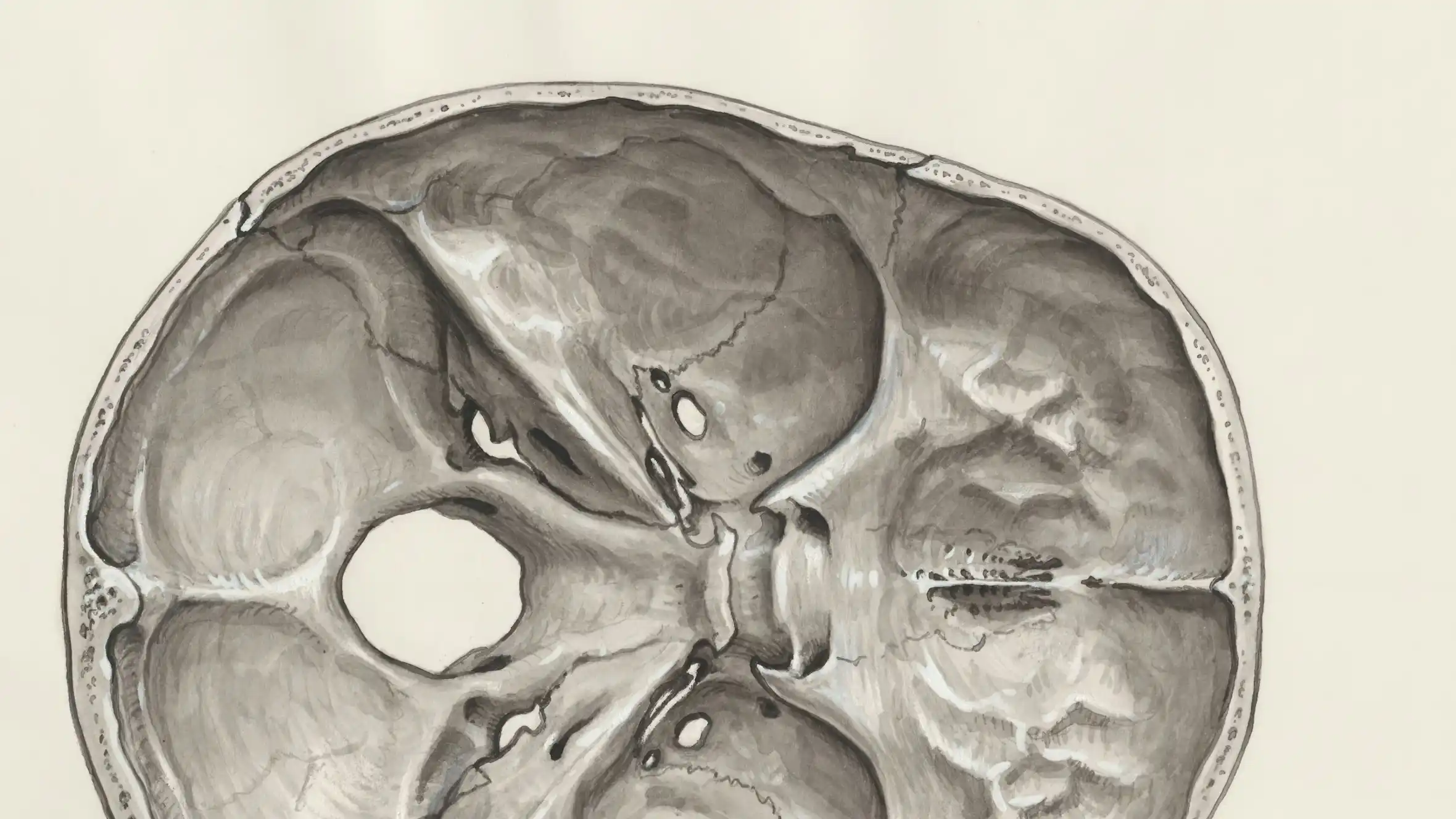
If you or someone you love has suffered a traumatic brain injury in San Diego, you may already know that the long-term effects of traumatic brain injury go far beyond the emergency room. In the days and weeks after an accident, it can feel like recovery is simply a matter of time: rest, follow-up appointments, and gradually returning to normal. For many TBI survivors, though, normal never looks quite the same again.
Traumatic brain injuries are among the most consequential injuries a person can sustain. Unlike a broken bone that heals and leaves no trace, the brain’s recovery is unpredictable. Some people make remarkable recoveries. Others live for decades with challenges that touch every part of their lives. Their memory, their relationships, their ability to work, and their sense of who they are are all impacted.
This guide is written for TBI survivors in San Diego and the families who love them. It explains, in plain language, what the long-term effects of traumatic brain injury can look like, cognitively, physically, and emotionally, and what that means for your legal rights and financial future.
Understanding the Scope of Traumatic Brain Injury
A traumatic brain injury occurs when an external force disrupts the normal function of the brain. This can happen through a direct blow to the head, a violent jolt, a penetrating object, or the shockwave from an explosion. Common causes include car accidents, truck crashes, motorcycle collisions, pedestrian accidents, falls, and sports impacts.
TBIs are classified by severity and the type of traumatic brain injury directly affects the long-term outlook:
- Mild TBI (including concussion): Brief or no loss of consciousness, disorientation lasting less than 30 minutes. Symptoms often resolve within weeks, but some people experience persistent complications.
- Moderate TBI: Loss of consciousness lasting 30 minutes to 24 hours, post-traumatic amnesia for 1 to 7 days. Recovery can take months to years.
- Severe TBI: Loss of consciousness or coma lasting more than 24 hours. Often results in permanent disability or death.
The Centers for Disease Control and Prevention (CDC) estimates that more than 5.3 million Americans are living with a long-term disability caused by TBI. The consequences of even a moderate brain injury can follow a person for a lifetime.
Cognitive Long-Term Effects of TBI
The brain is the organ of thought, learning, and judgment. When it is damaged, cognitive function, including the way we process information, form memories, solve problems, and communicate, is often the first thing to suffer and sometimes the last to recover.
Memory Impairment
Memory problems are among the most common long-term cognitive effects of TBI. They often persist for years after the initial injury. This can include difficulty forming new memories (called anterograde amnesia) or gaps in memory from around the time of the injury (retrograde amnesia).
Practically speaking, memory problems after TBI can mean forgetting appointments, losing track of conversations, being unable to learn new skills or remember names, and struggling to keep up at work. For many survivors, the frustration of not trusting their own mind is one of the most disorienting aspects of recovery.
Attention, Concentration, and Processing Speed
TBI survivors frequently report that they can no longer focus the way they used to. Multi-tasking becomes difficult. Following a fast-moving conversation in a noisy room is exhausting. Reading comprehension slows down. Information that used to be absorbed quickly now requires deliberate effort.
These processing speed deficits are especially disruptive in professional settings. Jobs that once felt manageable can become overwhelming. Many TBI survivors face demotion, reduced hours, or unemployment not because of physical limitations, but because of these invisible cognitive changes.
Executive Function: Planning, Judgment, and Problem-Solving
Executive function is the brain’s ability to plan, organize, prioritize, and regulate behavior. The frontal lobes, which govern executive function, are especially vulnerable to TBI because of their position in the skull. Long-term damage to executive function can manifest as:
- Difficulty starting tasks or following through on plans
- Poor financial or safety judgment
- Impulsivity: acting without thinking through consequences
- Trouble organizing thoughts or written communication
- Inflexibility: difficulty switching between tasks or adapting to changes
These deficits can profoundly affect a TBI survivor’s ability to manage their own life, maintain employment, and make informed decisions, including decisions about their legal case.
Language and Communication Difficulties
Some TBI survivors develop aphasia, or difficulty producing or understanding language. Others experience word-finding difficulties (knowing what they want to say but not being able to access the word) or problems following complex instructions. Written communication can also be affected. These challenges are not a reflection of intelligence; they reflect the physical damage to language-processing areas of the brain.
Physical Long-Term Effects of TBI
While cognitive and emotional effects are sometimes harder to see, the physical consequences of a traumatic brain injury can be equally debilitating. Many TBI survivors live with chronic physical symptoms that limit their activity, disrupt their sleep, and require ongoing medical care. If you are unsure whether your symptoms are related to a brain injury, understanding the symptoms of traumatic brain injury is an important first step.
Chronic Headaches and Migraines
Post-traumatic headaches are the most common physical complaint after TBI, and for many survivors they become a chronic condition. These headaches can range from mild tension headaches to severe, debilitating migraines that last for days. Some TBI survivors also develop cervicogenic headaches, which originate from neck injuries that often accompany the brain injury. Chronic pain management becomes a significant medical and financial burden.
Sleep Disorders
Sleep disturbances affect a large percentage of TBI survivors. These can include insomnia (inability to fall or stay asleep), hypersomnia (excessive sleeping), and disrupted circadian rhythms. Sleep is critical for cognitive function and emotional regulation, so sleep disorders after TBI create a compounding problem: poor sleep makes cognitive symptoms worse, which increases emotional distress, which further disrupts sleep.
Seizures and Post-Traumatic Epilepsy
TBI survivors face a significantly elevated risk of seizure disorders. Post-traumatic epilepsy (seizures that begin more than a week after the initial injury) is a recognized long-term risk, and the risk rises with injury severity and is highest after penetrating injuries. Seizures can impose serious restrictions on daily life, including the inability to drive, limitations on certain types of work, and a constant risk of injury from unexpected episodes.
Motor Impairment and Balance Problems
Depending on which areas of the brain were damaged, TBI survivors may experience weakness on one side of the body (hemiparesis), coordination problems, tremors, or spasticity (muscle stiffness). Vestibular dysfunction affecting the inner ear and the brain’s balance centers is also common, causing dizziness, vertigo, and difficulty navigating uneven terrain. These physical limitations can make independent living difficult and significantly affect quality of life.
Sensory Changes: Vision and Hearing
The brain processes virtually all sensory information, and TBI can disrupt multiple sensory systems. Visual disturbances are common, including convergence insufficiency (difficulty focusing the eyes at close range), double vision, and light sensitivity. Hearing problems, tinnitus (ringing in the ears), and difficulty filtering background noise are also reported frequently. These sensory changes add to the cognitive load already taxed by the injury.
Emotional and Behavioral Long-Term Effects of TBI
Perhaps no aspect of TBI is harder for families to understand or harder for survivors to live with than the emotional and behavioral changes the injury can cause. The brain governs mood, personality, impulse control, and emotional regulation. When it is damaged, the person who emerges from a TBI may feel, to themselves and to those who love them, fundamentally changed.
Depression and Anxiety
Depression is the most commonly diagnosed psychiatric condition following TBI. Roughly one in three survivors meets the criteria for it at any given time, and one study found that more than half experienced major depression in the first year after injury. It is not simply a reaction to the trauma of the accident. Neurological damage directly disrupts the brain circuits that regulate mood. Similarly, anxiety disorders are significantly more common after TBI, including generalized anxiety, panic disorder, and social anxiety. These conditions are treatable, but they require ongoing professional care that adds to the lifetime costs of traumatic brain injury.
Post-Traumatic Stress Disorder (PTSD)
When a TBI is caused by a traumatic event, like a violent car crash, a pedestrian being struck, or an industrial accident, survivors frequently develop PTSD alongside their neurological injury. The hypervigilance, intrusive memories, and avoidance behaviors of PTSD can overlap with and amplify TBI symptoms, creating a complex clinical picture that requires coordinated treatment from neurologists, psychiatrists, and therapists.
Personality and Behavioral Changes
Research consistently shows that behavioral changes caused by TBI create greater distress for both survivors and their families than physical disabilities. Moderate to severe TBI frequently causes:
- Increased irritability and a hair-trigger temper
- Impulsivity and risk-taking behavior
- Emotional lability (rapidly shifting between emotions without apparent cause)
- Apathy and loss of motivation
- Disinhibition (saying or doing things that were previously socially unacceptable)
Family members often describe feeling like they are living with a stranger. Marriages end. Children are frightened. Friendships dissolve. These consequences are real, they are caused by the injury, and they are legally compensable.
Social Isolation
Cognitive and emotional changes after TBI often cause survivors to withdraw from social life. Conversations become harder to follow. Social situations are exhausting. The fear of embarrassing themselves, combined with cognitive fatigue, leads many survivors to simply stop engaging with the world. Social isolation is a documented consequence of TBI and is associated with worsening depression, anxiety, and cognitive decline over time.
How TBI Affects Daily Life, Work, and Finances
The long-term effects of TBI do not exist in isolation. They ripple outward through every dimension of a person’s life, including their ability to hold a job, maintain relationships, manage their finances, and care for themselves and their family.
Employment and Lost Earning Capacity
The employment picture for TBI survivors is sobering. A large share of survivors are not working two years after their injury. Many TBI survivors who do return to work take on lower-paying, less demanding jobs than they held before the injury. The cumulative loss of earning capacity over a lifetime, compounded by healthcare costs, rehabilitation expenses, and lost career advancement, can reach into the millions of dollars.
Relationships and Family Impact
TBI affects the entire family unit. Spouses and partners often transition into caregiver roles, managing medical appointments, finances, and the emotional regulation of their loved one. Divorce rates are elevated among couples where one partner has sustained a TBI. Children in households with a TBI survivor may experience disrupted family dynamics, emotional insecurity, and reduced parental engagement. These impacts are profound and they are part of what must be accounted for in any just legal settlement.
Lifetime Cost of TBI Care
The financial burden of a serious TBI is enormous. Widely cited estimates put the lifetime cost of a TBI at roughly $85,000 for a concussion, around $950,000 to $1.5 million for a moderate injury, and $2 million to $4 million or more for a severe one, once medical care, rehabilitation, home modifications, in-home care, and lost income are counted. Inpatient rehabilitation alone averages roughly $1,600 per day. These are not hypothetical numbers, they are the real-world costs that TBI survivors and their families face every day.
TBI and Long-Term Neurological Risk
Emerging research has illuminated a troubling connection between TBI and an elevated long-term risk of neurodegenerative disease. While causation is still being studied, the evidence is significant:
- Alzheimer’s Disease: Studies suggest that moderate to severe TBI increases the risk of developing Alzheimer’s disease later in life. The risk appears to be particularly elevated in individuals who sustain TBI in middle age.
- Parkinson’s Disease: Multiple studies have found an association between TBI history and an increased risk of Parkinson’s disease, particularly in men.
- Chronic Traumatic Encephalopathy (CTE): CTE is a progressive neurodegenerative disease associated with repeated head trauma. While most commonly discussed in the context of contact sports, it can develop in anyone who has sustained multiple TBIs.
These long-term risks are relevant to personal injury litigation because they may affect the calculation of future damages, including future medical care needs and life expectancy impacts. A skilled life care planner and expert economist can help quantify these risks for a jury.
TBI Rehabilitation and Support Resources in San Diego
San Diego has a meaningful network of brain injury rehabilitation and support resources for TBI survivors. If you are navigating recovery, the following organizations and programs may help:
- San Diego Brain Injury Foundation (SDBIF): Located at 2730 Historic Decatur Road, Suite 205, San Diego. SDBIF provides community support, adaptive sports, peer groups, and critical services that bridge the gap between hospital discharge and community reintegration. They serve San Diego, Imperial, and Riverside counties.
- Scripps Memorial Hospital Encinitas: Offers a dedicated Brain Injury Day Treatment program and both inpatient and outpatient rehabilitation services for TBI survivors in northern San Diego County.
- Sharp HealthCare: Provides a specialized brain injury rehabilitation program with inpatient and outpatient services focused on physical, emotional, and social recovery.
- California Association for Traumatic Brain Injury (CATBI): A statewide advocacy and resource organization for TBI survivors and their families.
- California Department of Rehabilitation TBI Program: State-funded program providing community reintegration, vocational support, and independent living services for adult Californians with TBI.
- Southern Caregiver Resource Center: Offers free support groups and counseling for family caregivers of TBI survivors throughout San Diego County.
Recovery from TBI is rarely a solo journey. These organizations can provide practical support while your legal case proceeds.
How Long-Term TBI Effects Impact Your Legal Claim in California
Understanding the long-term effects of TBI is not just medically important, it is critical for your legal case. A brain injury claim that accounts only for the immediate costs of hospitalization and initial treatment will dramatically undervalue what a TBI survivor is owed. California law allows injured people to recover compensation for brain injury victims in San Diego covering the full scope of their damages, past and future, but quantifying that future requires expertise.
Proving the Long-Term Damage
TBI litigation in California is a highly specialized area. Proving liability in San Diego brain injury cases requires a coordinated team of medical and economic experts:
- Neurologist or Neurosurgeon: Establishes the nature and severity of the brain injury and its causal connection to the accident.
- Neuropsychologist: Administers cognitive testing to objectively measure memory, attention, processing speed, and executive function deficits. Neuropsychological reports are powerful evidence of invisible cognitive damage.
- Psychiatrist or Psychologist: Documents the emotional and behavioral consequences of the injury, including depression, PTSD, and personality changes.
- Life Care Planner: Projects the cost of all future medical care including rehabilitation, medications, assistive technology, in-home care, and specialist visits over the survivor’s lifetime.
- Vocational Expert: Assesses how the TBI has affected the survivor’s ability to work and calculates the loss of earning capacity.
- Forensic Economist: Translates the vocational expert’s conclusions into a present-value calculation of lifetime lost income, reduced earning capacity, and the economic value of household services the survivor can no longer provide.
Family members, coworkers, and friends also play a powerful evidentiary role by providing testimony about how the person has changed since the injury. Courts and juries respond powerfully to specific, concrete examples of what the injured person could do before the accident versus what they can do now.
California’s Statute of Limitations for TBI Claims
In California, personal injury claims including TBI cases must generally be filed within two years of the date of the injury under CCP § 335.1. This deadline is strictly enforced. However, there are limited exceptions: if the injury was not discovered until a later date (the “discovery rule”), or if the injured person is a minor, the clock may start differently.
This timeline matters enormously in TBI cases. Critical evidence like surveillance footage, witness memories, and accident reconstruction data can disappear quickly. Consulting with a San Diego brain injury attorney as soon as possible after the accident protects your ability to build the strongest possible case.
California Settlement Values for TBI Cases
TBI cases are consistently among the highest-value cases in California personal injury litigation, because the damages reach so far into a person’s future. Brain injury settlement values depend on the severity and permanence of the injury, the strength of the liability case, the age and earning capacity of the victim, the insurance available, and the quality of the expert testimony.
No responsible attorney can quote a figure without reviewing the facts. Every case is different. But the stakes are why insurance companies and defense lawyers fight TBI cases aggressively and why having an experienced TBI attorney in your corner is essential.
Talk to a San Diego Brain Injury Attorney
If you or a loved one has suffered a traumatic brain injury in San Diego, you don’t have to navigate the legal system alone and you don’t have to figure out the full extent of your long-term damages on your own.
At Hulburt Law Firm, led by Conor Hulburt, we handle catastrophic brain injury cases for San Diego families. We understand that the injury you sustained on the day of the accident may only be the beginning of a much longer story: one that unfolds over years, and that deserves to be fully accounted for in any settlement or verdict.
We offer free consultations. There are no fees unless we recover compensation for you. To speak with a San Diego brain injury attorney today, call us or submit a contact form.
Request a Free Case Review
Simply fill out the form or call 619.821.0500 to receive a free case review. We’ll evaluate what happened, your injuries, and potential defendants to determine how we can best help you.

Hulburt Law Firm handles serious personal injury and wrongful death cases throughout San Diego County.


