
Symptoms of Traumatic Brain Injury: San Diego Guide
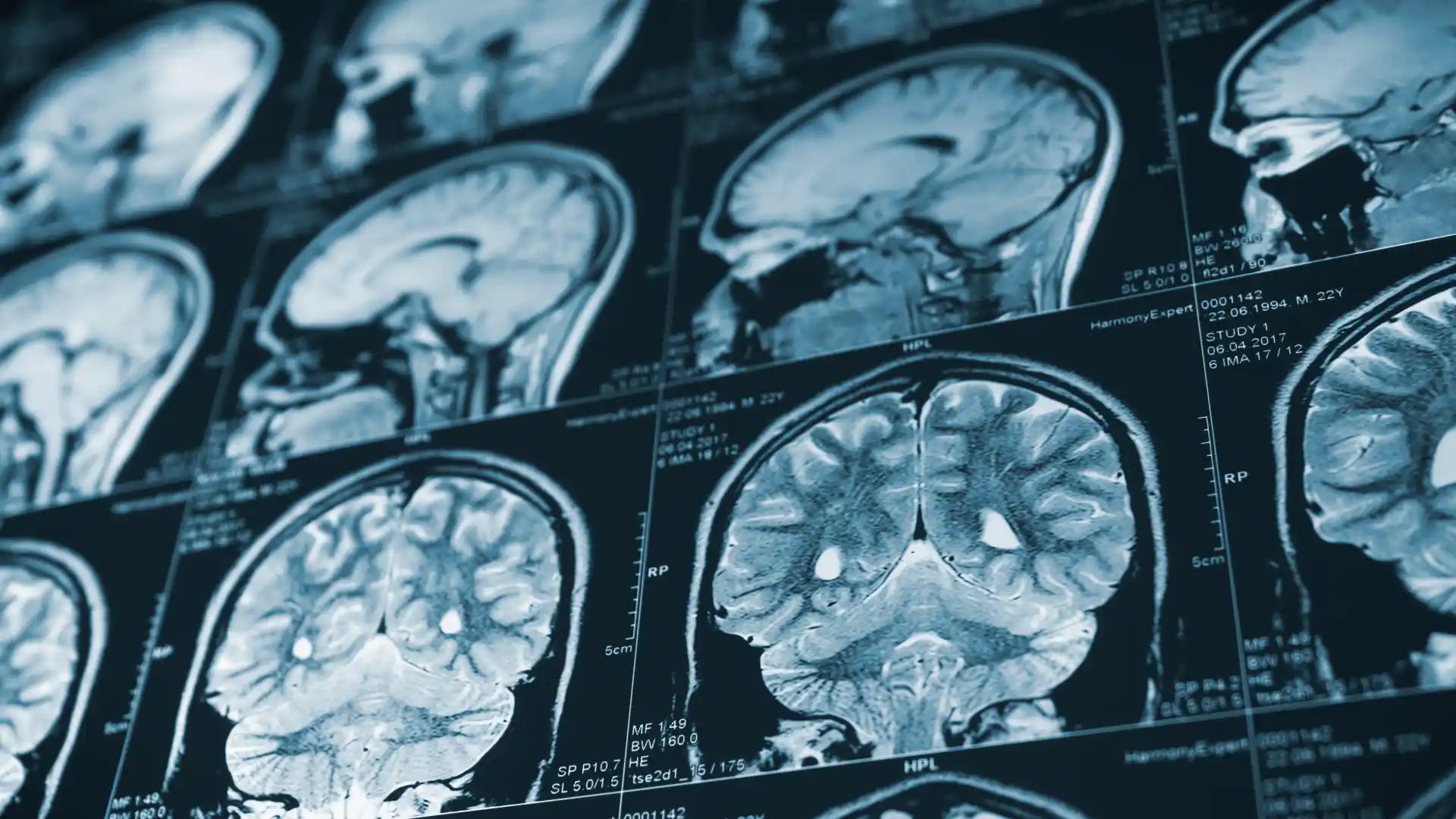
A traumatic brain injury does not always announce itself. Many people walk away from a crash conscious and talking, decline the ambulance, and only notice over the following days that something is wrong: a headache that will not lift, trouble holding a thought, a temper they did not have before. The CDC puts it plainly: some symptoms of a mild traumatic brain injury or concussion appear right away, while others may not appear for hours or days after the injury.
Hulburt Law Firm represents people with serious brain injuries in San Diego County. Our San Diego brain injury attorneys see the same pattern in case after case: the injury was real, but the early record was thin because nobody knew what to look for. This guide explains the symptoms by category, which ones are emergencies, why some show up late, and what to tell your doctors so the injury is documented properly.
How Brain Injury Symptoms Develop
A traumatic brain injury (TBI) is damage to the brain caused by an outside force: a blow to the head, or a sudden jolt that makes the brain move inside the skull. A concussion is a mild TBI. You do not have to hit your head or lose consciousness to sustain one; a sudden whiplash motion in a collision can injure the brain without any direct blow.
Symptoms fall into four groups: physical, thinking and memory, emotional and behavioral, and sleep. Many people have symptoms from more than one group, and different types of traumatic brain injury tend to produce different patterns. The sections below describe what each symptom looks like in daily life.
Physical Symptoms
Physical symptoms are usually the first noticed and the easiest to blame on general soreness from the accident. The CDC lists headaches, dizziness or balance problems, early nausea or vomiting, fatigue, vision problems, and sensitivity to light or noise.
Headaches
Headache is one of the most common symptoms after a brain injury, ranging from a dull constant pressure to sharp, migraine-like pain. What matters medically is the pattern. A headache that gradually eases over a few days is the more common course. A headache that is getting worse, that wakes you from sleep, or that comes with repeated vomiting is a danger sign; see the emergency section below.
Dizziness and Balance
Feeling lightheaded when you stand, a spinning sensation, or bumping into door frames in your own home can be signs that the systems controlling balance have been affected. These symptoms occur after concussions and more serious injuries alike, and in some people they last weeks or longer.
Fatigue and Sleep Changes
Fatigue after a brain injury is different from ordinary tiredness. People describe sleeping far more than usual and still waking exhausted, or the opposite: trouble falling asleep and sleeping less than usual. Either direction is worth reporting.
Light, Noise, and Vision
Sensitivity to light and sound is one of the symptoms that most disrupts ordinary life: fluorescent office lighting, a crowded restaurant, or a car radio can become hard to tolerate. Blurred or double vision, trouble focusing, and difficulty tracking moving objects are also common. If you drive for a living, operate machinery, or work at a screen all day, mention vision changes to your doctor specifically.
Thinking and Memory Symptoms
Cognitive symptoms are the ones most often missed, because they are invisible from the outside and the injured person may not notice them until a familiar task suddenly feels hard. The CDC groups them as attention problems, feeling slowed down or foggy, memory problems, and trouble thinking clearly. In daily life, that looks like:
- Memory. Forgetting appointments, losing the thread of a conversation, reading the same paragraph several times without retaining it. Some people cannot remember the moments before the crash, or the hours after it.
- Attention and processing speed. Multi-step instructions, reading, and basic math take real effort and drain quickly; many people describe a budget of mental energy that runs out by early afternoon.
- Confusion. Feeling foggy, getting lost somewhere familiar, or losing track of the day. Confusion right after the accident is a classic sign of concussion; confusion that continues for weeks may indicate a more significant injury and should be evaluated.
- Planning and decisions. Trouble organizing the day, prioritizing tasks at work, or making decisions that used to be routine. Doctors call this executive function. Deficits here are easy to miss because the person can look and sound normal while working far below their previous level.
Emotional and Behavioral Changes
These are often the symptoms families notice first and the ones hardest for the injured person to see in themselves. The CDC lists anxiety or nervousness, irritability or being easily angered, feeling more emotional, and sadness among the social and emotional symptoms of mild TBI.
Irritability and Mood Swings
A short temper that was not there before, snapping at your children or spouse, going from calm to furious over small frustrations. This is a neurological symptom, not a character flaw. The Model Systems Knowledge Translation Center, a federally funded TBI research program, notes that family members often describe the person as having a short fuse, and that the injured person may not realize they seem angrier to others. That is why a spouse or parent is often the first to know something is wrong.
Depression and Anxiety
Depression is common after a brain injury and is not simply a reaction to a bad event. The Model Systems depression factsheet reports that about 27 percent of people with a TBI meet the criteria for major or persistent depression, and that more than half of those who are depressed also have significant anxiety. Both the injury itself and the strain of living with new limits can contribute. Depression after a brain injury is treatable, and treating it supports the rest of recovery.
Personality Changes
A patient, easygoing person becomes impulsive. An engaged parent becomes withdrawn. Changes like these can be associated with injury to the parts of the brain that regulate behavior, and they can strain marriages and families more than any physical symptom. Our guide to the long-term effects of traumatic brain injury covers what families can expect over time.
Symptoms That Appear Later
Feeling fine at the scene does not mean you are uninjured. Three different things can make a brain injury show up late.
Symptoms noticed late. Adrenaline and the disruption of an accident can mask symptoms for hours, and some cognitive and emotional changes are not noticed until the person returns to work or family life and runs into tasks they can no longer do.
Complications that develop late. A chronic subdural hematoma is slow bleeding between the brain and its outer covering. MedlinePlus, the National Library of Medicine’s patient resource, notes that this type of bleed may go unnoticed for many days after a head injury and is seen more often in older adults; headache, confusion, drowsiness, and weakness are the signs to watch for. Seizures are a separate complication rather than a typical concussion symptom. The Model Systems seizure factsheet reports that about one in ten people hospitalized after a TBI will have a seizure, most in the first days or weeks, though some occur months or years later. Any first seizure needs prompt medical attention.
Symptoms that persist. Many people recover from a concussion within a few weeks. For some, headaches, fog, irritability, and sleep problems continue for months or longer. The CDC notes that in children, lasting symptoms can affect behavior, mood, memory, or emotions for months and can follow a child into adulthood.
Our guide to delayed concussion symptoms after an accident covers how long symptoms can take to appear and what a delay means for a claim.
Emergency Warning Signs
Call 911 or go to the nearest emergency department if you or someone with you has any of the following after a head injury. The CDC lists these as danger signs in adults:
- A headache that gets worse and does not go away
- Weakness, numbness, decreased coordination, convulsions, or seizures
- Repeated vomiting
- Slurred speech or unusual behavior
- One pupil larger than the other
- Inability to recognize people or places, or growing confusion, restlessness, or agitation
- Loss of consciousness, looking very drowsy, or inability to be woken up
These signs can mean bleeding or swelling inside the skull. Do not wait to see whether they improve.
In San Diego County, serious head injuries are usually taken to a designated trauma center, such as Scripps Mercy or UC San Diego Medical Center in Hillcrest, and children to Rady Children’s Hospital. If you call 911, paramedics choose the destination.
Symptoms in Children
Young children cannot describe a headache or fog, so parents have to watch behavior. The CDC’s HEADS UP program lists signs by age group. For infants, toddlers, and preschoolers: crying more than usual or wanting to be held, refusing to nurse or eat, sleeping more or less than usual, not wanting to play, more tantrums or sadness, vomiting right after the injury, and appearing dazed or unusually clumsy.
For school-age children and teenagers: appearing dazed or confused about recent events, sudden trouble remembering or concentrating, answering questions more slowly, seeming unsteady, and changes in mood, behavior, or personality. A drop in school performance in the weeks after an accident is worth raising with the pediatrician.
Because children’s brains are still developing, the CDC cautions that lingering symptoms can affect a child as they grow up and even into adulthood. Our guide for families on children and traumatic brain injury covers the medical and legal questions specific to pediatric cases.
What to Tell Your Doctor
Symptoms can only be treated, and later evaluated, if a doctor knows about them. After any accident involving force to the head or a violent jolt, get evaluated even if you feel fine, and then be specific at every visit.
- Report every symptom, not just the worst one. Headache gets mentioned; irritability, fog, and sleep changes often do not. Mention all of them, including the ones that feel minor.
- Describe what you can no longer do. “I get headaches” is less useful than “I had to leave work early three times this week because of headaches.” Describing how symptoms affect daily life gives the doctor a clearer picture than a symptom name alone.
- Bring the person who knows you best. Because a brain injury can blunt your ability to see your own changes, ask your spouse, parent, or close friend to come to appointments and describe what they have noticed. Their observations belong in the chart, in the doctor’s words.
- Keep every referral. If the emergency department refers you to a neurologist, go. If the neurologist orders neuropsychological testing, do it. Continuous care produces an accurate record of how the injury is progressing; long gaps leave that record incomplete.
The most reliable record of your symptoms is the one your treating providers keep, so make sure everything you and your family notice reaches them. If you are considering writing down symptoms yourself for purposes of a claim, talk with your lawyer first; records created outside the medical chart can be requested by the other side in a lawsuit.
Imaging has limits. The National Institute of Neurological Disorders and Stroke explains that a CT scan can show a skull fracture and any brain bruising, bleeding, or swelling, while MRI is more sensitive and can pick up more subtle changes. A normal CT scan does not mean there is no concussion; it means the fractures, bleeding, and swelling CT is designed to find were not present.
Cognitive symptoms are measured by neuropsychological testing, a set of standardized tests of memory, attention, processing speed, and executive function. Our article on how brain injuries are diagnosed explains what each test is for.
Symptoms and Your Injury Claim
In a California injury case you must prove that the other party’s negligence was a substantial factor in causing your harm. CACI No. 430, the jury instruction courts use, explains that a substantial factor is more than a remote or trivial one; it does not have to be the only cause. For a brain injury, that connection is made through the medical record: when symptoms were first reported, what the treating doctors found, and how the condition changed over time. Symptoms documented close in time to the injury are generally easier to evaluate and connect to the accident than symptoms first reported months later.
The general deadline to file a personal injury lawsuit in California is two years, subject to important exceptions, under Code of Civil Procedure § 335.1. Do not assume that symptoms appearing late move that deadline, and note that a claim against a public entity has a much shorter claim deadline. Our guide to the steps to take after a brain injury walks through the deadlines and the first-month decisions.
Hulburt Law Firm
Conor and Leslie Hulburt handle catastrophic injury cases, including traumatic brain injuries from car, motorcycle, pedestrian, and construction accidents. In a brain injury case our work starts with the medical evidence: understanding what the treating doctors found, working with the specialists who can explain it, and documenting what the injury has changed in our client’s life.
If you or someone you love was seriously hurt in an accident in San Diego, Hulburt Law Firm can help. Call (619) 821-0500 or message us through our contact form for a free, confidential case review. There is no fee unless we win.
Related Resources
Request a Free Case Review
Simply fill out the form or call 619.821.0500 to receive a free case review. We’ll evaluate what happened, your injuries, and potential defendants to determine how we can best help you.

Hulburt Law Firm handles serious personal injury and wrongful death cases throughout San Diego County.


