
What Is an Attractive Nuisance in California?

Property owners in California (including those in San Diego) have a duty to maintain safe conditions on their premises. This responsibility extends to children who may be drawn to certain hazardous conditions, known as attractive nuisances, even if they are trespassing. But what exactly qualifies as an attractive nuisance, and how does this legal doctrine impact real-life cases? Our San Diego premises liability attorneys explain. Injuries to minors also follow their own procedural rules, which we cover on our San Diego child injury attorney page.
Understanding the Attractive Nuisance Doctrine
The attractive nuisance doctrine is a legal principle that holds property owners liable for injuries to children caused by hazardous conditions on their land, even if the child was trespassing. The rationale behind this rule is that children may not recognize the dangers posed by certain hazards and should be afforded extra legal protection. Since Rowland v. Christian (1968) 69 Cal.2d 108, California has folded these considerations into its general negligence analysis under Civil Code section 1714, so the doctrine survives as a set of foreseeability factors rather than a separate rule.
Can a Property Owner Be Held Responsible for Injuries Caused by an Attractive Nuisance?
Yes. Under California law, a property owner can be held liable for injuries caused by attractive nuisances on their property. If a child enters a property because of an attractive nuisance and is injured by that nuisance, the child can sue the property owner for compensation if the following conditions are met:
- The property owner knows or should know that children are likely to trespass
- The landowner knows or should know the nuisance involves an unreasonable risk of death or serious harm to a child
- Children can be unlikely to realize the danger they are in by coming near the nuisance
- The burden on the property owner of protecting against the danger is minimal compared to the risk to children
- The landowner fails to take reasonable measures to eliminate the danger or protect children from harm
(Garcia v. Soogian (1959) 52 Cal.2d 107, 110.)
“A possessor of land is subject to liability for bodily harm to young children trespassing thereon caused by a structure or other artificial condition which he maintains upon the land, if the place where the condition is maintained is one upon which the possessor knows or should know that such children are likely to trespass.” (Garcia, at 110.)
Consult with an experienced premises liability attorney to determine whether the conditions are met for a lawsuit against a property owner.
California Courts Evaluate Attractive Nuisance Cases Based on Principles of Negligence
California courts analyze cases involving injured children under the broad rules of premises liability and negligence. The key question in these cases is whether the property owner failed to exercise reasonable care in maintaining their property, particularly when it was foreseeable that a child could be harmed.
For example, in Reynolds v. Willson (1958) 51 Cal.2d 94, the court found a property owner liable for injuries sustained by a child who was burned while playing near an incinerator. The court reasoned that the owner should have anticipated that children might be attracted to the hazardous condition.
In Beauchamp v. Los Gatos Golf Course (1969) 273 Cal.App.2d 20, the court considered whether a property owner could be responsible for failing to fence off an area that posed risks to children. The case reaffirmed that while California does not strictly adhere to the traditional attractive nuisance doctrine, foreseeability of harm and reasonable steps to prevent injury remain key factors in determining liability.
Finally, in McDaniel v. Sunset Manor Co. (1990) 220 Cal.App.3d 1, parents sued their landlord when their child almost drowned in a nearby creek after wandering through a hole in a fence separating their apartment building from the creek. In allowing recovery for the child’s off-site injuries, the court found the landlord had a duty to keep the fence on its property in good condition.
A property owner’s duty to maintain their property in a safe condition extends to children who may enter the property, whether by invitation or trespass. Children are not held to the same standards of behavior as adults. A property owner must anticipate how children may interact with the property and take reasonable steps to protect them from harm.
Examples of Attractive Nuisances
Although California law does not explicitly use the term “attractive nuisance,” certain hazardous conditions have been found to create liability risks for property owners, especially when children are involved. These conditions fall under the broader category of premises liability cases. Common examples include:
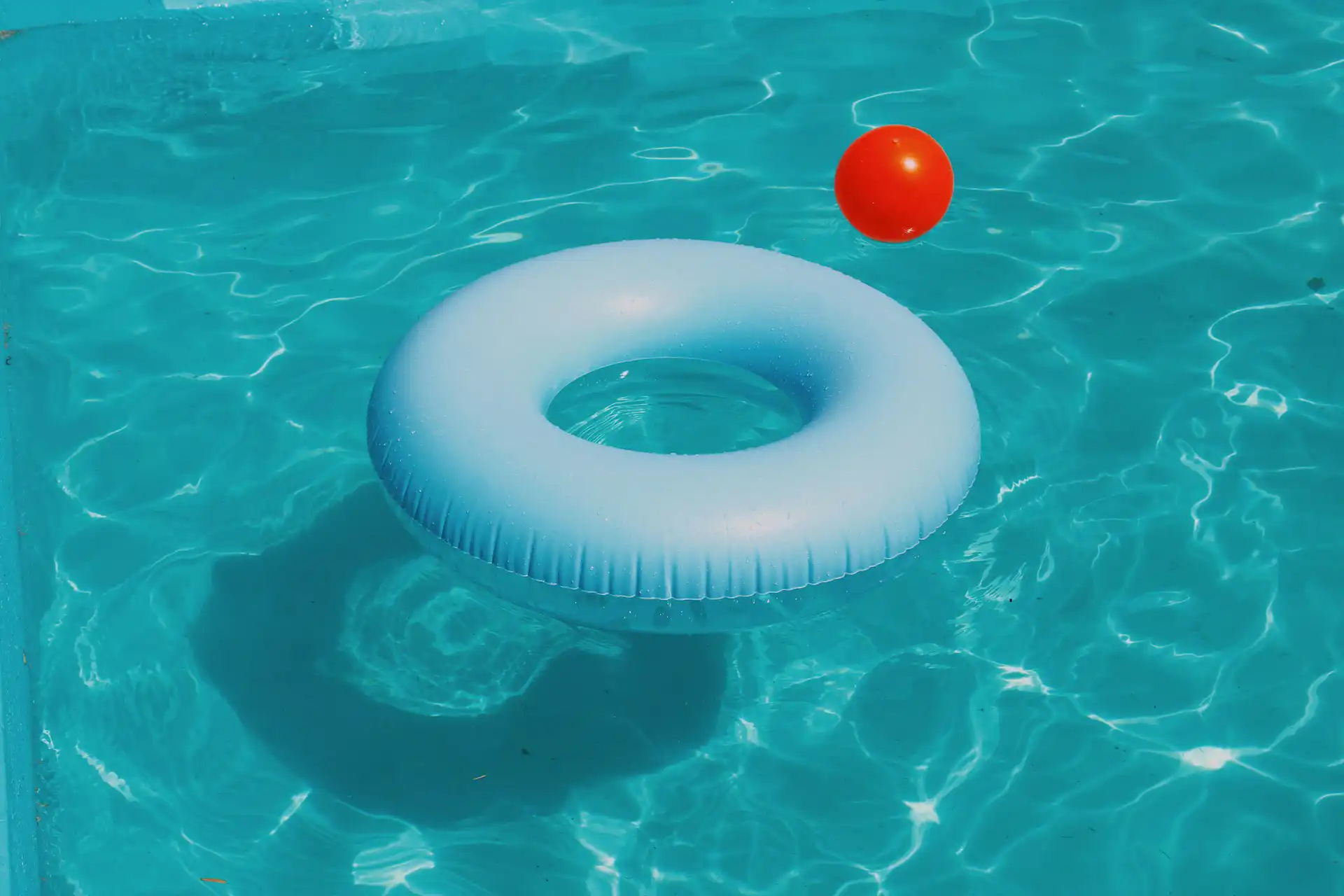
- Swimming Pools: Unfenced or unsecured pools pose drowning hazards to young children who may wander onto a property.
- Trampolines: Unfenced trampolines can attract children and lead to injury.
- Skateboard Ramps: An unattended skateboard ramp can invite children and lead to foreseeable injury.
- Construction Sites: Open trenches, scaffolding, power tools, and heavy machinery can attract curious children who may not understand the dangers.
- Abandoned Structures: An old structure, garage, or cabin can fall into disrepair and pose risks to children.
- Unattended Vehicles: A parked car with keys inside or an unlocked trunk can create serious risks for children who climb inside.
- Refrigerators or Appliances: Old refrigerators, freezers, or similar objects left outside can trap children inside, leading to suffocation.
- Exposed Electrical Equipment: Unsecured electrical boxes, power lines, or generators can be highly dangerous to children who might unknowingly touch them.
What Should Property Owners Do to Avoid Harm to Children?
To minimize the risk of liability for child injuries, property owners in California should take proactive safety measures, such as:
- Installing fences and gates around swimming pools, construction sites, or other hazardous areas.
- Locking dangerous equipment or keeping it out of children’s reach.
- Posting clear warning signs around potential dangers.
- Removing hazardous debris or abandoned appliances from the property.
- Ensuring adequate supervision when children are present on the premises.
Compensation for Children Injured by Attractive Nuisances in San Diego
When a child is injured by an attractive nuisance, the family may be entitled to significant compensation for their losses. Depending on the severity of the injuries, recoverable damages may include:
- Medical expenses: Emergency treatment, hospitalization, surgeries, and ongoing rehabilitation, including future medical costs for serious injuries like traumatic brain injuries, spinal cord damage, or near-drowning complications.
- Pain and suffering: Compensation for the child’s physical pain and emotional trauma resulting from the injury.
- Future care costs: Long-term therapy, adaptive equipment, and special education needs if the injury causes lasting impairment.
- Emotional distress for parents: A parent who is at the scene and aware that the child is being injured may recover for the emotional distress of witnessing it. (Thing v. La Chusa (1989) 48 Cal.3d 644.)
An important consideration in cases involving children is the statute of limitations. Under California Code of Civil Procedure §352, the statute of limitations is tolled for minors, meaning the clock does not start running until the child turns 18. This gives the child until their 20th birthday to file a personal injury claim. A parent’s own claim (for example, for medical expenses the parent paid) is generally subject to the standard two-year deadline, and when the property belongs to a public entity the six-month claim deadline under Government Code section 911.2 still applies, with late-claim relief for minors under sections 911.4 and 911.6 available only within one year. Any settlement of a minor’s claim must also be approved by the court through a minor’s compromise petition (Code of Civil Procedure section 372; Probate Code section 3600 and following), and the funds are usually placed in a blocked account under Probate Code section 3611. Consulting an attorney promptly is critical. Our page on child injury cases involving unsafe property and other hazards walks through these deadlines and the court-approval process in more detail.
In San Diego, attractive nuisance cases frequently involve unfenced residential swimming pools. California’s Swimming Pool Safety Act (Health and Safety Code section 115920 and following) requires new and remodeled residential pools to have at least two of seven approved drowning-prevention features, such as an enclosure with a self-closing, self-latching gate, yet many older properties remain non-compliant. The property owner’s homeowners insurance or liability policy typically provides the source of compensation in these cases, and an experienced attorney can identify all available coverage to maximize your recovery.
.webp)
Was Your Child Injured by an Unsafe Condition? The Truth Demands Justice
If your child has been injured due to a dangerous condition on someone else’s property, you have legal options. At Hulburt Law Firm, we understand how devastating these injuries can be and are committed to seeking justice for injured children and their families. Our experienced trial attorney, Conor Hulburt, has a proven track record of holding negligent property owners accountable. You can visit us at San Diego Premises Liability Attorneys to learn more about our approach to premises cases and our past results. Our child injury practice page covers how we handle serious injuries to minors across every type of case.
Contact us today for a free consultation at (619) 821-0500 to discuss your case. We will fight for the justice your child deserves because The Truth Demands Justice.
Related Content
Request a Free Case Review
Simply fill out the form or call 619.821.0500 to receive a free case review. We’ll evaluate what happened, your injuries, and potential defendants to determine how we can best help you.

Hulburt Law Firm handles serious personal injury and wrongful death cases throughout San Diego County.


