
Practice area
San Diego Motorcycle Accident Attorney
A serious motorcycle accident can change a rider’s life in an instant. Because riders have little protection from the force of a collision, these crashes often cause severe fractures, brain and spinal injuries, permanent disability, or death.
Hulburt Law Firm represents riders and families after serious and fatal motorcycle crashes throughout San Diego County. We investigate what happened, preserve key evidence, identify all responsible parties and insurance coverage, and work to show the full impact of the crash.
Injured in a motorcycle accident? Get help today.
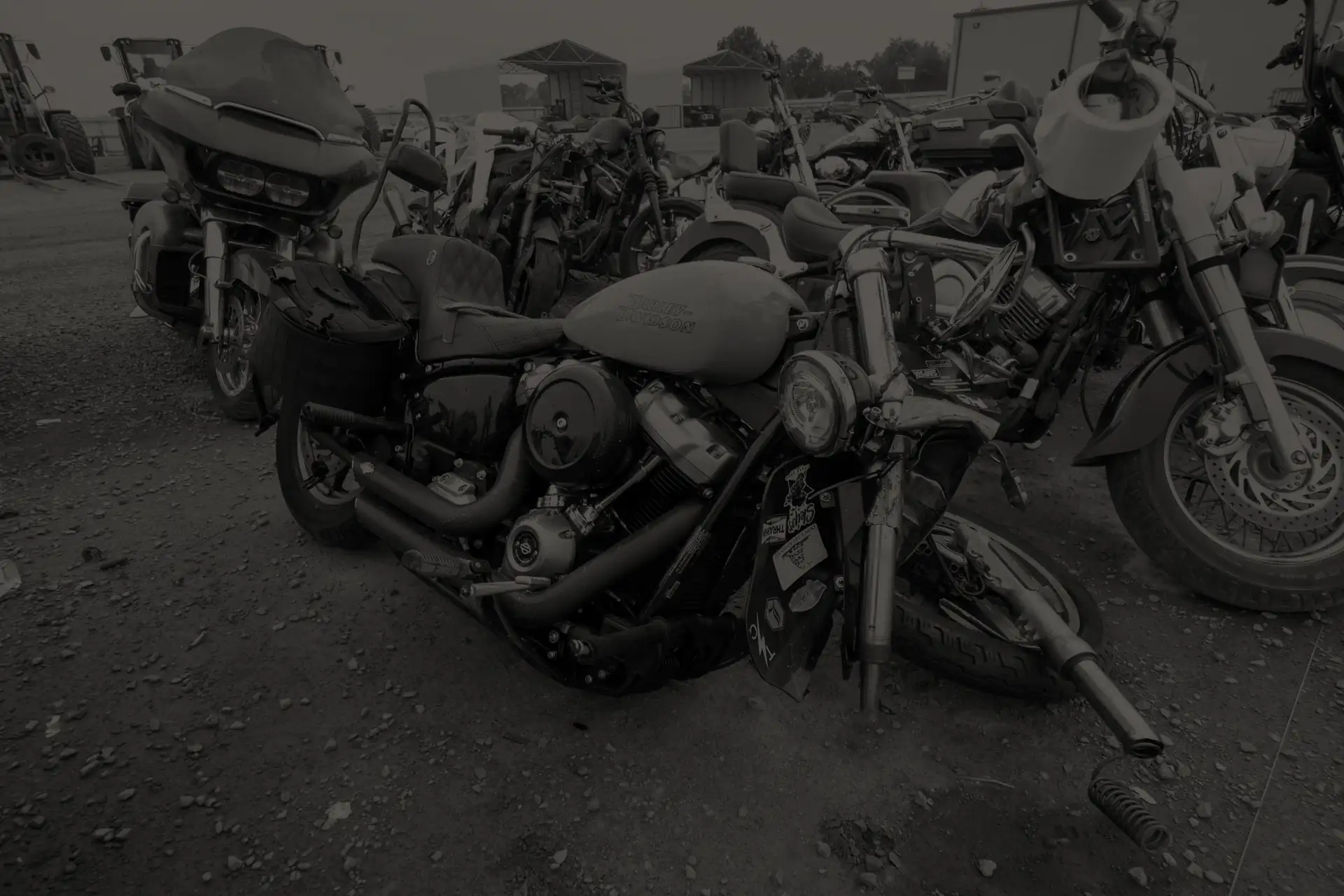
Motorcycle Accident Cases We Handle
Motorcycle crashes can happen in many different ways, and the type of collision often affects how the case should be investigated. Important issues may include the driver’s visibility, lane position, vehicle speed, turning movement, roadway condition, traffic video, motorcycle damage, and whether the rider was unfairly blamed.
Hulburt Law Firm represents riders and families after serious motorcycle crashes throughout San Diego County, including the types of cases listed here.
Left-Turn and Intersection Collisions
Lane-Change, Blind-Spot, and Lane-Splitting Crashes
Rear-End Collisions and Sudden Stops
Crashes Involving Drunk, Drug-Impaired, or Distracted Drivers
Hit-and-Run Motorcycle Crashes
Dangerous Roadway and Single-Vehicle No-Contact Motorcycle Crashes
Defective Motorcycle, Gear, or Vehicle Components
Motorcycle Accident Attorneys
Motorcycle accident cases often involve severe injuries, disputed fault, insurance coverage issues, and unfair assumptions about riders. Hulburt Law Firm is intentionally selective about the cases it accepts so each client receives focused attention, careful preparation, and direct communication throughout the case.
Conor leads the firm’s legal strategy and litigation with a focus on bringing the truth to light. He has recovered more than $150 million for clients in serious injury and wrongful death cases and has taken on major corporations, insurance companies, public entities, and national defense firms, including a $28.16 million jury verdict against Caltrans.
Leslie is committed to finding justice for people and families affected by serious injuries. She brings extensive litigation, mediation, and trial experience, and her background in journalism and elementary school education gives her a unique ability to uncover the truth, organize complex facts, and explain them clearly and persuasively.

Case Results
Our experienced attorneys have a proven track record of achieving extraordinary results in motor vehicle accident cases.
Dangerous Road
Jury verdict against Caltrans for a 13-year-old boy who suffered a catastrophic brain injury after he was struck by a vehicle while using a dangerous crosswalk.
Auto Defect
A sudden tire failure caused an SUV to fishtail and crash into a tree on the side of a San Diego County highway, killing a beloved husband and father.
Wrongful Death
An event producer’s negligence led to a participant’s death in a vehicle collision.
Aviation Accident
A defective airplane engine ignition component caused a deadly crash in San Diego.
Construction Truck Accident
A dump truck driver failed to "get out and look" before backing up into a construction worker, crushing his leg against a bulldozer.
Motorcycle Accident
A careless driver swerved into a motorcycle on the I-8 freeway in San Diego, causing him to crash and suffer serious injuries.

How a San Diego Motorcycle Accident Case Works
Free Case Review
During your free case review, we listen to what happened, what injuries you are facing, and what questions you have. We review any information already available, such as police reports, photographs, medical records, helmet-camera footage, and insurance letters, and give you an honest assessment of whether a motorcycle accident claim may make sense under California law.
Early Investigation
We move quickly to investigate the crash and preserve key evidence. That may include documenting the scene, motorcycle, vehicles, helmet, and riding gear; obtaining police or CHP reports; interviewing witnesses; and preserving traffic-camera, dash-camera, security, or helmet-camera footage. Early investigation matters because video can be erased, vehicles can be repaired or destroyed, roadway conditions can change, and physical evidence can disappear.
Motorcycle Experts
Next, we investigate how and why the crash happened. Depending on the case, we may work with accident reconstructionists, motorcycle safety experts, roadway experts, medical specialists, life-care planners, economists, and other professionals. Their work can help explain issues such as visibility, speed, braking, lane position, lane splitting, roadway conditions, the extent of the injuries, and the rider’s future needs.
Responsible Parties & Insurance
Motorcycle crashes may involve more than one responsible party or insurance policy. We evaluate the conduct of drivers, employers, vehicle owners, public entities, contractors, manufacturers, and others who may have contributed to the crash. We also identify all potentially available insurance coverage, including liability, commercial, umbrella, uninsured or underinsured motorist, and other applicable policies.
Settlement negotiations
Once the evidence has been developed, we present how the crash happened and document its full impact, including medical care, lost income, pain, physical limitations, and changes to daily life. We handle communications with insurance companies and defense lawyers, challenge efforts to unfairly blame the rider, keep you informed about offers, and help you evaluate whether a proposed settlement is fair.
Litigation & Trial Representation
If the responsible parties and insurers are unwilling to resolve the case fairly, we are prepared to file a lawsuit. Litigation may involve written discovery, depositions, expert work, motions, mediation, and trial preparation. At trial, we use testimony, documents, expert analysis, physical evidence, and visual presentations to clearly show how the crash happened, why the defendant is responsible, and how the collision affected the rider and family.
California Motorcycle Accident Law: Fault, Insurance, and Deadlines
California motorcycle accident cases may involve driver negligence, comparative fault, helmet and lane-splitting issues, insurance coverage, damages, and strict filing deadlines. The overview below explains some of the legal issues that may matter after a serious motorcycle accident in San Diego.
Fault and Comparative Negligence in California Motorcycle Crashes
Helmet Requirements and Their Impact on Claims
California Motorcycle Insurance Requirements
Compensation After a Motorcycle Accident in California
Deadlines to File a Motorcycle Accident Claim in California
The Hulburt Law Difference

In-Depth Investigations
We investigate the crash scene, motorcycle and vehicle damage, witnesses, video, roadway conditions, insurance coverage, and other key evidence.

Tech-Forward Approach
Motorcycle cases often involve digital evidence, expert analysis, and visual presentation. We use technology to make complex crash evidence clear.

Maximum Compensation
Defense attorneys and insurance companies know us and respect us. We assess the full extent of your damages and pursue all responsible parties.

The Right Experience
Hulburt Law Firm focuses on serious injury and wrongful death cases involving motorcycle crashes, dangerous roads, commercial vehicles, vehicle defects, and catastrophic injuries.

Genuine Care
A serious motorcycle crash can overwhelm a rider or family. We keep clients informed, prepare carefully, and take the time to understand how the crash has affected their health, work, family, and future.
Motorcycle Accident FAQs
What should I do after a motorcycle accident in San Diego?
How do I know if I have a motorcycle accident case, and do I need a lawyer?
What is the average settlement for a motorcycle accident in California?
Should I file an insurance claim or talk to a lawyer first?
What should I avoid saying to the insurance company after a motorcycle crash?
What evidence is most important in a California motorcycle accident case?
Who can be held responsible for a motorcycle crash in California?
What if I was a passenger on the motorcycle?
What types of compensation can I recover after a motorcycle accident?
Is lane splitting legal in California?
What if the other driver does not have enough insurance?
Can I still recover compensation if I was partly at fault for the motorcycle crash?
What if a loved one was killed in a motorcycle accident?
How much does it cost to hire Hulburt Law Firm?
Serving Clients Across San Diego County
Motorcycle crashes happen throughout San Diego County, from congested freeways and urban intersections to coastal highways, mountain roads, and neighborhood streets.
Hulburt Law Firm represents riders and families after serious motorcycle accidents across San Diego County, including San Diego, Chula Vista, National City, La Mesa, El Cajon, Santee, Poway, Escondido, Oceanside, Carlsbad, Encinitas, and surrounding communities.

Request a Free Case Review
Simply fill out the form or call 619.821.0500 to receive a free case review. We’ll evaluate what happened, your injuries, and potential defendants to determine how we can best help you.

Hulburt Law Firm handles serious personal injury and wrongful death cases throughout San Diego County.


