
San Diego Motorcycle Laws: What Riders Need to Know

Understanding San Diego motorcycle laws is essential for every rider. The city’s scenic highways and mild climate make it an ideal place for motorcycle enthusiasts, but riding in California comes with strict laws and regulations designed to protect motorcyclists and other road users. Whether you’re a seasoned rider or just getting started, knowing these rules can help you stay safe and avoid costly fines or legal trouble.
Here’s a breakdown of key motorcycle laws and regulations in San Diego, including helmet laws, licensing requirements, lane-splitting rules, and safety regulations. Our San Diego motorcycle accident attorneys see these rules come up in nearly every rider case, usually when an insurer tries to use one against the rider.
1. Helmet Laws: Do You Have to Wear One?
California’s Universal Helmet Law (CVC 27803)
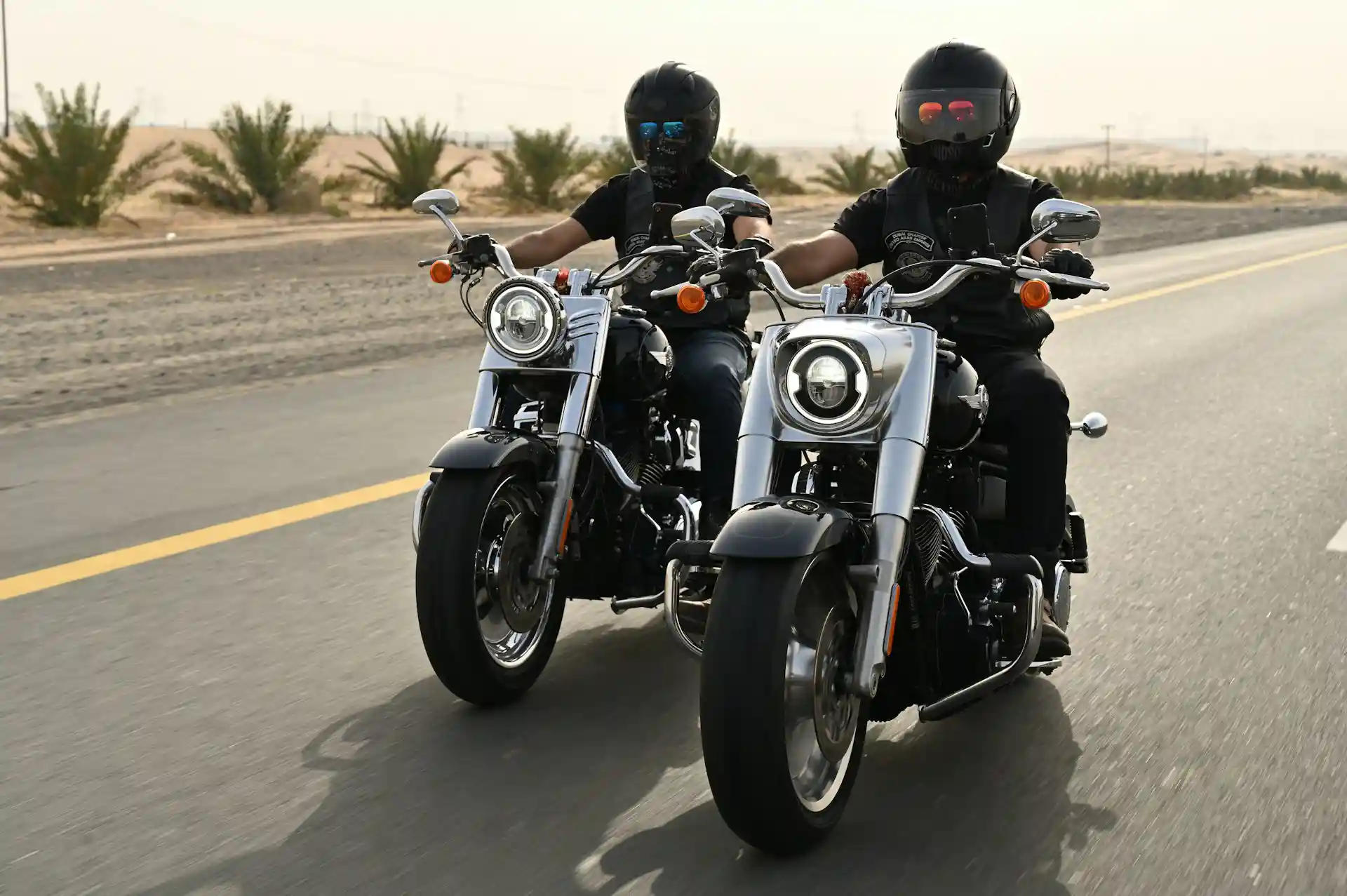
California has one of the strictest helmet laws in the country. Under California Vehicle Code (CVC) 27803, all motorcycle riders and passengers are required to wear a U.S. Department of Transportation (DOT)-approved helmet at all times while riding.
Why Helmets Are Required:
- Helmets reduce the risk of fatal head injuries by nearly 37%.
- They protect against traumatic brain injuries in crashes.
- Non-compliance can result in fines and possible license suspension.
Failing to wear a helmet is considered a primary offense, meaning law enforcement can stop you and issue a ticket for not complying.
2. Motorcycle Licensing Requirements in California
Do You Need a Special License to Ride a Motorcycle?
Yes. In California, riders must obtain a motorcycle license (M1 or M2 endorsement) to legally operate a motorcycle.
Types of Motorcycle Licenses:
- M1 License: Allows you to operate any type of motorcycle, including motorized scooters and mopeds.
- M2 License: Only permits you to ride motorized bicycles and mopeds, but not full-sized motorcycles.
How to Get a California Motorcycle License (M1):
- Be at least 16 years old (with parental consent if under 18).
- Pass a vision test and written exam at the DMV.
- Complete a California Highway Patrol (CHP) approved motorcycle training course if under 21.
- Take and pass the DMV motorcycle skills test (or present a motorcycle training course completion certificate).
- Pay the licensing fee and obtain your M1 endorsement.
Riders under 18 must complete a California Motorcyclist Safety Program (CMSP) course before obtaining a license.
3. Lane-Splitting: Is It Legal in San Diego?
Yes, Lane-Splitting is Legal in California (CVC 21658.1)
California is the only U.S. state where lane-splitting is explicitly legal. Lane-splitting refers to riding between lanes of slow-moving or stopped traffic.
Lane-Splitting Safety Guidelines:
- Ride at a safe speed (excessive speed increases accident risk).
- Avoid splitting near large vehicles (trucks and buses may not see you).
- Use caution in congested traffic (careless drivers may suddenly change lanes).
- Never lane-split in dangerous conditions (wet roads, poor visibility, or reckless drivers).
The California Highway Patrol (CHP) advises motorcyclists to lane-split at speeds no more than 10-15 mph faster than surrounding traffic for safety.
4. Motorcycle Equipment Requirements: What’s Legally Required?
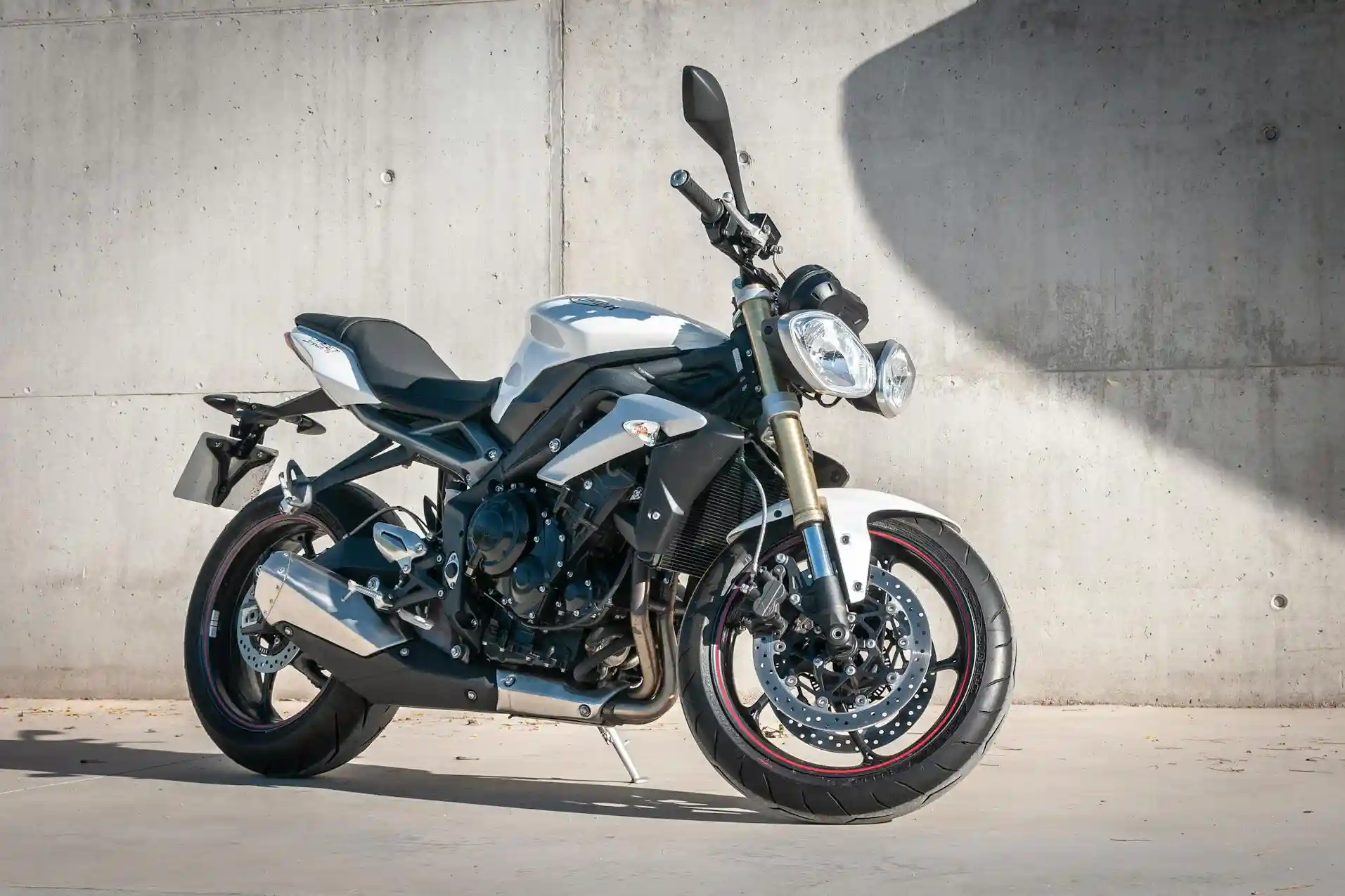
California law mandates that motorcycles must meet specific safety and equipment standards to be road-legal.
Required Equipment for Motorcycles in California:
- Headlights: Must be on at all times (even during the day).
- Rearview Mirrors: At least one mirror is required (preferably two).
- Turn Signals: Mandatory for motorcycles built after 1973.
- Muffler: Must comply with California’s noise restrictions (CVC 27202).
- Footrests & Handlebars: Passengers must have dedicated footrests, and handlebars cannot be higher than the rider’s shoulders.
Exhaust Noise Limits:
- California enforces strict noise limits on motorcycle exhaust systems.
- Modifying or removing the muffler to make a motorcycle louder is illegal.
Failure to comply with these equipment laws can result in citations and fines.
5. Passenger Laws: Can You Carry a Passenger?
Yes, but there are rules. If you carry a passenger on your motorcycle, you must:
- Have a designated passenger seat (no riding on the back fender).
- Ensure your passenger has footrests to keep their feet securely on the bike.
- Make sure your passenger wears a DOT-approved helmet.
Passengers must be able to hold on to the rider or handlebars safely. Small children who cannot do so should not be passengers.
6. DUI Laws for Motorcyclists in California
Riding Under the Influence is a Serious Crime
Motorcyclists are subject to the same DUI laws as drivers of other motor vehicles.
Legal Blood Alcohol Concentration (BAC) Limits:
- 0.08% or higher = Illegal for riders 21 and over.
- 0.01% or higher = Illegal for riders under 21.
- 0.04% or higher = Illegal for commercial motorcyclists.
A DUI conviction can result in:
- License suspension (6 months for first-time offenders).
- Fines up to $1,000.
- Mandatory DUI education courses.
- Jail time for repeat offenders.
DUI-related motorcycle crashes often result in severe or fatal injuries, making it crucial to never ride impaired.
7. Traffic Citations After a Motorcycle Crash: How They Affect Your Claim
If you’re involved in a motorcycle accident and receive a traffic citation at the scene, it’s important to understand that receiving a citation does not automatically mean you were at fault in a civil personal injury case. While a traffic citation is evidence that law enforcement believes you violated a traffic law, it is not conclusive proof of negligence in a civil lawsuit.
The Difference Between Traffic Violations and Civil Liability
A traffic court and a personal injury trial apply different standards. In traffic court, the prosecution must prove the violation beyond a reasonable doubt. In a civil case, the standard is lower: the plaintiff must prove fault by a preponderance of the evidence (more likely than not). Additionally, a traffic court judge may find you liable for a traffic infraction while a jury in civil court could still find you bear less responsibility than the other party.
California’s Comparative Negligence Rule
California follows the pure comparative negligence rule, established in Li v. Yellow Cab Co. This means that even if you received a traffic citation, you can still recover damages in a personal injury lawsuit. Your recovery is simply reduced by your percentage of fault. For example, if you were cited for speeding but the other driver made an unsafe lane change that caused the crash, you may still be able to recover damages minus your proportional responsibility.
Challenging Inaccurate Police Reports
Police officers typically arrive at the accident scene after the fact and rely on witness statements that may be biased or incomplete. They don’t always capture the full picture of how the crash occurred. If you believe the officer’s report is inaccurate or the citation was unjustified, you have the right to challenge it. This is where a motorcycle accident attorney becomes invaluable: they can investigate the crash, gather evidence, interview witnesses, and challenge the police report’s conclusions.
San Diego Scenarios: When Citations Mislead
Consider these common San Diego situations: A rider is cited for lane-splitting too aggressively on I-5, but the real cause of the crash was a driver’s sudden unsafe lane change. Or a rider is ticketed for an equipment violation when the actual cause was a pothole on a city-maintained road that Caltrans failed to repair. In both cases, the citation can mislead insurance companies and juries about who bears true responsibility. Understanding liability in motorcycle accident cases requires looking beyond the traffic citation to the underlying facts of the crash.
If you’ve received a citation after a motorcycle accident, don’t assume it will destroy your personal injury claim. Contact an attorney to review your case and discuss your options for recovery.
8. Motorcycle Insurance Requirements in San Diego
Minimum Insurance Coverage in California:
California law requires all motorcyclists to carry insurance with at least the following minimum liability coverage:
- $30,000 for injury or death to one person.
- $60,000 for injury or death to multiple people.
- $15,000 for property damage.
(California Insurance Code §11580.1b.)
Why You Should Carry Additional Coverage:
Since motorcycle accidents often result in serious injuries, basic coverage may not be enough to cover medical bills, lost wages, and damages. Consider uninsured/underinsured motorist (UM/UIM) coverage to protect yourself in case of an accident with an uninsured driver. If you’re involved in a crash, understanding the insurance claims process for motorcycle accidents can make a significant difference in your recovery.
Injured in a Motorcycle Accident? Hulburt Law Can Help.
Motorcycle accidents often result in catastrophic injuries, mounting medical bills, and lost wages. If you were injured due to a negligent driver, dangerous road conditions, or a defective motorcycle part, you may be entitled to compensation for your motorcycle accident injuries.
At Hulburt Law, our founding attorneys, Conor and Leslie Hulburt, have a proven track record of fighting for injured motorcyclists. We hold negligent parties accountable because The Truth Demands Justice. You can learn more at San Diego Motorcycle Accident Attorney.
If you’ve been injured in a motorcycle accident, don’t wait. Call (619) 821-0500 or contact us online for a free case evaluation. We’ll fight to get you the compensation you deserve.
Related Content
Request a Free Case Review
Simply fill out the form or call 619.821.0500 to receive a free case review. We’ll evaluate what happened, your injuries, and potential defendants to determine how we can best help you.

Hulburt Law Firm handles serious personal injury and wrongful death cases throughout San Diego County.


