
Practice area
San Diego Waymo Accident Attorney
Hulburt Law Firm represents people seriously injured in Waymo crashes throughout San Diego County, including riders, people in other vehicles, pedestrians, and cyclists. When a vehicle is driving itself, understanding what happened can require examining the technology behind its decisions. We work to preserve the evidence, identify who is responsible, and pursue compensation that accounts for your medical needs and the ways your injuries have changed your life.
Talk with an attorney about your Waymo accident.
Waymo Accident Cases We Handle
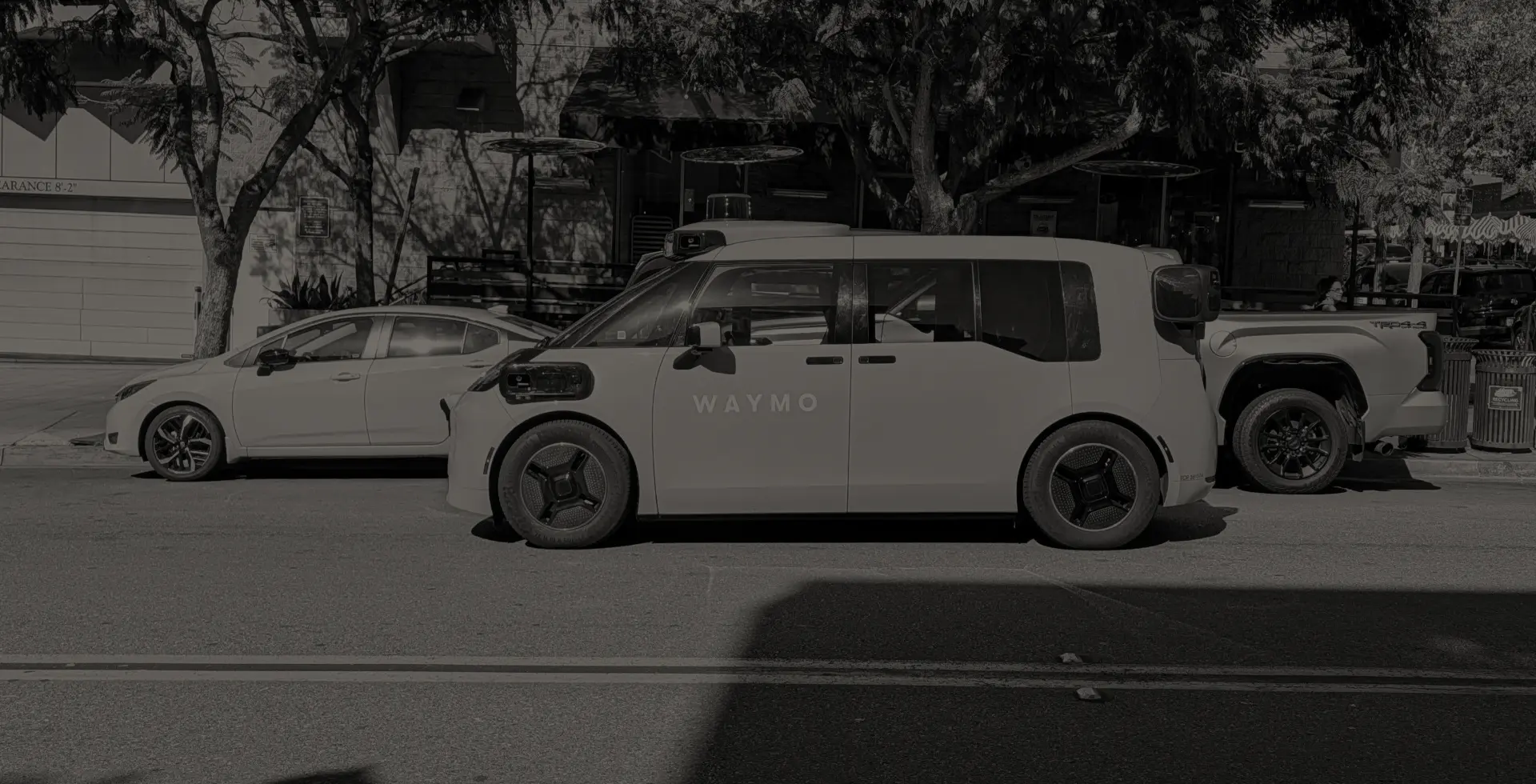
A Waymo crash may raise questions about what the vehicle detected, why it turned or stopped, and whether a person or an automated system was in control. Another driver’s actions or a dangerous road may also have contributed. As part of our San Diego car accident practice, we handle serious injury and wrongful death claims involving Waymo, including the situations below.
Injured Waymo Riders
Drivers and Passengers Hit by a Waymo
Pedestrians and Cyclists Struck by a Waymo
Sudden Waymo Stops and Roadway Obstructions
Injuries During Waymo Pickups and Drop-Offs
Waymo Vehicles With a Human Driver
Fatal Waymo Accidents
Meet Your Waymo Accident Attorneys
Conor and Leslie Hulburt founded Hulburt Law Firm to give serious injury and wrongful death cases the preparation and personal attention they require. We accept a limited number of cases so clients work directly with the attorneys responsible for their case.
Conor Hulburt has recovered more than $150 million for injured people and families in cases involving catastrophic injuries, dangerous roads, and defective products. His work includes claims against major vehicle manufacturers and government entities. Best Lawyers named him the 2027 San Diego Lawyer of the Year for plaintiffs’ product liability litigation, and he holds a Martindale-Hubbell AV Preeminent peer rating.
Leslie Hulburt brings extensive experience in litigation, arbitration, mediation, trials, and appeals. Her background in journalism and education informs her ability to investigate complicated facts and explain them clearly.
A Waymo claim may require both collision analysis and an examination of how a vehicle’s technology was designed and used. We bring our experience with serious crashes and defective products to that investigation, while keeping the focus on your recovery and the decisions you need to make.




Results in Serious Vehicle Collision Cases
Our attorneys’ prior vehicle collision and auto defect results include recoveries for people with life-changing injuries and families who lost a loved one.
Car Accident
Settlement for a client who suffered brain and spinal injuries in a collision on Interstate 5 in San Diego.
Auto Defect
A passenger seatback collapsed in a rear-end collision, causing the occupant life-changing spinal injuries and paralysis.
Fatal Car Accident
Campus security was speeding and collided with a student’s vehicle, killing her.

How a Waymo Accident Case Works
Free Case Review
We begin with what happened, the injuries you suffered, and the questions you need answered. A ride receipt, photographs, a police report number, or messages from Waymo can help. You do not need to know why the vehicle acted as it did before contacting us.
Preserving Vehicle Records
We seek preservation of relevant sensor data, camera recordings, trip information, and communications with remote support. We also look for witnesses and nearby video. A preservation demand puts the recipient on notice to retain evidence; obtaining the records may require formal discovery or other legal proceedings.
Investigating the Crash
We compare available vehicle records with roadway evidence and witness accounts. When appropriate, accident reconstruction and engineering experts help evaluate what the vehicle detected, how it responded, and whether a different response could have prevented the injury.
Documenting Your Losses
We examine the treatment you have received, the care you may need, and the effect of your injuries on work and daily life. Medical specialists, life-care planners, and financial experts may help establish the long-term consequences of a serious injury.
Evaluating Settlement
We present the evidence supporting your claim and negotiate with the responsible parties and their insurers. Before you decide whether to accept an offer, we explain the payment, the rights you would release, and any unresolved questions about future care. The settlement decision remains yours.
Litigation and Arbitration
If a fair resolution cannot be reached, we pursue the appropriate legal process. Depending on the parties and any enforceable agreement, that may involve a lawsuit or arbitration. We prepare the evidence for discovery, expert testimony, and a contested hearing or trial.
California Law and Your Waymo Claim
A driverless crash still requires proof of legal responsibility and the harm it caused. The investigation must establish how the vehicle was operating, what contributed to the collision, and which parties and insurance policies may respond. Without a human driver, the rideshare coverage rules explained on our Uber and Lyft accident pages are not the starting point.
More Than One Party May Be Responsible
Vehicle Data Can Be Critical Evidence
Rider Agreements May Affect the Legal Process
Sharing Fault Does Not Necessarily Bar Recovery
Compensation Should Account for the Full Injury
Deadlines Require Early Attention
The Hulburt Law Difference

In-Depth Investigations
We compare vehicle records, physical evidence, and witness accounts to build an independent explanation of the crash.

Tech-Forward Approach
We use expert analysis, timelines, and visual presentations to make complex vehicle evidence understandable.

Maximum Compensation
We investigate potential sources of recovery and document the future care, financial losses, and personal consequences of your injuries.

Trial Experience
Our experience in serious collision and product liability cases informs how we prepare evidence for settlement discussions, arbitration, or trial.

Personal Attention
You work directly with your attorneys and receive clear explanations of the decisions affecting your case.
Waymo Accident FAQs
What should I do after a Waymo accident?
Who can be held responsible if no one was driving?
Can I bring a claim if I was riding in the Waymo?
What if a Waymo caused a crash without hitting me?
Can I get the vehicle’s video and sensor data?
Should I accept an offer to pay my medical bills?
Will my Waymo injury claim go to arbitration?
What if my child or a guest was injured?
How much is my Waymo accident case worth?
What does it cost to hire a Waymo accident lawyer at Hulburt Law Firm?
Serving Clients Across San Diego County
Hulburt Law Firm helps people and families across San Diego County after serious Waymo accidents. From our San Diego office, we represent clients in downtown, the coastal communities, North County, East County, and the South Bay. We also assist visitors injured while traveling in the area.

Contact Us About Your Waymo Accident
If you or someone you love was seriously injured in a crash involving a Waymo, contact Hulburt Law Firm for a free case review. We will listen to what happened, explain which evidence needs attention, and discuss how we may be able to help.
Call 619.821.0500 or request a free case review.

Hulburt Law Firm handles serious personal injury and wrongful death cases throughout San Diego County.


