Hulburt Law Firm represents people seriously injured in Lyft accidents throughout San Diego County. Whether you were a passenger, driving another vehicle, walking, cycling, or driving for Lyft, we investigate what happened and identify the insurance available to cover your losses. Our attorneys work directly with you to understand how the injuries have changed your life and pursue full compensation for your harm.
Talk with an attorney about your Lyft accident.
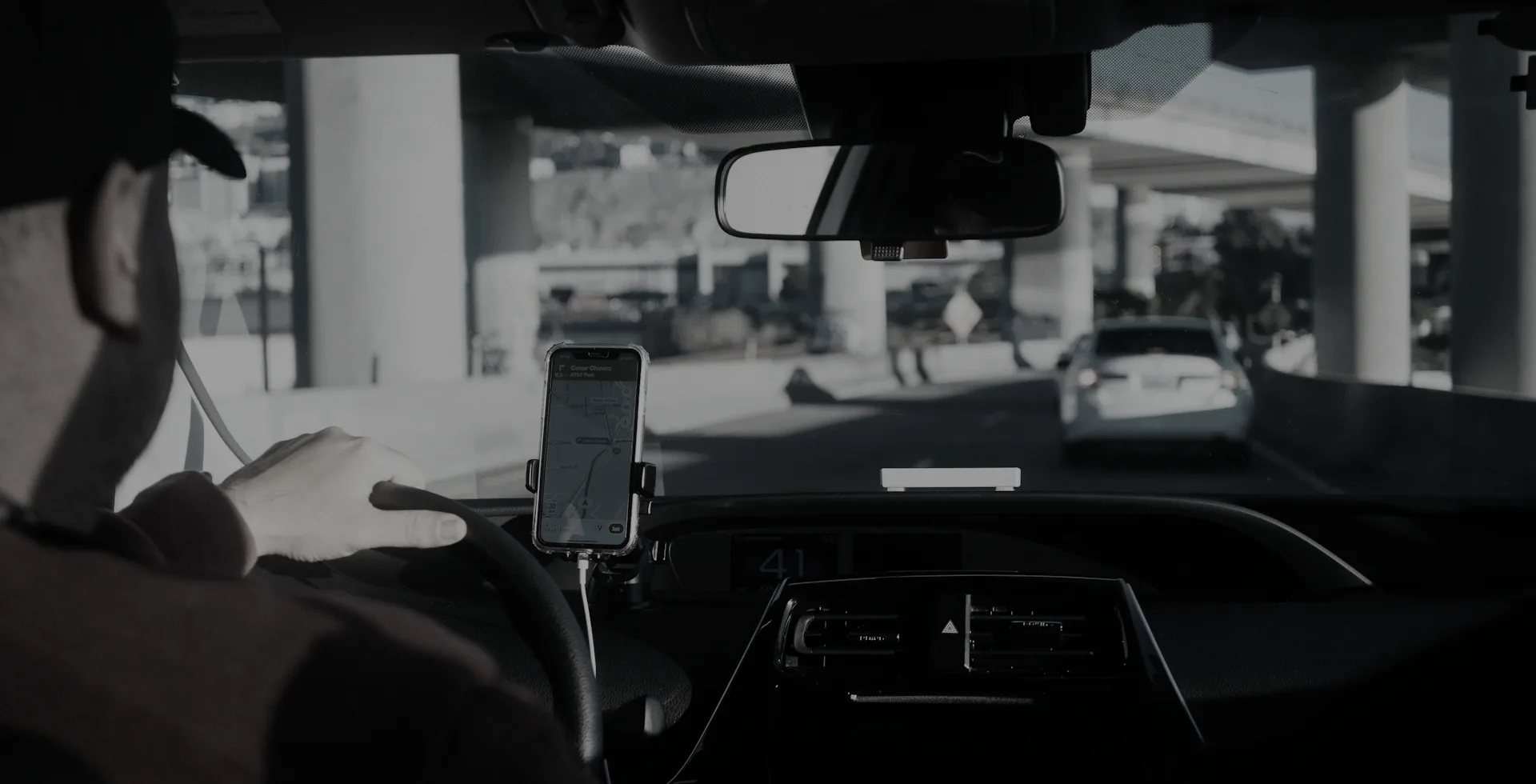
A Lyft collision can raise questions that do not arise in an ordinary car accident. Was the driver waiting for a request or already on the way to a pickup? Did another driver cause the crash? Was the Lyft vehicle a rental? Those details help determine who is responsible and which insurance applies. As part of our San Diego car accident practice, we handle serious injury and wrongful death claims involving Lyft, including the following.
A passenger may have a claim against the Lyft driver, another motorist, or both. We investigate the collision and connect it to the trip records, then identify the policies that may cover your injuries. If the responsible driver has little or no insurance, we also examine uninsured and underinsured motorist coverage.
A Lyft driver may cause a crash while looking at navigation, changing lanes for a pickup, or pulling away from the curb. We examine the driving conduct and seek the app records that establish the driver’s status at the time. The difference between waiting for a request and having accepted a ride can substantially change the available coverage.
Unsafe pickups, blocked bike lanes, sudden turns, and opening vehicle doors can put people outside the car at risk. We examine sight lines, right of way, vehicle movements, and available video. These cases draw on our experience representing people with serious pedestrian and bicycle accident injuries.
If another driver causes a collision while you are driving for Lyft, you may have a claim for your injuries and lost income. We review that claim alongside any applicable motorist coverage and occupational accident benefits. Each source of recovery has different requirements, and benefits may cover only part of what you have lost.
A driver who flees or lacks adequate insurance can leave an injured passenger facing substantial bills. We seek evidence identifying the driver and evaluate the uninsured or underinsured motorist coverage available through the Lyft trip and any personal or household auto policies. Prompt reporting and evidence preservation can be critical to these claims.
Some Lyft drivers use vehicles rented through Express Drive. We identify the vehicle owner, request the rental and insurance records, and investigate whether maintenance or a vehicle defect contributed to the collision. The rental arrangement can affect both the available coverage and the parties involved in the case.
After a fatal crash, families need clear answers and time to grieve. We investigate responsibility, preserve evidence, and explain potential wrongful death and estate claims. Our attorneys help families understand who may bring a claim and pursue compensation for the losses the law recognizes. Our article on the legal issues families face after a fatal crash explains both claims.
Conor and Leslie Hulburt founded Hulburt Law Firm to give serious injury and wrongful death cases the preparation and personal attention they deserve. We accept a limited number of cases so clients work directly with the attorneys responsible for their recovery.
Conor Hulburt has recovered more than $150 million for injured people and families. His experience includes serious vehicle collisions, defective products, and dangerous roads, with cases against major manufacturers and government entities. He holds a Martindale-Hubbell AV Preeminent peer rating, and Best Lawyers named him the 2027 San Diego Lawyer of the Year for plaintiffs’ product liability litigation.
Leslie Hulburt brings extensive experience in litigation, mediation, arbitration, trials, and appeals. Her background in journalism and education informs her ability to investigate complex facts and explain them clearly.
In a Lyft case, we apply that experience to the questions that affect your recovery: how the crash happened, which coverage applies, and what your injuries will require in the years ahead. You can speak directly with your attorney about treatment concerns, insurance requests, and settlement decisions.


Our attorneys have obtained substantial recoveries in vehicle collision cases involving brain injuries, paralysis, and wrongful death. Selected results include:
Settlement for a client who suffered brain and spinal injuries in a collision on Interstate 5 in San Diego.
A passenger seatback collapsed in a rear-end collision, causing the occupant life-changing spinal injuries and paralysis.
Campus security was speeding and collided with a student’s vehicle, killing her.
We begin with a conversation about the collision, your injuries, and the questions you need answered. You do not need a complete file or the name of the correct insurer before calling. A ride receipt, photographs, crash report number, or insurance correspondence can help us get started.
We seek preservation of relevant Lyft trip records, app activity, location information, and driver communications. We also look for dashcam footage, nearby surveillance, witnesses, and vehicle evidence. Preservation requests help protect records from deletion; obtaining the records may require formal legal proceedings.
We compare the trip timeline with the physical evidence to determine how the collision happened and which policies apply. We also investigate other potential causes, such as another driver’s conduct, a vehicle defect, or an unsafe roadway. When a rental is involved, we review its ownership and insurance arrangements.
Your claim should account for the treatment ahead and the ways your injuries affect work, independence, and daily life. We review medical records and, when needed, work with medical specialists, life-care planners, and financial experts to establish future needs and losses.
We present the evidence and negotiate with the insurers involved. Before you decide whether to accept an offer, we explain the proposed recovery, the claims you would release, and any unresolved questions about future care. The settlement decision remains yours.
If a fair settlement cannot be reached, we prepare to pursue the case through the appropriate legal process. That may include a lawsuit, depositions, expert testimony, mediation, and trial. We also evaluate whether an arbitration agreement affects a claim against Lyft.
Fault and insurance are separate questions. Proving that a driver caused the collision is one part of the case; establishing which coverage applies and documenting your losses are equally necessary to pursuing a recovery.
Under California Public Utilities Code section 5433, rideshare liability coverage changes with the driver’s activity:
The $1 million policy covers liability for harm caused by the insured driver. It does not guarantee a $1 million payment or automatically cover a passenger’s injuries when another motorist was solely responsible. We obtain the policies and trip records to determine what applies. The same requirements govern Uber trips, as explained on our Uber accident page.
Effective January 1, 2026, section 5433 requires rideshare uninsured and underinsured motorist coverage of $60,000 per person and $300,000 per incident while a passenger is in the vehicle. This coverage is primary over other applicable uninsured or underinsured motorist coverage.
These limits can become important when another driver causes the crash and has insufficient insurance. We also review personal and household policies that may cover you. The accident date, policy terms, and applicable offsets affect the recovery; policy limits cannot simply be added together.
A Lyft driver, another motorist, or multiple parties may share responsibility. In appropriate cases, the evidence may also support claims involving a defective vehicle or dangerous road. A claim against Lyft itself requires analysis of the company’s own conduct and the applicable law; booking a ride through the app does not by itself establish Lyft’s liability.
California’s comparative fault rules generally allow an injured person to recover even when partly responsible, with damages reduced by that person’s share of fault. An insurer’s initial assignment of blame can be challenged with evidence. See CACI No. 405 in the California civil jury instructions and our article on how fault is determined after a San Diego crash.
Lyft describes included insurance for Express Drive rentals, including when the app is off. We review the actual rental agreement and policies to determine who is insured and what coverage applies at the time of the crash.
Federal law generally protects a rental business from liability based solely on vehicle ownership. That protection, in 49 U.S.C. section 30106, does not excuse the company’s own negligence or criminal wrongdoing. We evaluate the rental company’s conduct separately, including whether negligent maintenance contributed to the crash.
A serious injury claim may include reasonable past and future medical expenses, lost earnings, reduced earning capacity, and necessary assistance at home. It may also include physical pain, emotional distress, disfigurement, and the loss of activities you previously enjoyed.
We document these losses through medical evidence and a detailed understanding of your life before and after the collision. California juries measure them under the damages instructions that begin at CACI No. 3900, and our guide to compensation after a San Diego car accident explains the main categories of damages.
California Business and Professions Code section 7455 requires occupational accident insurance for qualifying injuries suffered while an app-based driver is online. Benefits include medical expenses and disability payments, subject to statutory and policy conditions. Exceptions can apply during personal activities or work for another platform.
These benefits may be available alongside a claim against a negligent motorist. We evaluate how the coverages interact and pursue losses that benefits may leave unpaid, including pain and suffering.
Most California personal injury lawsuits must be filed within two years of the injury under Code of Civil Procedure section 335.1. A claim involving a California state or local public entity generally requires a government claim within six months under Government Code section 911.2, with separate deadlines for a lawsuit afterward. Exceptions and additional requirements can apply.
Reporting the collision to Lyft or negotiating with an insurer does not, by itself, extend these deadlines. Insurance claims may also carry separate notice and procedural requirements. Our guide to car accident filing deadlines explains why early review is important.
We compare trip records, witness accounts, video, and vehicle evidence to establish how the collision happened and who should be held responsible.
We use timelines, visual presentations, and expert analysis to make complex app records and crash evidence clear.
We investigate every potential source of recovery and document future care, lost earning ability, and the personal consequences of your injuries.
We build the case with evidence that can withstand scrutiny in negotiations, arbitration, or trial.
You work directly with your attorneys and receive clear explanations of the decisions affecting your case.
Get medical attention and call 911 if emergency help is needed. If you can do so safely, photograph the scene, exchange driver and insurance information, and get witness contact details. Save your Lyft receipt, ride history, and messages, then report the collision through the app and meet any reporting requirements under your own policy. Keep medical records and correspondence related to the crash.
That depends on who caused the crash and which policies cover it. The claim may involve the Lyft driver’s liability coverage, another motorist’s insurance, or both. If the responsible motorist has insufficient insurance, uninsured or underinsured motorist coverage may help. We investigate each source before recommending how to pursue the claim.
Before giving a recorded statement, understand who is requesting it, which policy is involved, and whether you have a duty to cooperate. A claim under your own coverage can carry different obligations from a claim against another driver’s insurer. An attorney can help you respond accurately and meet legitimate requirements without guessing about fault or the extent of your injuries.
Possibly. Your policy or a household member’s policy may provide uninsured or underinsured motorist benefits while you are a passenger in another vehicle. Coverage depends on who qualifies as an insured, the policy language, and how it interacts with the rideshare policy. We review the policies together rather than assuming one excludes the other.
A rental adds another set of records and potentially another policy to review. We determine whether the vehicle came through Express Drive, who owned and maintained it, and what coverage applied. Ownership alone generally does not make a rental company liable, but evidence of its own negligence may support a separate claim.
The value depends on responsibility for the collision, the severity and lasting effects of your injuries, your financial losses, and the available coverage. A meaningful assessment requires understanding future treatment and how the injuries affect your ability to work and live independently. An online settlement average cannot account for those facts.
Before accepting, consider whether the offer accounts for future treatment, lost income, and lasting limitations. A settlement release generally ends the claims it covers, even if you later need more care. We explain the offer and release so you understand what you would receive and which rights you would give up. Our overview of settlement versus trial explains how those decisions are made.
Yes, if another party’s negligence caused your injuries, you may have a claim against that party. Occupational accident benefits and other applicable coverage may also be available. We review your app status, the crash circumstances, and the relevant policies to identify potential benefits and claims.
Lyft’s terms of service include an arbitration agreement that may affect a claim against the company. Whether it applies depends on the agreement, how it was accepted, the parties, and the law. Claims against other drivers and insurance disputes require their own analysis. We review the issue before deciding where to pursue your claim.
The initial case review is free. We handle injury cases on a contingency fee basis, so there is no attorney’s fee unless we obtain a recovery. The written fee agreement explains the fee and how case expenses are handled. Read more about contingency fees and case costs.
Hulburt Law Firm represents people injured in Lyft accidents throughout San Diego County, including downtown, the Gaslamp Quarter, the airport area, Mission Valley, the beach communities, North County, East County, and the South Bay.

If you or someone you love was seriously injured in a Lyft accident, contact Hulburt Law Firm for a free case review. We will listen to what happened, discuss your concerns, and explain how we may be able to help. You do not need to resolve the insurance questions before reaching out.
Call 619.821.0500 or request a free case review.