A serious truck accident can change a person’s life in an instant. The injuries are often severe, leaving victims with chronic pain, disability, medical bills, missed work, and financial pressure. These cases are more complex than ordinary car accident claims because they involve trucking companies, commercial insurance policies, vehicle data, driver logs, maintenance records, and federal safety rules.
Hulburt Law Firm represents people and families after serious truck and commercial vehicle crashes in San Diego County. We investigate the cause of the crash, identify all potentially responsible parties, preserve key evidence, and help clients understand their options under California law.
Injured in a San Diego truck or commercial vehicle accident? Get help today.
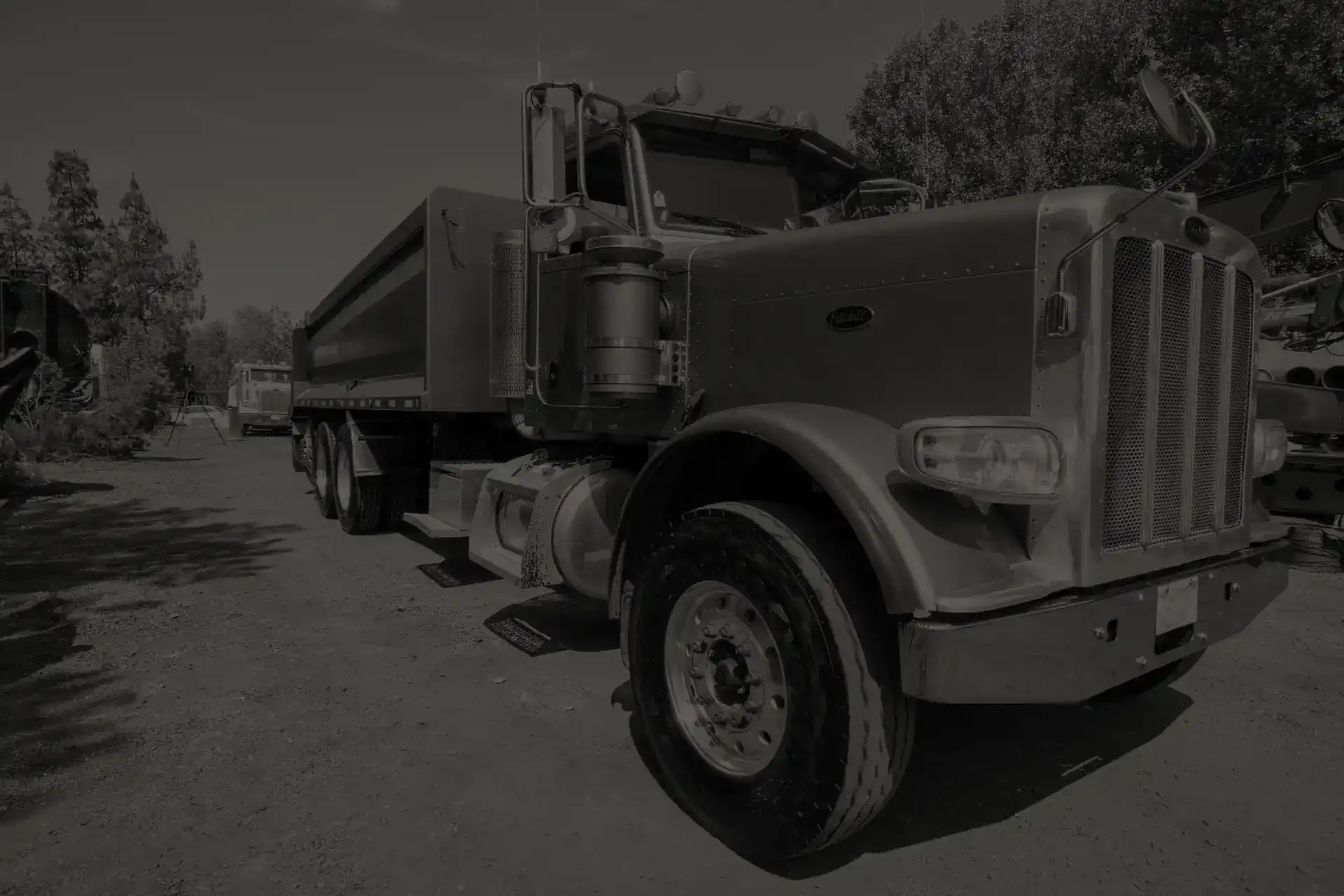
Commercial trucks are larger, heavier, and harder to stop than passenger vehicles. When a truck crash causes serious injuries, the type of truck, the location of the collision, and the companies involved can all affect how the case should be investigated.
Some truck cases require immediate preservation of electronic vehicle data, driver logs, dispatch records, maintenance history, delivery records, dash-cam video, or roadway evidence. Others may involve several companies connected to the driver, truck, trailer, cargo, route, or job site. The examples here explain some of the truck and commercial vehicle accident cases we handle in San Diego County.
Tractor-trailers, semi-trucks, big rigs, and 18-wheelers can cause devastating injuries when they collide with smaller vehicles. These crashes often happen on freeways, freight routes, and commercial corridors where large trucks operate close to passenger traffic. Semi-trucks are held to a different set of rules than regular cars.
Semi-truck cases may involve rules and records that do not apply in ordinary car accident claims, including commercial driver qualifications, hours-of-service records, electronic logging device data, inspection reports, maintenance history, dash-cam video, and company safety policies. Because some trucking records can be lost, overwritten, or destroyed during repairs, early evidence preservation is especially important after a serious crash.
San Diego County’s freeways carry heavy commercial truck traffic, including I-5, I-8, I-15, I-805, SR-52, SR-78, SR-94, and SR-905. Truck crashes on these roads may involve high speeds, multiple vehicles, unsafe lane changes, construction zones, sudden traffic slowdowns, or freeway interchange movements.
Freeway truck accident investigations may require quick action to preserve physical evidence, identify witnesses, obtain traffic camera footage, and review nearby business or dash-cam video. The location of the crash can also matter because it may determine whether Caltrans, a local agency, a contractor, or a private company has relevant records.
When a large truck collides with a car, SUV, pickup, or van, the people in the smaller vehicle often face the greatest risk of serious injury. These crashes may involve rear-end collisions, sideswipes, unsafe lane changes, jackknife events, wide turns, or trucks drifting out of their lane.
These cases often turn on details such as truck speed, braking distance, driver fatigue, blind spots, following distance, vehicle maintenance, and whether the trucking company followed safe scheduling, supervision, inspection, and training practices.
Underride crashes happen when a smaller vehicle slides under the side or rear of a trailer. Override crashes happen when a truck rides up over another vehicle, often during a rear-end collision. Both types of crashes can cause catastrophic or fatal injuries because of the size, weight, and height difference between the truck and the smaller vehicle.
Important evidence may include trailer guard condition, inspection records, maintenance history, crash reconstruction evidence, braking data, sight lines, and photographs of the vehicles before repairs, disposal, or salvage.
See our deeper guide on the different types of truck accidents in San Diego.
Truck crashes involving pedestrians and bicyclists are especially dangerous because there is little protection between the person and the vehicle. These collisions may happen near crosswalks, bike lanes, intersections, freeway ramps, port areas, downtown San Diego, the Embarcadero, and commercial delivery routes.
Visibility is often a central issue. Investigators may need to evaluate blind spots, turning movements, wide turns, mirrors, camera systems, driver training, company safety policies, and whether the truck was being operated safely around people walking or riding bikes.
Delivery trucks are now common throughout San Diego neighborhoods, business districts, apartment complexes, and commercial corridors. Crashes may involve Amazon delivery vehicles, UPS trucks, FedEx trucks, USPS vehicles, food delivery drivers, box trucks, vans, or other commercial vehicles.
These cases can be more complicated than they first appear. More than one company may be involved in the delivery process, and the driver’s employment status, route, schedule, vehicle ownership, maintenance records, app-based data, and insurance coverage may all matter.
Construction zones and work areas often bring dump trucks, concrete mixers, flatbeds, and tractor-trailers close to workers, drivers, pedestrians, and slowed traffic. Serious crashes can happen when trucks back up without proper precautions, enter or exit work areas unsafely, move through tight spaces, or fail to adjust for congestion and changing traffic patterns.
These cases may involve the truck driver, trucking company, general contractor, subcontractor, traffic-control company, property owner, or public agency. If the crash happened on a public roadway, state highway, or municipal project, shorter government-claim deadlines may apply, making early investigation especially important.
Hulburt Law Firm was founded by Conor and Leslie Hulburt to represent people and families in serious injury and wrongful death cases. The firm is selective about the cases it accepts so each client receives focused attention, careful preparation, and communication throughout the case.
Conor leads the firm’s legal strategy and litigation. He has recovered more than $150 million for clients in serious injury and wrongful death cases and has taken on major corporations, insurance companies, public entities, and national defense firms, including a $28.16 million jury verdict against Caltrans.
Together, Conor and Leslie bring a combination of trial experience, case preparation, and personal attention to clients facing the aftermath of serious truck and commercial vehicle crashes in San Diego County.

Our attorneys have a proven track record in serious injury and wrongful death cases, including truck, roadway, construction, automotive defect, and catastrophic injury matters.
Jury verdict against Caltrans for a 13-year-old boy who was hit by a car while using a dangerous crosswalk.
A sudden tire failure caused an SUV to fishtail and crash into a tree on the side of a San Diego County highway, killing a beloved husband and father.
A massive, improperly installed gate collapsed on a subcontracted worker who was asked by the general contractor to paint it, causing his tragic death.
A dump truck driver failed to "get out and look" before backing up into a construction worker, crushing his leg against a bulldozer.
A commercial truck driver drifted off the road and struck and killed a San Diego bicyclist lawfully riding on the shoulder.
A box truck driver fell asleep, drove across the Interstate 8 median divide, into oncoming traffic, and struck an RV, injuring the occupants.
In your free case review, we listen to how the crash happened, what injuries you’re dealing with, and what questions you and your family have. We look at any information you already have (such as police reports, photos, medical records, or insurance letters) and give an honest assessment of whether a truck accident claim makes sense under California law. This conversation is confidential and there’s no obligation to move forward.
If you decide to work with us and sign a representation agreement, we move quickly to investigate the crash and preserve critical evidence. In truck cases, that can include obtaining police and collision reports, photographing the scene and vehicles, interviewing witnesses, and sending preservation letters to keep “black box” data, electronic logging device (ELD) records, dash-cam video, and maintenance documents from being lost or overwritten. Acting early helps protect key evidence that can be essential later.
Next, we dig into the trucking side of the case. We work to obtain and review driver logs, hours-of-service records, dispatch notes, inspection and maintenance histories, driver qualification files, and company safety policies. We look for issues like driver fatigue, unsafe scheduling, inadequate training, poor supervision, and skipped inspections or repairs. When appropriate, we consult with trucking safety experts and accident reconstructionists to understand exactly how and why the collision occurred.
We work with clients, doctors, experts, and family members to understand the injuries, medical treatment, future care needs, lost income, pain, disability, and changes to daily life caused by the crash. At the same time, we identify all potentially responsible parties and available insurance coverage, which may include the driver, motor carrier, trailer owner, freight broker, shipper, maintenance provider, product manufacturer, or another company connected to the truck.
Once we have built the case, we take over communications with the insurance companies and defense lawyers so you don’t have to. We present the evidence of fault and damages, challenge attempts to shift blame onto you or minimize your injuries, and negotiate from a position informed by trucking regulations and industry standards. Throughout negotiations, we keep you updated, explain any settlement offers in plain language, and help you weigh the risks and benefits of settlement versus litigation.
If the trucking companies and insurers are not willing to resolve the case fairly, we are prepared to file a lawsuit and take your case to court. Litigation can involve written discovery, depositions of drivers and company representatives, motion practice, and, when necessary, preparing for trial. At trial, we work to tell your story using documents, expert testimony, and demonstrative exhibits to show how the crash happened, how safety rules were broken, and what the collision has meant for you and your family.
A serious truck accident case may involve state traffic laws, federal trucking safety rules, commercial insurance policies, and several companies connected to the truck, driver, trailer, cargo, or route. The overview below explains the basic legal issues that may matter after a serious truck accident in San Diego.
Truck drivers in California must use reasonable care and avoid putting others on the road at risk. Commercial drivers also have additional safety responsibilities because large trucks are heavier, harder to stop, and capable of causing catastrophic injuries.
Those responsibilities may include holding the proper commercial license, passing required medical evaluations, following hours-of-service rules, inspecting the truck, securing cargo, and complying with maintenance requirements. Trucking companies may also be responsible for hiring qualified drivers, providing proper training, supervising drivers, maintaining vehicles, and assigning routes or schedules that do not encourage unsafe driving.
When a truck driver or trucking company violates a safety rule and that violation contributes to a crash, the violation may become important evidence in a California truck accident claim.
California follows a comparative fault system. That means more than one person or company can share responsibility for a truck accident. A truck driver, trucking company, maintenance provider, loading company, contractor, public entity, or another driver may all be examined depending on how the crash happened.
Insurance companies may try to reduce what they owe by arguing that the injured person was partly responsible. In a truck accident case, it is important to investigate the facts carefully before accepting blame or relying on the trucking company’s version of events. Evidence such as vehicle data, driver logs, dash-cam video, witness statements, roadway evidence, and company records may help show what actually caused the crash.
Truck accident liability often extends beyond the driver. A serious crash may involve several companies connected to the truck, trailer, cargo, route, repair history, or job site. Identifying every responsible party is important because serious truck accident cases may involve multiple insurance policies, corporate defendants, and overlapping safety responsibilities.
Potentially responsible parties may include:
Because truck cases can involve multiple companies and insurance policies, identifying all potentially liable parties is a critical part of the investigation. See our deeper guide on who can be liable after a truck accident.
Commercial trucks are subject to federal safety rules that do not apply to ordinary passenger vehicles. These rules address issues such as driver qualifications, medical fitness, hours of service, electronic logging devices, vehicle inspections, maintenance, and cargo securement.
In a truck accident case, those rules can help show what should have happened before the crash. Records may reveal whether the driver had been on the road too long, whether the truck was properly inspected, whether needed repairs were ignored, whether cargo was secured safely, or whether the trucking company placed unsafe pressure on the driver or route.
When a federal trucking safety rule is violated and that violation contributes to a crash, it may become important evidence of fault. That is why preserving driver logs, electronic data, inspection reports, maintenance records, dispatch information, and company safety documents can be so important after a serious truck accident.
See our resources on the FMCSA trucking rules and how they apply in a trucking lawsuit.
Truck accident cases often involve larger and more complex insurance policies than ordinary car accident claims. A commercial truck may have coverage through the driver, motor carrier, trailer owner, shipper, broker, maintenance company, or another business connected to the trip.
Identifying every available layer of insurance is an important part of a serious truck accident case. This is especially true when the crash causes surgery, permanent disability, traumatic brain injury, spinal injury, severe fractures, burns, or wrongful death. In those cases, the investigation should not stop with the first insurance policy that appears to apply.
See our article on insurance coverage for truck accidents in San Diego for a deeper discussion.
The damages in a truck accident case depend on the injuries, the medical treatment, the long-term effects of the crash, and how the collision changes the injured person’s life. In serious cases, damages may include emergency care, hospitalization, surgery, rehabilitation, future medical treatment, lost income, reduced earning capacity, pain, physical limitations, emotional distress, and loss of enjoyment of life.
When a truck accident causes permanent disability, brain injury, spinal injury, severe fractures, burns, or wrongful death, it is important to understand both the immediate losses and the future harms. That may require input from doctors, life-care planners, economists, vocational experts, family members, and others who can help explain the full impact of the crash.
For more information about specific items of damages (like economic and non-economic damages), see our resource on compensation available for truck accident victims.
California truck accident cases are subject to strict deadlines. In many personal injury cases, the general statute of limitations is two years from the date of injury. But shorter deadlines may apply if the crash involved a public entity, government vehicle, public roadway, construction project, or dangerous condition of public property.
Claims involving government entities often require a written government claim within six months. Missing that deadline can affect the right to bring a lawsuit, even when the injuries are serious and the fault appears clear. To see how these deadlines may apply, try our California civil litigation deadline calculator.
Truck accident cases also have practical evidence deadlines. Electronic vehicle data, driver logs, dash-cam video, inspection records, dispatch information, maintenance documents, and physical evidence can be lost, overwritten, repaired, or destroyed. Speaking with an attorney early can help protect both the legal claim and the evidence needed to prove what happened.
For a walk-through of what happens once a lawsuit is filed, see our resource on the litigation process for truck accident lawsuits in San Diego.
We investigate the crash scene, vehicle damage, witnesses, trucking records, electronic data, maintenance history, and company safety practices.
Truck cases often involve digital evidence, expert analysis, and visual presentation. We use technology to make complex evidence clear.
Truck cases may involve multiple companies and insurance policies. We look beyond the driver to identify all responsible parties and available coverage.
Hulburt Law Firm focuses on serious injury and wrongful death cases involving truck accidents, dangerous roads, construction accidents, vehicle defects, and catastrophic injuries.
A truck crash can overwhelm a person. We keep clients informed and take the time to understand how the crash has affected their life and future.
Get medical care first. If you are able, report the crash, take photos, get witness information, and avoid giving detailed statements to the trucking company or its insurer before you understand your rights. Truck accident evidence can disappear quickly, so it is also important to speak with an attorney as soon as practical.
Discover our investigation process for truck accidents in San Diego to learn more.
You may have a truck accident case if another person or company was careless and that conduct contributed to the crash and your injuries. That may include unsafe driving, fatigue, speeding, distraction, poor maintenance, improper loading, or a violation of trucking safety rules.
A case may be worth reviewing if you needed medical care, missed work, suffered serious pain, or your daily life has been disrupted. An attorney can review the facts and explain whether a claim may make sense under California law.
The compensation available depends on the facts of the crash, the severity of the injuries, and the insurance coverage available. In many California truck accident cases, damages may include medical bills, future care, lost income, reduced earning capacity, pain and suffering, property damage, and long-term care needs.
If a truck crash causes a death, eligible family members may also be able to bring a wrongful death claim. In rare cases involving extreme misconduct, punitive damages may be considered.
The value of a truck accident case depends on the severity of the injuries, medical needs, lost income, long-term limitations, available insurance, and how clearly fault can be proven. There is no reliable “average” settlement because truck cases can range widely depending on the facts. Our guide to injuries in truck accidents discusses some of the more common truck accident injuries we see.
Serious truck accident cases may involve multiple defendants and several layers of insurance. Identifying every responsible party and preserving the right evidence can have a major impact on the value of the claim.
If a family member was killed in a truck crash, certain relatives may have the right to bring wrongful death and related survival claims under California law. Wrongful death claims seek compensation for the family’s losses—such as loss of financial support, household services, and the loss of the person’s love, companionship, and guidance. Survival claims seek compensation on behalf of the estate for harms the person suffered before death, such as medical expenses and, in some cases, punitive damages.
Important evidence may include the police report, crash scene photos, witness statements, electronic vehicle data, driver logs, dash-cam video, inspection records, maintenance history, dispatch records, company safety policies, and insurance information.
Some trucking evidence can be lost, overwritten, or repaired. That is why evidence-preservation letters and early investigation can matter in serious truck accident cases.
There is no single timeline for a truck accident case. Some claims settle within several months once fault is reasonably clear and your medical condition is better understood. Others—especially those involving severe injuries, multiple defendants, disputed liability, or complex corporate structures—can take a year or more and may require filing a lawsuit and preparing for trial. Factors include how long it takes you to reach a stable point in your recovery, how cooperative insurers are, and the court’s schedule if litigation is necessary. A lawyer can give you a better sense of timing after learning the details of your case.
Truck crashes often result from a combination of factors. Common causes include:
A key part of any truck accident case is determining which of these factors contributed and who had the responsibility to prevent them.
Learn more about the most common truck accident types in San Diego.
Often, yes. California follows pure comparative negligence, which means you can usually pursue compensation even if you share some responsibility for the collision. Any recovery is reduced by your percentage of fault. For example, if you are found 20% at fault and your total damages are $100,000, your net recovery could be $80,000.
Insurance companies may try to assign more blame to you to pay less, so careful investigation and advocacy are important. A truck accident lawyer can help challenge unfair fault allocations and present evidence that accurately reflects what happened.
Truck crashes in San Diego County often happen on major freight routes, freeway interchanges, port corridors, border routes, and areas with heavy construction or delivery traffic. Common locations include I-5, I-8, I-15, I-805, SR-52, SR-78, SR-94, and SR-905, as well as commercial areas near the Port of San Diego, Otay Mesa, Miramar, National City, and South Bay.
These crashes may involve semi-trucks, box trucks, delivery vans, construction vehicles, or other commercial vehicles. The location of the crash can matter because it may affect what evidence is available, which companies were involved, and whether traffic cameras, port records, delivery logs, or other local records need to be preserved quickly.
You are not required to hire a lawyer, but truck accident cases often involve multiple companies, commercial insurance policies, trucking safety rules, and evidence that must be preserved quickly. A lawyer can investigate the crash, identify responsible parties, work with experts, handle insurance communications, and prepare the case for settlement or trial.
Truck accident cases are handled on a contingency fee basis. That means there is no attorney fee unless we recover compensation for you. The initial case review is free.
Hulburt Law Firm proudly serves truck accident victims throughout San Diego County, including San Diego, Chula Vista, National City, La Mesa, El Cajon, Santee, Poway, Escondido, Oceanside, Carlsbad, Encinitas, and surrounding communities.

Simply fill out the form or call 619.821.0500 to receive a free case review. We’ll evaluate what happened, your injuries, and potential defendants to determine how we can best help you.